
Will County Jail Faces Major Staffing Crisis as 70 Employees Eligible to Retire by 2030
County officials warn of potential budget impact as adult detention facility grapples with unprecedented turnover
Will County’s adult detention facility is heading toward a staffing crisis that could significantly impact county finances and jail operations, according to testimony presented to the Public Health & Safety Committee on June 5.
Chief Deputy Dave Adams warned committee members that 21 correctional deputies will become eligible for retirement by the end of 2025, with an additional 49 eligible by 2030 – representing 70 total potential retirees in the next five years.
“We kind of have to set the standard for correctional deputies in this area because we really don’t know if the other county jails are in the same predicament that we’re in,” Adams told the committee.
The warning comes as Will County continues contract negotiations with the correctional deputies union. Adams noted that recent salary increases approved by the county board have helped with hiring, but maintaining competitive wages remains challenging as other counties also increase their compensation packages.
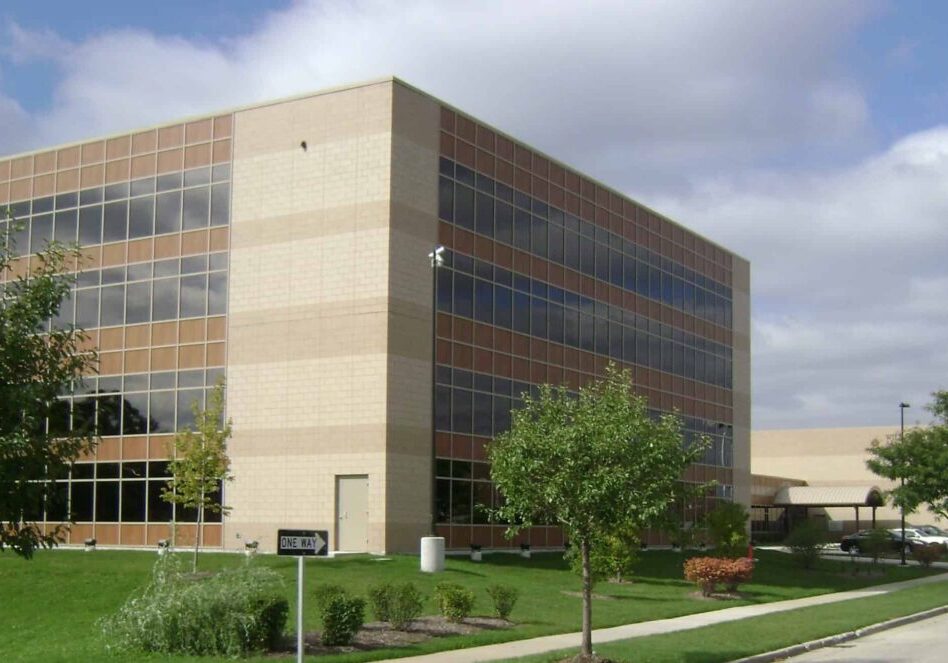
The adult detention facility, built in 1988 and expanded in 2008, currently operates with direct supervision philosophy, housing approximately 50 inmates per housing unit with one officer. Adams explained that unlike patrol divisions, the jail cannot operate with reduced staffing due to safety requirements and minimum staffing mandates.
Committee Chairman Daniel Butler indicated the staffing concerns should be forwarded to the county’s Finance Committee for budget discussions. “I think we really need to bring Dave back to have further discussion on employment and salaries at finance,” Butler said.
Adams reported that the facility came in $155,000 under its original $51.6 million budget in 2024, demonstrating fiscal responsibility despite operational challenges. The facility is accredited by both the American Corrections Association and the National Commission on Correctional Healthcare – distinctions held by only four adult detention facilities in Illinois.
2024 Jail Operations by the Numbers
The adult detention facility’s 2024 financial performance showed mixed results across revenue streams. While the facility generated nearly $200,000 in miscellaneous revenues, it fell short of budgeted expectations in several categories.
Key revenue sources included $72,500 in corrections academy training reimbursements from the state and $112,179 in federal Department of Justice grants for housing criminal aliens. However, the facility collected no inmate medical fees despite budgeting $15,000 for such collections.
Adams highlighted recent changes that will impact future budgets, particularly new Federal Communications Commission rules prohibiting jails from generating revenue from inmate communications. Currently, revenue from inmate phone calls and commissary purchases funds programs like the Center for Correctional Concerns, which provides counseling, anger management, and substance abuse programs.
“The FCC has ruled that the companies that provide the services for the inmates can still generate revenues and make a profit, but the counties and states can no longer have any funds out of that,” Adams explained. This change will shift the financial burden of inmate programs from inmates to taxpayers unless services are reduced.
The facility also faces evolving challenges in its inmate population. Adams noted that due to recent legislation, particularly the SAFE-T Act, the jail now houses a more concentrated population of violent and dangerous inmates, with fewer low-level offenders like those arrested for DUIs or domestic battery.
“The numbers that we have are much more difficult to manage than if we’d have had that same number 10 years ago,” Adams said, adding that attacks on staff continue to increase, particularly from inmates with mental health issues.
Currently, 151 custodies have been housed in the facility for more than a year, highlighting the complex nature of cases and court processing times affecting jail operations.


Partly Sunny then Chance Showers And Thunderstorms
Latest News Stories

TVA to keep two coal-fired power plants operating indefinitely

Lawmakers probe nationwide child care fraud

WATCH: Attorney cites positive impact of corruption trials 1 year after Madigan conviction

Illinois Quick Hits: $10M scheme alleged in heath care fraud case

GOP governor candidate Heidner wants Illinois to ‘make,’ not ‘take’

Op-Ed: If Illinois wants clean energy, it needs data centers

Illinois senator’s bill on transgender ‘mental illness’ sparks debate

Lawmaker says Illinois behind 44 states in legislative transparency

Illinois Quick Hits: Foreign national faces harboring, forced labor charges

Meeting Summary and Briefs: Legislative Committee for February 3, 2026

Village to Revise Noise Ordinance Following Trucking Complaints
Health & Safety Committee: Opioid Overdose Deaths Drop to Zero in January as Behavioral Health Department Expands Role


