JJC’s ‘12x12x12’ Initiative Boosts College Credits, Increases Matriculation Rate
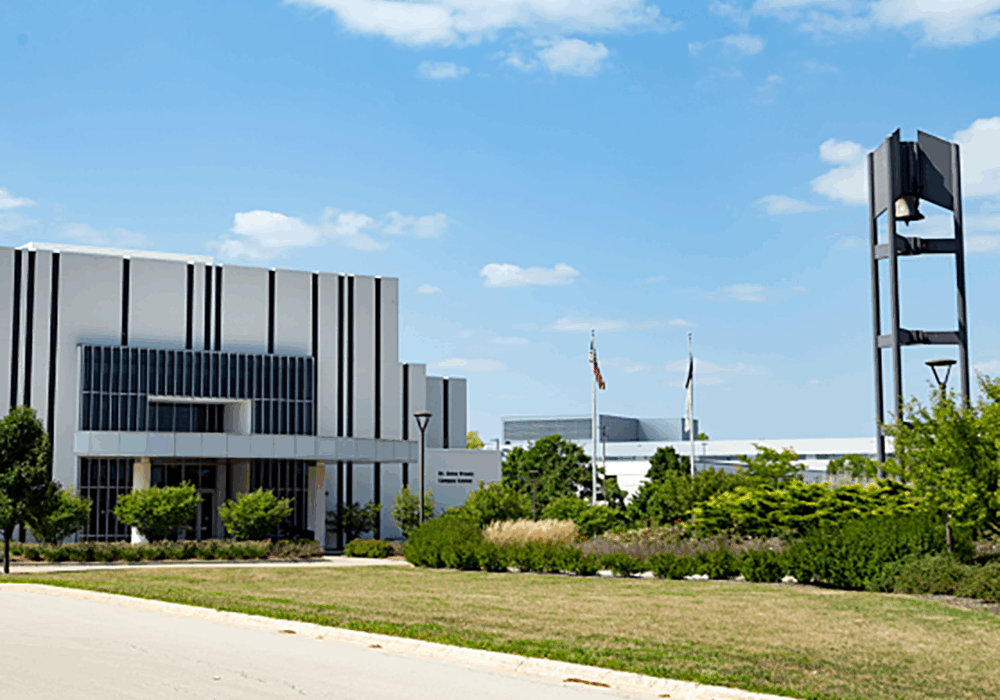
Joliet Junior College’s ambitious “12x12x12” initiative is yielding significant results, leading to more high school students earning college credits and a greater percentage of them choosing to attend JJC after graduation, according to a report presented by President Dr. Clyne Namuo at Wednesday’s Board of Trustees meeting.
The program, launched two years ago, challenges the nearly 40,000 high school students in the college’s district to earn 12 college credits by the end of 12th grade for just $12 per credit hour. Dr. Namuo presented data showing the program has successfully advanced its primary goals of strengthening relationships with local school districts, enhancing the dual credit structure, and increasing matriculation rates.
“My hope is by the end of this presentation you too will feel not only a sense of ownership but a sense of pride as to the impact that we all have had,” Dr. Namuo told the board.
According to the data, student participation in dual credit has grown steadily. Before the initiative, 4,690 students, or 12% of the region’s high school population, were enrolled in dual credit courses. Today, that number has climbed to 5,781 students, representing 15% of the total population.
The impact extends beyond just participation. The number of credit hours taken by high school students has increased by 45% over the last four semesters. This means students are arriving at college better prepared. Historically, an incoming JJC freshman who had taken dual credit courses arrived with an average of six credit hours. That number has now risen to nearly eight credits per student.
Perhaps the most significant outcome has been the impact on JJC’s enrollment. The college has seen a notable increase in its “yield rate”—the percentage of local high school graduates who choose to enroll at JJC.
Despite a demographic shift resulting in fewer high school seniors overall, JJC’s capture rate has grown. After hovering around 16-17% historically, the yield rate jumped to 20% in 2023, the first full year of the initiative, and remained strong at 19% for the current year. Nearly 1,800 recent high school graduates now choose JJC, a direct result of the program’s success.
Dr. Namuo credited a partnership with the JJC Foundation as a key driver of this growth. Two years ago, the Foundation’s board committed half a million dollars to create a scholarship for students who completed the 12 credits in high school and then chose to attend JJC.
“This academic year, nearly 200 additional students took advantage of that scholarship and chose to come to JJC,” Dr. Namuo said, extending his gratitude to the foundation and its executive director, Kristi Mulvey.
Trustee Maureen Broderick inquired about expanding course offerings and creating more defined career pathways for students, noting a demand from local high schools. Dr. Namuo responded that the college is continually working with its faculty and district partners to expand options, but praised the program’s flexibility, which allows local superintendents to determine which 12 credits best suit their students.
Dr. Namuo concluded by positioning JJC as a statewide and national leader in the dual credit space, a status built on the collaborative efforts of the board, college leadership, faculty, and local school districts.


Partly Sunny then Chance Showers And Thunderstorms
Latest News Stories

Sultan in Epstein files resigns, global turmoil continues

Temporary protected status terminated for Yemen nationals

Advocates argue new data center restrictions might close Illinois market

Illinois advocates urge senate action on SAVE Act

Ford returning to the Middle East as tensions rise with Iran

Lemon faces federal arraignment today in St. Paul church protest case

Senate GOP wants companies funding lawsuits to be revealed

Election 2026: Cooper social post is now you see it, now you don’t

Illinois Quick Hits: Chicago mugging captured on video

January inflation cools to 2.4%, lowest since May

McCuskey praises federal rollback of Endangerment Finding
Assessor Reports Increase in Senior Exemption Income Limits