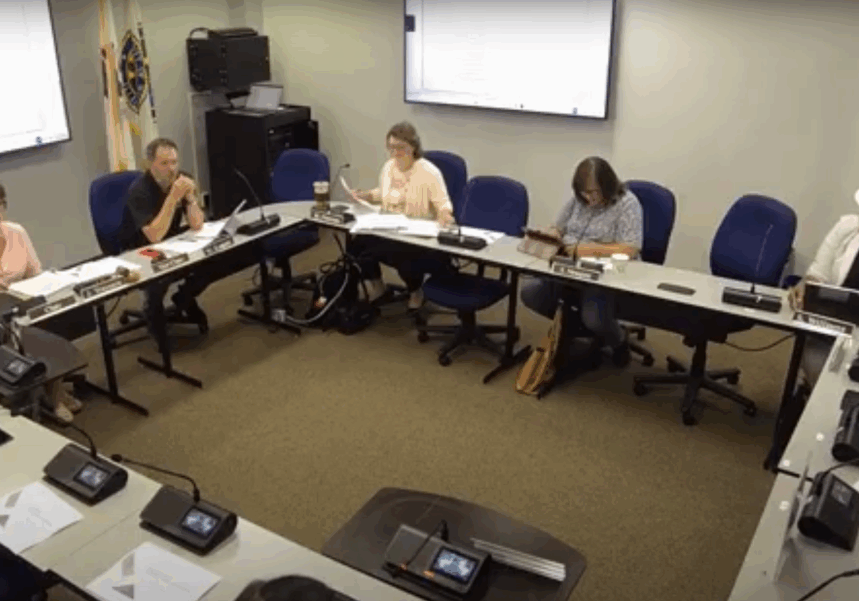
Finance Officials Clarify How Will County Tracks Assets, From Vehicles to Desks
Will County finance officials on Tuesday detailed the policies governing how the county tracks its physical and digital assets, explaining the $5,000 threshold for items that are formally capitalized and the separate process for managing less expensive goods.
Karen Hennessy, the county’s finance director, and Emily Perkins, the assistant finance director, presented to the Ad-Hoc Ordinance Review Committee to clarify the long-standing rules. Hennessy explained that the county follows standards set by the Government Finance Officers Association (GFOA), which recommends a capitalization threshold of no less than $5,000 per item.
“The time spent managing things under $5,000, there’s no benefit to it,” Hennessy said.
Items purchased for $5,000 or more, such as vehicles or heavy machinery, are considered capital assets. They are formally inventoried, assigned a “useful life,” and depreciated on the county’s books annually.
Responding to questions about large furniture purchases that cost well over $5,000 in total, Hennessy clarified that assets are treated individually. “Ten chairs are not lumped together as an expense. They’re looked at individually,” she said. “They don’t have to be together to work.”
Items costing between $1,000 and $5,000 are categorized as “minor assets.” While they are not depreciated, they are inventoried and tracked at the department level, particularly if they are “sensitive” items like weapons, laptops, or power tools. The finance department provides departments with lists and tags, but the day-to-day management is handled internally.
Hennessy noted that one area for potential improvement could be creating a more standardized, county-wide definition of what constitutes a “sensitive” asset to ensure consistent tracking across all departments.


Chance Showers And Thunderstorms
Latest News Stories
Illinois Quick Hits: OIG recommends firing 5 employees

Executive Committee Advances Dissolution of Southeast Joliet Sanitary District

Township Secures Mental Health Funding Reimbursement; Supervisor Addresses Check Fraud Issue

Meeting Summary and Briefs: Will County Board Legislative Committee for January 6, 2026
Beecher School Board Approves $283,000 Elementary Window Project and New Bus

Firms team up with states to scrutinize health care spending

St. Paul students marked absent after protests against ICE

Poll: Trump’s approval rating falls 16% in Arizona
SCOTUS to consider second election law case

Medical device manufacturer invests $110M to expand Nebraska plant, boost drug supply
WATCH: U.S.ambassadors stress Greenland’s importance

Chicago council considers ‘not a tax’ surcharge on hotels