U.S. farm bill drops, outlines 5-year funding
The U.S. House Agriculture Committee dropped the text of the U.S. farm bill Friday, an 802-page package authorizing various nutrition, rural development and farm support programs.
The Farm, Food, and National Security Act of 2026 renews and enhances crop insurance and price support, disaster assistance, risk management programs, operation and marketing loans, and federal agricultural research.
It also outlines investments in rural broadband connectivity, forest management, water infrastructure, and hospital assistance, as well as the Rural Energy for America Program (REAP).
Committee Chair Glenn Thompson, R-Pa., called the bill, still in draft form, “long overdue” and said the committee will begin marking it up Feb. 23.
“This bill provides modern policies for modern challenges and is shaped by years of listening to the needs of farmers, ranchers, and rural Americans,” Thompson said in a statement. “The farm bill affects our entire country, regardless of whether you live on a farm, and I look forward to seeing my colleagues in Congress work together to get this critical legislation across the finish line.”
Although Congress is supposed to pass a new farm bill every five years, the most recent farm bill passed in 2018. If passed, the newly introduced farm bill would last through fiscal year 2031.
Some Democratic lawmakers, however, have already come out against the bill. Provisions in the bill that many Democrats oppose include limiting federal investments into solar projects located on forest or prime farmland, and loosening restrictions on PFAS chemicals and pesticides.
While the legislation also includes many bipartisan policies – such as establishing a new three-year rural childcare initiative – it “fails to meet the moment,” according to committee Ranking Member Angie Craig, D-Minn., said.
“Farmers need Congress to act swiftly to end inflationary tariffs, stabilize trade relationships, expand domestic market opportunities like year-round E15 and help lower input costs,” Craig argued. “The Republican majority instead chose to ignore Democratic priorities and focus on pushing a shell of a farm bill with poison pills that complicates if not derails chances of getting anything done.”






Chance Showers And Thunderstorms
Latest News Stories
Will County Public Works Committee Unveils 25-Year Transportation Plan, Projects $258 Million Gap
Will County Animal Protection Services Seeks New Facility Amid “Gaping Wound” of Space Crisis
Board Confronts Animal Services Crowding, Explores Future Facility Options
Will County Board Members Demand Transparency in Cannabis Tax Fund Allocation
Homer Glenn Residents Push Back on 143rd Street Widening as Officials Signal “Tentative Agreement”
Will County Forges 2026 Federal Agenda Amid D.C. Policy Shifts, ‘Big Beautiful Bill’ Impacts
Health Department Seeks $1 Million Levy Increase to Prevent “Weakened System”
County Rolls Out New “OneMeeting” Software to Improve Public Access

Meeting Summary and Briefs: Will County Board Finance Committee for August 5, 2025
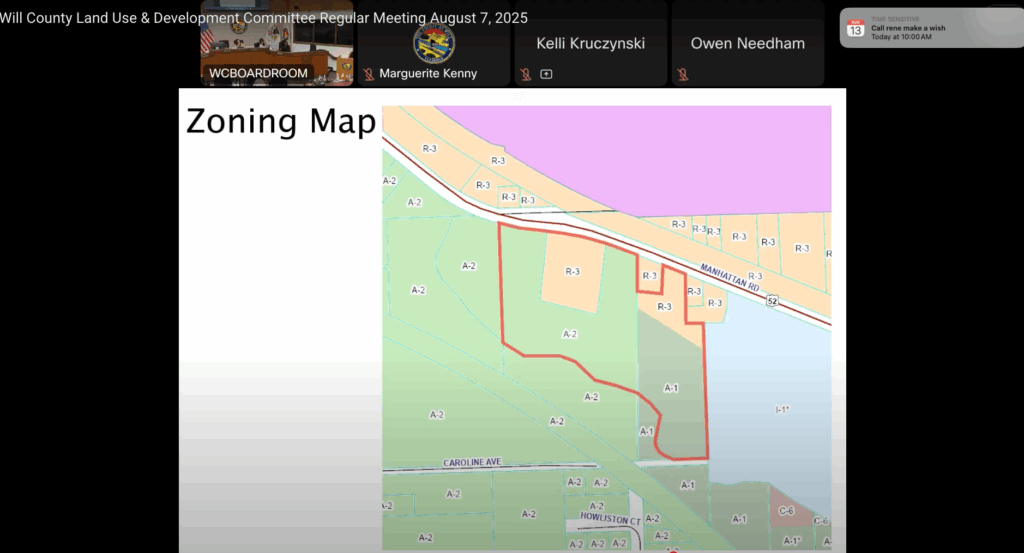
Will County PZC Approves Rezoning for Truck Repair Facility on Manhattan Road Amid Resident Concerns
Key Stretch of Bell Road on Track for Thanksgiving Reopening, Committee Approves Additional Funds
Will County Leglislative Committee Opposes Federal Push for Heavier, Longer Trucks
Will County Reports Progress in Opioid Fight, Highlights New FDA Labeling Rules