

U.S. Supreme Court rules against automatic prison release punishments
The U.S. Supreme Court, in an 8-1 decision, decided an individual on supervised release is not automatically extended when that person absconds from their release.
The case, Rico v. US, focuses on Isabel Rico who absconded her supervised release while she was on probation after being detained in federal prison. During her probation period, Rico was convicted of a state drug offense.
A judge charged her with time in prison and several months of supervised release.
Justices on the court said Rico cannot be automatically considered for an extension of supervised release just because she violated her previous release.
“The government seeks not a rule that stops the clock or ensures a defendant takes no advantage of abscondment, but one that imposes new punishment by automatically extending supervised release,” Justice Neil Gorsuch wrote in the court’s majority opinion.
The justices argued that the Sentencing Reform Act protects Rico from automatic additional punishment, even though she absconded her supervised release.
In 1984, Congress passed the Sentencing Reform Act, which created mandatory uniform national guidelines to increase transparency and unity in federal sentencing practices.
“The Act already provides many ways to ensure defendants do not profit from violations without automatically extending the period beyond what a judge ordered,” Gorsuch wrote.
Justice Samuel Alito provided the lone dissenting opinion. He argued the Sentencing Reform Act was used by the judge to determine Rico’s punishment after she absconded supervised release.
“It seems strange to regard a crime committed after the expiration of “unsupervised supervised release” as a non-event,” Alito wrote. “By that logic, if petitioner had gone on a murder spree after the expiration of the period of unsupervised supervised release, the sentencing judge would have been required to put that out of his mind.”






Chance Showers And Thunderstorms then Slight Chance Showers And Thunderstorms
Latest News Stories
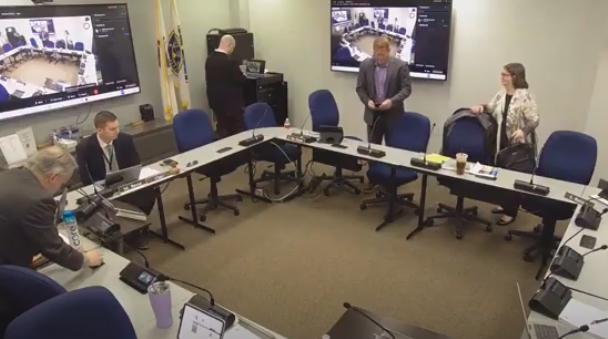
Contracts Awarded for LED Signal Upgrades and Guardrail Maintenance
BRIEFS: Will County Public Works Projects
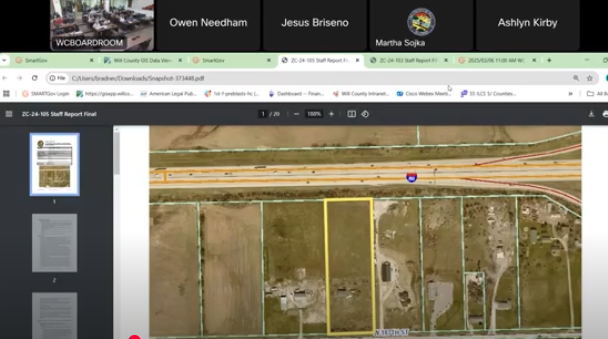
County Approves Two Solar Energy Projects, Committee Discusses Zoning Challenges
Committee Debates Easing Size Restrictions on Accessory Dwelling Units
“Tiny Homes” Status Creates Regulatory Confusion for County Officials
County Officials Begin Exploring Regulations for Small Modular Nuclear Reactors
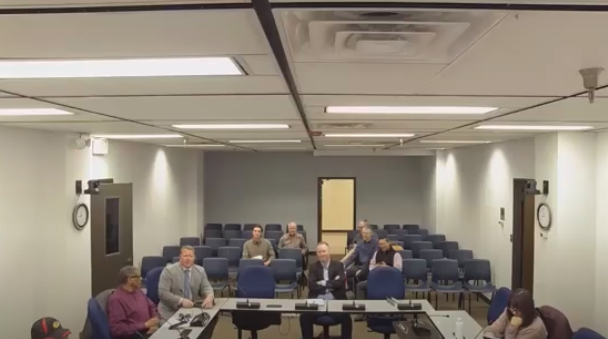
Will County Land Use News Briefs
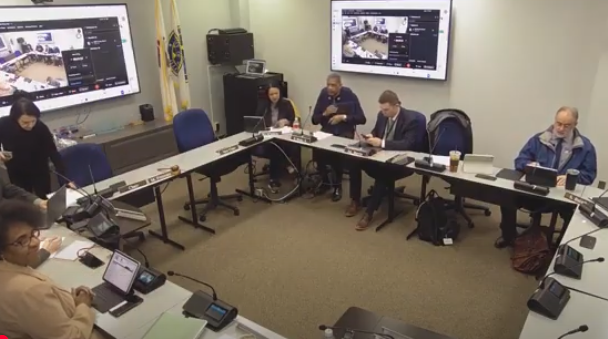
County Moves Forward with Veterans Building Renovations, Questions Arise on Pace Building Plans
County Continues Efforts to Reduce Leased Office Space Footprint
County Reports Significant Cost Savings Through In-House Facility Projects
County Legislative Committee Endorses Electronic Recycling Bill, Reviews Transit Governance
Will County Capital Improvements News Briefs
County Finance Committee Advances Proposal for Elected Official Pay Raises After 20-Year Freeze
Will County Committee Debates Process for Taking Positions on State Legislation