Lawyers’ ‘misleading statements’ hang cloud over college finaid class action
A federal judge won’t stop a class action alleging some of the country’s top higher education institutions colluded when awarding financial aid — but said they’ll have to replace their chosen class counsel because the original firm has been accused of its own misconduct, including unethical billing practices.
The class action originated in 2022 when 10 named student plaintiffs sued 17 private universities, accusing them of violating federal antitrust laws. Defendants included Johns Hopkins University, Northwestern, the University of Chicago, Vanderbilt, Brown, Emory, Yale, California Institute of Technology, Columbia, Cornell, Dartmouth, Duke, Georgetown, Massachusetts Institute of Technology, Notre Dame, Penn and Rice.
The allegations center on institutional membership in the 568 Group, a university consortium that developed common standards for determining the ability to pay for colleges known as the Consensus Methodology. The alleged benefit for the schools was reducing competition over incoming students. But the result was those students allegedly paid more than they otherwise would have had the universities crafted distinct financial aid packages.
U.S. District Judge Matthew Kennelly first rejected a motion to dismiss the complaint in August 2022. The University of Chicago was the first institution to reach a settlement in August 2023, and 11 other schools have agreed to deals worth a combined total of about $319 million. Meanwhile, Kennelly has also denied the remaining schools’ motion for summary judgment as well as a similar motion from the plaintiffs on an affirmative defense.
With discovery complete, the plaintiffs asked Kennelly to certify the class. In an opinion filed March 31 he said the plaintiffs “satisfied all of the requirements for class certification, save one: adequacy of counsel.”
The plaintiffs proposed three firms collectively shepherd the class action: Freedman Normand Friedland, of New York; Berger Montague, with offices in Philadelphia, Chicago and Washington, D.C.; and Gilbert Litigators and Counselors, also of New York.
Kennelly said the schools’ original response brief to the certification motion didn’t address adequacy, but “information came to light regarding alleged ethical breaches.” At issue, he continued, are settlements with Johns Hopkins and Cal Tech totaling $35.25 million. As with prior settlements, the firms sought a one-third fee award.
“Counsels’ motion also stated that class counsel had incurred a total of $2,441,739 in ‘unreimbursed litigation expenses’ through February 2025,” Kennelly wrote, a figure he said wasn’t accurate with respect to Gilbert. He took similar issue with a statement that all three firms took on risks “with no guarantee of any return for those material investments.”
Issues surfaced in June 2025. Right before a final approval hearing on the two settlements, Peter Bach-y-Rita, a Freedman associate, sent Kennelly a letter claiming to be “the attorney who conceived, developed and originated this case” and raising ethics concerns, particularly related to the Illinois Rules of Professional Conduct. Despite contentions among the attorneys involved, Kennelly orally approved the Cal Tech settlement — notably without any guidance on splitting fees among the firms — but near the end of that hearing Bach-y-Rita alleged fraud in the form of inflated billing records.
On July 1, the schools that hadn’t moved for settlement filed for discovery on the allegations. Kennelly initially noted attorney misconduct generally only impacts certification if the behavior would prejudice the class or jeopardize the integrity of the judicial process. He ultimately gave Bach-y-Rita three weeks to file a statement detailing his contentions. He did, alleging concerns about Gilbert’s reported rates, hours and lodestar went back to October 2023 before the initial round of settlement approvals.
Bach-y-Rita testified before Kennelly in August and produced emails to bolster his version of events, including his firm and Berger expressing concerns that Gilbert’s requested payouts might render the overall dollar amount unreasonable. Also that day, defense lawyers summarized the allegations as Gilbert intentionally generating work so the firm could reap a larger share of the ultimate fee award and further implied the defendant schools had been concerned about this possibility earlier in the litigation.
Kennelly detailed the ensuing procedural history leading to his request to access Gilbert’s agreements with litigation funders and determination the other two firms didn’t have “arrangements under which some part of their fees was funded as the litigation progressed.” He quoted himself from a March 2026 hearing at which he asked: “How can you say that your work was performed on a contingent basis when you were getting paid up to $14 million for your work?”
At the same hearing, the other firms highlighted the importance of the results obtained for the class thus far and said any misconduct was unintentional and didn’t call into question loyalty or ability to represent the plaintiffs. Still, the plaintiffs later modified their certification request to drop Gilbert, but the defendant schools argued the remaining firms had a hand in the alleged misrepresentations, “which they did for their own benefit and to the detriment of the proposed class.”
They further argued removing Gilbert as one of the firms might have no bearing on any contractual award-sharing obligations among the three, improperly permitting it to profit. Kennelly granted the motion to amend the certification request, but said that alone isn’t “sufficient to remedy the problem caused by counsels’ inappropriate conduct. Nor, however, does the court agree with defendants’ contention that the court should simply deny class certification and proceed on an individual basis.”
He then framed the chief issue as candor, writing that “the real concern here is not overinvolvement of senior attorneys, inappropriate allocation of work, or even hourly rates. In the court’s view, the most significant issue — which did not emerge right away — arises from litigation funding arrangement, in particular the representations to the court claiming that (Gilbert’s) work was done on a ‘contingent’ or ‘wholly contingent’ basis and that its expense outlays were ‘unreimbursed.’ ”
Kennelly stressed he had no problem with the involvement of a litigation financier or the terms of that deal, nor was there an affirmative obligation to disclose any such agreements. However, he found the existence of “untruthful and misleading statements” about the situation to be disqualifying.
“Words matter, and context matters,” Kennelly wrote. “The statements by Gilbert would have misled any reasonable reader to believe that, at the time (the firm’s) work was performed, it risked total nonpayment for its work. The truth is that it didn’t. If the case had been dismissed that day, Gilbert would have walked away with the funder’s millions in hand.”
Kennelly also agreed the other firms shouldn’t have affirmatively adopted submissions including statements they knew to be false, even if those statements were about a different law firm. He said he suspected those firms could’ve told Gilbert they would not sign off on those documents and, if so, “the court would have been told the straight story and would not have been forced onto this extended detour. But none of that happened.”
Although Kennelly said his review of the proceedings and underlying math led to the conclusion the awards requests remained reasonable, the candor concern remained supreme. But he also explained the importance of preserving the litigation class, especially in light of a settlement class of more than 74,000 people who have submitted claims for their share of a $220 million fund. He found it improper to give the defendants a “windfall” by outright denying certification.
It is unlikely the remaining five schools will settle, Kennelly said, and “the putative class risks being seriously harmed if current counsel are removed completely.” He said he would consider a new firm as lead counsel while retaining Freedman and Berger as co-counsel as sufficient to warrant certification and gave the plaintiffs three weeks to propose new representation.





Slight Chance Showers And Thunderstorms
Latest News Stories
County Approves School Resource Officer, Multi-Year Planning Requirements
County Addresses Senior Tax Exemption Processing Error

Executive Committee Meeting July 10 Meeting Briefs

Beecher School Board Begins Overhaul of District Goals, Focusing on Transparency, Inclusivity, and Student Success

Beecher School Board Finalizes Policy Updates, Approves New Student Handbook
District Modifies Janitorial Contract, Saving Money by Bringing Junior High In-House
Meeting Summary and Briefs: Beecher Board of Education for July 9, 2025

Washington Township to Reduce Office Hours in Summer Trial
Washington Township Opts for $1,050 AC Repair Over $10,200 Replacement
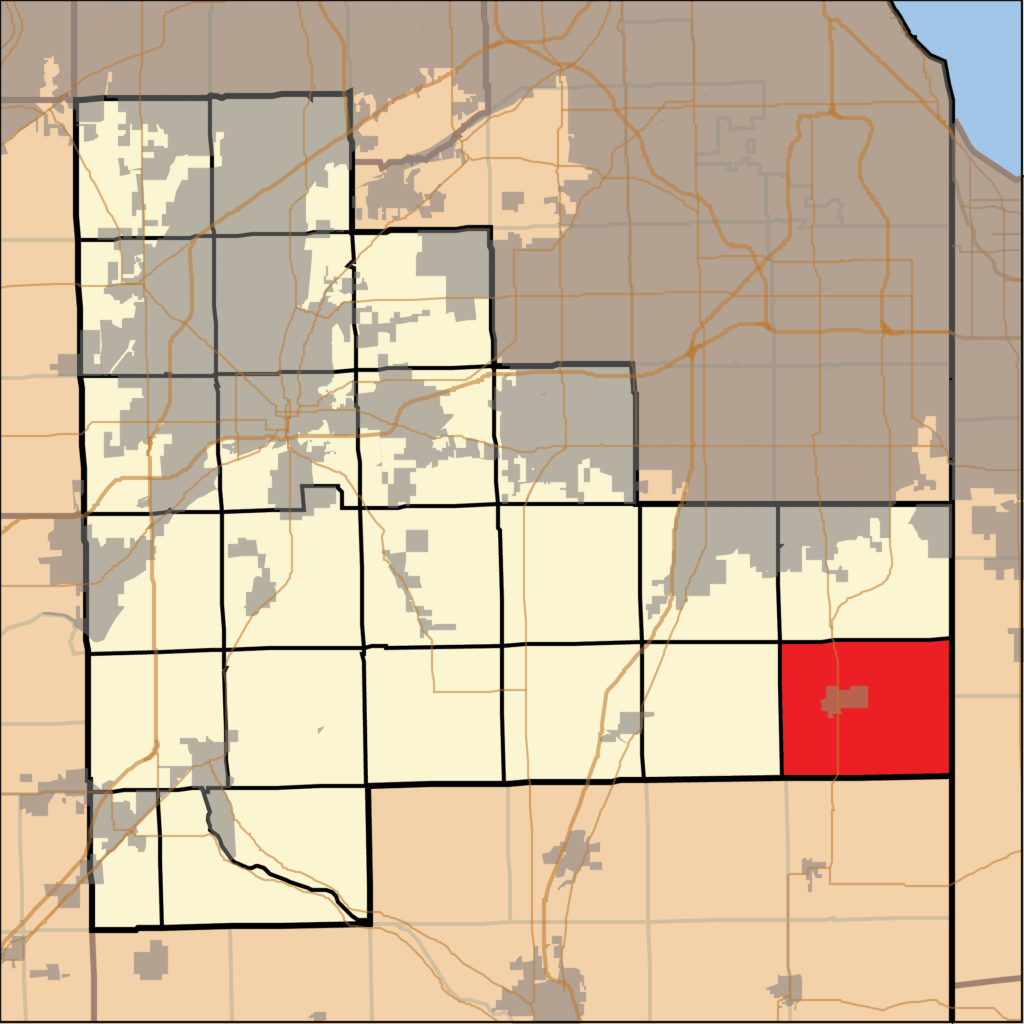
Property Assessments Set to Rise Across Washington Township

Meeting Summary and Briefs: Washington Township Board of Trustees for July 7, 2025
Committee Rejects Troy Township Solar Projects Amid Strong Local Opposition