Poll: Majority of voters dissatisfied with economy, prices
More than half of Americans said they are at least somewhat dissatisfied with the overall economy, according to a new poll.
The poll, conducted by Public Policy Polling from April 28-29, surveyed 680 registered voters and found that 68% of respondents reported feeling somewhat or very dissatisfied with the overall economy. About 43% of voters said they are “falling behind” economically,” according to the poll and the same figure would rate the economy as “poor.”
“This poll reveals an electorate contending with economic strain and uncertainty about the future,” said Jim Williams, polling analyst at Public Policy Polling.
Grocery and gas prices made up the largest shares of affordability concerns. About 29% of respondents said grocery prices are the biggest cost pressure on households, whereas 24% cited gas and energy prices.
About 37% of respondents said inflation and affordability is the top issue facing the country. In the breakdown, 40% of voters said they were “very” dissatisfied with the economy, while 28% said they were somewhat dissatisfied.
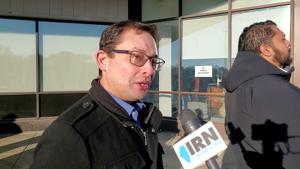
Tom Jensen, director of Public Policy Polling, unveiled the results to a panel in Raleigh, North Carolina, on Tuesday. He said the poll showed areas where Democrats could capitalize to flip seats and win a majority in Congress.
The poll found 83% of voters said it is very important that elected leaders “get things done.” About 85% of respondents said elected officials should work across the aisle more.
A similar share of voters said both Republicans and Democrats are “extreme.” About 41% of voters said Democrats are extreme, compared to 39% who said Republicans are more extreme.
Jensen said Democrat leaders need to focus on affordability messaging, rather than fringe issues, in order to succeed in the midterm elections.
“We just need to make sure that we’re staying focused on things that resonate with people who are lower-information voters and people who are not rabid partisans,” Jensen said.
Jensen said Trump’s falling approval ratings can open up paths for Democrat leaders to bring forth viable candidates who can affect change in future election cycles.
The poll also found that voters are concerned about the effect of artificial intelligence on the workforce. About 46% of voters said they are very concerned that AI could replace or reduce jobs in their community.
A majority of voters – 52% – said AI would bring a mix of harms and benefits to the workforce. Jensen said the dominant view reflects remaining uncertainty about how AI will contribute to future workforce development.
“There’s not a clear takeaway yet,” Jensen said. “Voters have nuanced opinions where they’re seeing both positives and negatives.”
Overall, Jensen said the poll appears to reflect positive news for Democrats heading into the 2026 midterm elections. He said Democrat messaging needs to remain fixed on affordability in order to capitalize on electoral gains.
“[Democrats] are now seen as the stronger party on the economy for the first time in a very long time,” Jensen said. “We’ve gotten that advantage on the economy largely by [Republicans] doing bad and now we need to show that we can do good to sustain that advantage on the economy and maximize our opportunities this fall.”





Chance Showers And Thunderstorms
Latest News Stories

Beecher to Rewrite Ordinance on Ebikes, Golf Carts to Match State Law
Meta to ask appeals court to end biometrics suit over Messenger filters
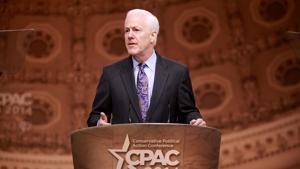
Paxton pushes Cornyn out of longtime U.S. Senate seat
Costco says no refunds owed to customers for tariff price hikes
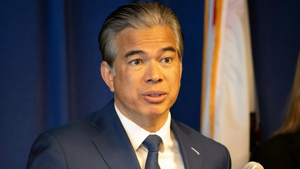
Dems decide against joining fraud roundtable at White House
VA launches MDMA trial years in the making for veterans

AI safety regulations advance in Springfield, despite industry concern

EXCLUSIVE: U.S. Border Patrol chief retires after historic drop in illegal border crossings
White House urges state AGs to target, punish Medicaid fraudsters

NASA unveils $1B moon base push amid cost questions

Drug-discount program likely to expand in Illinois, despite lax oversight
Analyst warns Bears megaproject bill could raise taxes