
Split Vote Halts Monee Truck Terminal Project
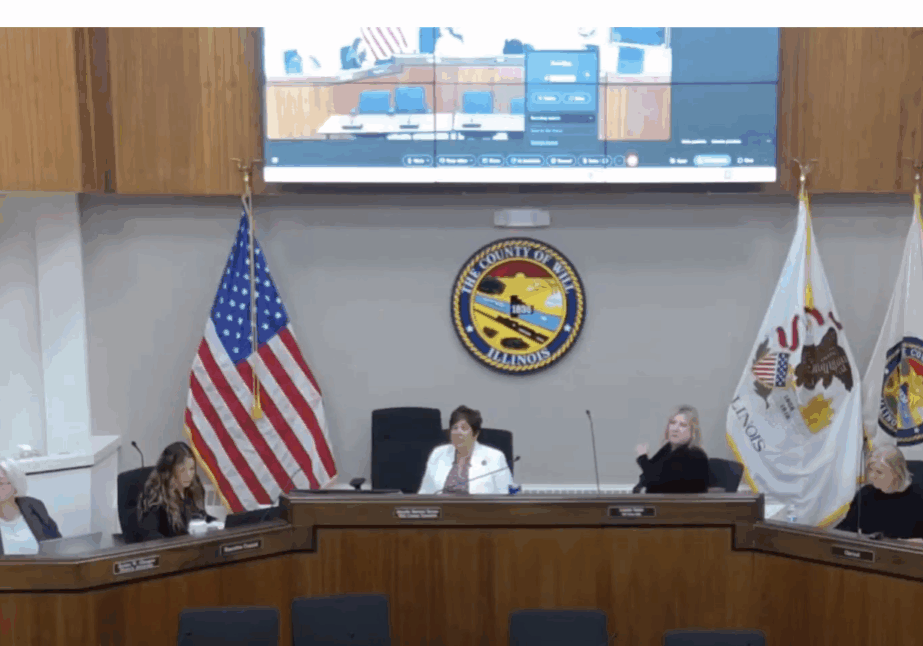
A proposed truck terminal on vacant land at West Monee-Manhattan Road in Monee Township was stopped in its tracks Wednesday after the Will County Board delivered a split decision on the project.
While the board voted 11-9 to approve a map amendment that rezoned the property from agricultural and residential (A-1/R-2) to industrial (I-2), it immediately followed with a vote to deny the crucial special use permit needed to operate a truck terminal on the site. The motion for the special use permit failed, with 11 members voting no.
The votes, taken during the board’s monthly meeting, effectively kill the project as proposed by the owner, Chicago Land Trust Company. Without the special use permit, a truck terminal cannot be developed on the property, despite the newly granted industrial zoning.
The project had received divided recommendations from the county’s advisory bodies. The Will County Planning and Zoning Commission (PZC) had recommended approval of the rezoning, while the board’s own Land Use & Development Committee had voted 5-1 to recommend approval for both the rezoning and the special use permit. The full board’s rejection of the permit


Showers And Thunderstorms Likely
Latest News Stories

Illinois GOP state reps call on Dems to stop taxing s’mores, other goods

Illinois Quick Hits: Tangent to expand in Montgomery

Retail advocate: Swipe fees ruling is largest Main St. ‘relief package’ in Illinois

Smith & Wesson wins appeal chance in Highland Park lawsuits

Illinois Republicans say federal student data probe may reach Illinois State after Tufts review

Washington Township Trustees Move to Create Official Emails to Comply with FOIA

Meeting Summary and Briefs: Public Works & Transportation Committee for February 3, 2026

Beecher Board Discusses Plans for Police Station Sale Proceeds

Chicago aldermen call out transportation dept. over Complete Streets, bike lanes

Exclusive: Teachers forced to un-teach social media claims

Illinois quick hits: Moody’s predicts static job growth in Illinois

Trump’s proposed firing rule could save taxpayers $6.1 million yearly


