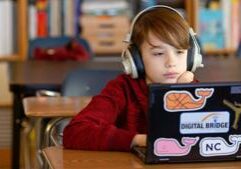
Exclusive: Teachers forced to un-teach social media claims
Teachers across the country say social media misinformation is affecting instruction, with many spending class time correcting inaccurate details students learned online, according to a new national survey exclusively given to The Center Square.
Sixty-seven percent of teachers surveyed said they have had to correct or “un-teach” inaccurate information students picked up from YouTube, TikTok or similar media platforms. Over 49% of teachers say this occurs more than once.
The findings suggest that as digital content becomes more integrated into student learning, teachers are increasingly tasked with addressing inaccurate or misleading information alongside traditional instruction.
The survey, conducted by online education provider K12, included responses from 503 parents and 505 K-12 teachers nationwide. The poll was designed to examine how digital creators and platforms are influencing student learning and classroom instruction.
Students spend over 260 hours per year watching educational content on YouTube or other platforms, according to the study. Seventy-three percent of parents said their children watch educational videos online, and 89% said their children’s grades have improved as a result.
At the same time, 37% of teachers said they feel pressure to adjust their teaching style to resemble that of online video creators to keep students engaged.
With the rise of technology, school districts have implemented phone bans to curb distractions in class. The movement to ban the technology from classrooms has gained bipartisan popularity among several state lawmakers. Around 76% of U.S. public schools, from California to Florida, have implemented some form of ban.
While many educators and parents reported benefits from using online educational content, 57% of teachers said such videos are both helping and harming student learning. Sixty-five percent said they have incorporated TikTok or YouTube content into their lessons.
The influence of online platforms is also shaping student aspirations, the survey found. Thirty-seven percent of parents said their child has expressed interest in becoming an educational content creator on platforms such as YouTube or TikTok.






Mostly Sunny
Latest News Stories

Administration presses law school accreditor over DEI policies
Speaker’s response to staffer assault complaint draws questions on his own conduct

Republicans’ $95B budget resolution passes House

$1.15T Pentagon funding authorization bill passes U.S. House

Lawmakers debate GLP-1 regulation, expansion

Illinois news in brief: Ex-Big Ten Network staffer gets 2 years in embezzlement case

New quantum tenant gets $1.8 million in tax credits

Proposal would term-limit Supreme Court justices without amendment

Pritzker says felon was unlucky to land in his back yard

Chicago council approves ballot question to recoup costs from ICE operations

Anti-ICE ‘extremist’ charged with arson in attack outside NYC federal building

World Cup events safe; terrorism, antisemitism concerns don’t materialize