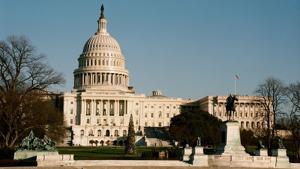
In-home care rule change proposal generates more than 1,500 responses
More than 1,500 responses were generated by Independent Women in support of reversing 2013 changes helping make in-home care more affordable and accessible to seniors.
The Department of Labor’s rule change under the Trump administration would “significantly reshape the landscape for millions of in-home care workers and the families who rely on them, and the perspectives of everyday Americans will add more personal dimension to this proposed policy,” the nonprofit women’s organization said in a release.
Independent Women says the proposed rule would “Reinstate the pre-2013 definition of companionship services, allowing many in-home caregivers, including those employed through third parties, to qualify for an exemption from overtime requirements once again.”
It would also “make in-home care more accessible and affordable again, so more families could find the help they need in the comfort of their own homes,” offering more freedom and flexibility to families and workers.
During the Obama administration, the Home Care Rule “narrowed the scope of the ‘companion exemption,’ a provision that had previously protected certain caregiving arrangements from rigid overtime requirements,” writes Heather Madden for Independent Women in The Conservateur. “Under the rule, if a caregiver devotes over 205 of their time to essential care tasks such as meal preparation, assistance with dressing, or transportation to medical appointments, the arrangement can no longer qualify for a companionship exemption.
“Additionally, caregivers employed through third-party agencies are entirely ineligible for this exemption.”
That makes care harder to find and afford, Independent Women says.
Congress in 1974 exempted workers in “domestic service” or providing “companionship services for individuals” from minimum wage and overtime requirements.
On July 25, the Wage and Hour Division suspended the 2013 rule while reevaluation takes place.
Settlement of keeping the 2013 rule or adopting the 2025 change could be enacted as soon as the fourth quarter of this calendar year.






Mostly Sunny
Latest News Stories

Beecher Board Clears FY27 Spending, Fee Schedule, Special-Ed Pact
California Assembly passes $350 billion budget
Fetterman and McCormick voted for bipartisan housing reform. Will Trump sign it?

U.S. Supreme Court to hear asylum, voting, pipeline cases next term

Illinois second in local fines and forfeitures

Report: Taxpayer dollars help nonprofit hospitals pad executive salaries, pay for lawsuits

Over 7 million student loan borrowers have 90 days to switch repayment plans
Pritzker signs 62 new laws, many not in effect until 2027
Federal workforce shrank by 256,000 in 2025. Deficit barely moved.

Illinois Quick Hits: Ruling supports Illinois mail-in ballot laws

Election 2026: Singular goal to win elections, different ideas to get there

Democratic group calls for U.S. social media ban for kids under 16