
Advocates look to state-based immigration programs
As the Trump administration pursues its goal to engage in mass deportations across the country, immigration advocates and researchers are looking to state governments for legal pathways.
The federal government assumed direct control of immigration processes with the Immigration Act of 1891, according to U.S. Citizenship and Immigration Services. This act led to the opening of Ellis Island in 1892, and largely handing over inspecting, rejecting, admitting and processing immigrants coming to the United States.
However, state legislators across the country have introduced proposals to give states a larger role in admitting immigrants and incentivizing more foreign workers coming to the United States.
Since 2007, at least 16 state legislatures have introduced bills, resolutions or other proposals to offer greater partnership with the federal government over immigration controls, according to the Bipartisan Policy Institute.
Michele Waslin, assistant director of the immigration history research center at the University of Minnesota, said she noticed a lot of focus from state legislatures in the last 30 years bringing a shift back to state-based immigration policy.
“Our immigration system is outdated,” Waslin said. “So we’re seeing states, regardless of party, or rural, urban split or whatever geography, just realizing that the current system isn’t working well for them.”
Waslin said many state proposals either don’t get the support they need from the federal government or the states are outright targeted.
In 2008, Colorado passed a bipartisan bill to create a pilot program that would give the state more power to recruit foreign workers. However, the program needed federal permission to begin recruitment, which was never received.
Additionally, in 2011, the Department of Justice challenged an immigration law in Utah that was designed to give state and local law officers an expanded role in enforcing immigration.
“The law creates and mandates immigration enforcement measures that interfere with the immigration priorities and practices of the federal government in a way which is not cooperative with the primary federal role in this area,” a 2011 statement from the Department of Justice reads.
The role between state and federal governments in immigration enforcement has recently come under increased scrutiny as the Trump administration looks to expand the role local law enforcement plays in its deportations agenda.
“The law’s mandates on law enforcement could lead to harassment and detention of foreign visitors and legal immigrants who are in the process of having their immigration status reviewed in federal proceedings and whom the federal government has permitted to stay in this country while such proceedings are pending,” the 2011 statement reads.
Waslin said states tend to get “the short end of the stick” with immigration because the system is controlled through the federal government. She said employers who use programs like the H-2A program for agricultural workers can have more of a say than states in foreign worker recruitment.
“States really get the short end of the stick in that they have very little ability to make those decisions about which workers and how many of those workers are going to come to their state,” Waslin said.
Jordan Fischetti, an immigration fellow at Americans for Prosperity, said state-based solutions still need collaboration from the federal government. He proposed states focus on visa quotas while the federal government handles security measures.
“If they’re spending less time worrying about market conditions and more time actually vetting people, they’ll do a better job at that,” Fischetti said. “By definition, every minute they spend not protecting us is a minute they’re not protecting us as well as they can.”
Fischetti said the Economic Innovation Group’s 2024 Heartland Visa proposal would allow states to collaborate with the federal government. The proposal would allocate a minimum of 100,000 visas for areas with little to no population growth.
The proposal also would allow eligible communities to opt-in to immigration pathways for skilled workers that can lead to permanent residency. The visas are set for three years but can be extended by up to six years and are designed to spur economic growth in areas of decline.
The policy proposal was introduced in 2024 by U.S. Sens. Todd Young, R-Ind., and Joe Manchin, I-W.V., but did not pass before the end of Congress’ session.
Whether state-based or federalized, Fischetti said immigration law must start by allowing communities to have input. Establishing predictable immigration rules is critical in moving forward with legal pathways legislation, Fischetti said.
“You need clear laws that people can easily follow and that Americans are confident are being followed,” Fischetti said. “That’s what I’m always going to get back to.”
Latest News Stories
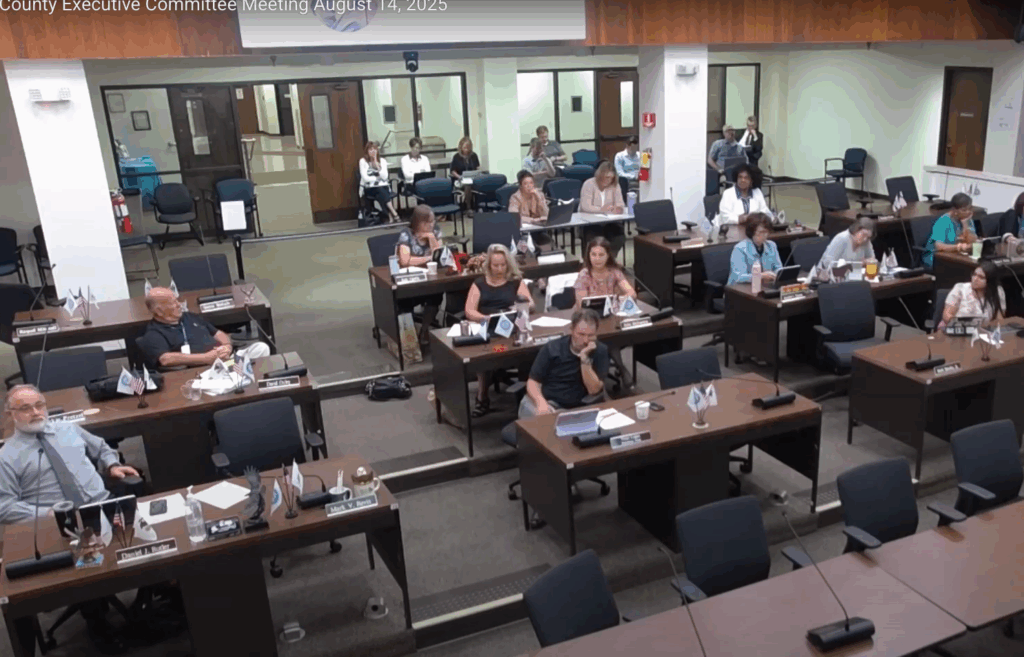
Executive Committee Considers $12,000 Strategic Planning Initiative with University of St. Francis
Executive Committee Members Decry Roadside Litter, Call for Action Against Garbage Haulers
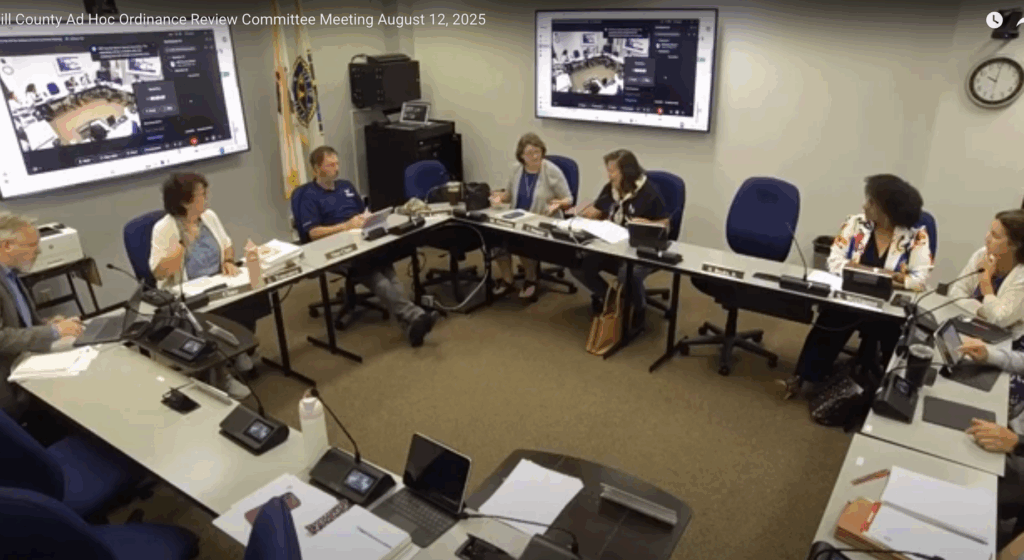
Will County Updates Solid Waste Ordinance, Increases Fines and Reporting to Landfill Committee
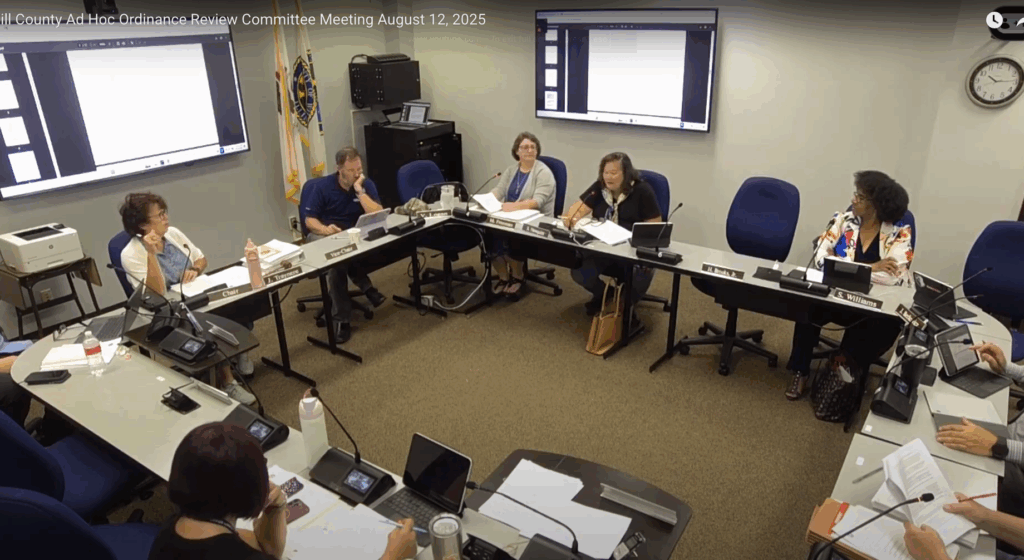
Citing Liability Concerns, Will County Committee Postpones Vote on Septic System Ordinance
Will County Moves to Repeal Obsolete 1972 Fire Hydrant Ordinance
Will County Board Gets Back to Basics with Robert’s Rules of Order Training
Executive Committee Approves Amended Houbolt Bridge Agreement to Settle Litigation

Meeting Summary and Briefs: Will County Board Committee of the Whole for August 12, 2025
Meeting Summary and Briefs: Will County Ad-Hoc Ordinance Review Committee for August 12, 2025
Will County Receives Detailed Update on Landfill Expansion Investigation
Report Finding Few Trucks Littering Sparks Debate on Cleanup Responsibility
Meeting Summary and Briefs: Will County Landfill Committee for August 7, 2025