Panelists debate costs of energy legislation as Illinoisans struggle to pay bills
(The Center Square) – Some consumer advocates say battery storage legislation would help reduce energy price spikes, but others say an Illinois Senate bill’s provisions would lead to net costs for customers.
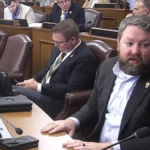
The Illinois Senate Energy and Public Utilities Committee discussed energy storage provisions of House amendment to Senate Bill 40 in a virtual subject matter hearing on Thursday.
The committee chair, state Sen. Steve Stadelman, D-Rockford, said lawmakers might consider legislation during the fall veto session in an attempt to ensure energy affordability and reliability for consumers.
United Congregations of Metro-East Executive Director Darnell Tingle told the committee that high utility costs are forcing families to make brutal choices.
“Do I pay Ameren or do I pay the rent? Do I keep the [air conditioning] running in this dangerous heat, or do I put food on the table? This is a crisis of health and safety,” Tingle said, adding that Illinois “can and should do better.”
Citizens Utility Board executive director Sarah Moskowitz said SB 40 could help get large-scale battery storage online quickly.
“This speed-to-market attribute is really important as we are already experiencing the costs of inaction,” Moskowitz said
Citing Energy Information Administration data, Illinois Industrial Energy Consumers Chairman Phillip Golden said California and New York implemented centralized battery procurement policies.
“You will see their energy costs are, respectively, 60% and 100% higher than what Illinois paid in just June,” Golden said.
Golden said such battery developments resulted in net payments from consumers to battery storage developers.
State Sen. Terri Bryant, R-Murphysboro, said SB 40 would not provide immediate relief and could only guarantee a cost increase.
State Sen. Sue Rezin, R-Morris, asked why the bill did not include cost caps for battery storage.
“In the past we’ve put cost caps in just to make sure utility bills don’t go up. In the bills that we have passed where there wasn’t a cost cap, the bills have gone through the roof and now we’re hearing from customers,” Rezin explained.
Stadelman said a second subject matter hearing on energy issues would likely be held in early October.



Scattered Showers And Thunderstorms then Mostly Sunny
Latest News Stories

Supreme Court justices defend $225 million budget request

Election 2026: Cooper steps away from responsibility of historic prison release
Illinois congressman pushes to repeal federal tax cuts

Illinois state diversity leader resigns amid criticism

Illinois Quick Hits: Chicago committee approves infrastructure funding around soccer stadium

Retired judge urges federal court to reject key talc researcher’s testing

U.S. inflation cools to 3.5% in better than expected June report

Court: Parents can’t sue teachers unions over illegal strikes
Extreme heat, wildfires sweep the Southwest

U.S. House to vote on bill making daylight savings time permanent
Trump: Iran to be ‘hit hard’ as blockade back on
U.S. House passes election campaign financing bill