Beecher School Board Approves FY26 Budget With Projected Surplus, Earmarks Funds for Major Projects
Article Summary: The Beecher School District 200-U Board of Education formally adopted its Fiscal Year 2026 budget, projecting a modest surplus of approximately $96,000 and continuing a recent trend of positive financial results after years of deficit spending. The budget includes significant earmarked funds for potential large-scale capital projects, including new boilers for the junior high, window replacements at the high school, and the purchase of new buses.
Beecher School District FY26 Budget Key Points:
-
The FY26 budget projects revenues of $18.43 million and expenditures of approximately $18.3 million, resulting in a planned surplus of around $96,000.
-
The district ended the previous fiscal year (FY25) with an actual surplus of $246,000, marking the second consecutive year of being “in the black.”
-
Major potential expenditures include $100,000 for junior high boilers, $215,000 for high school windows, and $170,000 for a new bus and two transportation vans.
-
The district’s reserves currently represent about 3.2 years of state Evidence-Based Funding, exceeding the strategic plan goal of 2.5 years.
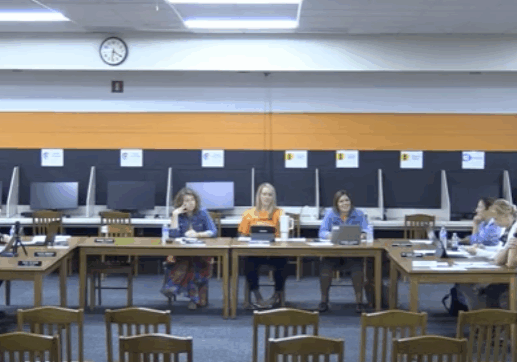
BEECHER, IL – The Beecher School District 200-U board approved an $18.3 million budget for the 2026 fiscal year that continues to solidify the district’s financial health while setting aside significant funds for aging infrastructure.
During a public hearing on September 10, Superintendent Dr. Jack Gaham presented the budget, which projects revenues of $18.43 million against expenditures of $18.3 million, leaving a planned surplus of about $96,000. This marks the third consecutive year the district has planned for or achieved a budget surplus, a significant turnaround from a prior period of deficit spending.
“You actually have been in the black successfully the last two years,” Dr. Gaham told the board. “Something you promised the taxpayers that you would look to turn around. We’ve been successfully in the black the last two years, so kudos to you all.”
The district outperformed its FY25 budget, ending the year with a $246,000 surplus instead of a projected deficit, aided by the sale of property and higher-than-expected tax levy payments.
A key component of the new budget is the earmarking of funds for several large-scale projects. These include a potential $100,000 for replacing boilers at the junior high, $215,000 from health life safety funds for high school window replacements, and $170,000 to update the district’s transportation fleet with one large bus and two smaller vans. Dr. Gaham noted that if these earmarked funds are not spent, the projected surplus will increase.
The budget also reflects a strong financial position in terms of reserves. According to the superintendent, the district’s end-of-year fund balance of $12.7 million represents approximately 3.2 years of Evidence-Based Funding from the state. This exceeds the board’s strategic plan goal of maintaining at least 2.5 years of funding in reserve.
“If the state comes in and says EBF is done, you still have about three years of just holding on until things get really bad,” Dr. Gaham explained, highlighting the district’s financial stability.
Following the presentation, the board voted unanimously to close the hearing and later approved the budget as presented.


Smoke
Latest News Stories
Congressional candidates tackle housing, immigration

Senators to examine hospital price transparency legislation
Transit bill sponsor ok with recycled board appointments

U.S. adds 3.5M businesses despite shaky economy
Utility company pays $314 million to Eaton Fire victims

Illinois quick hits: Collinsville man pleads guilty to sex abuse of children
Judge plans to rule next week on Paramount, Warner Bros.
Aldermen say mayor fails to collect revenue he opposes

Texas leading in Iran conflict, drone boat company rescues pilots, attacks Iran

Illegal border crossings remain historically low in June, drug seizures up
Pritzker disputes Trump speech claims

Arizona congressional candidates debate healthcare, ICE