Will County to Draft First-Ever Policy on Artificial Intelligence Use
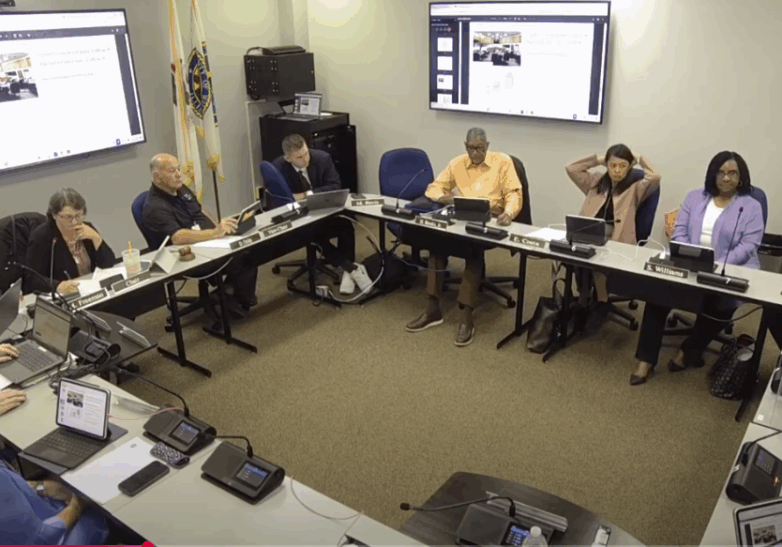
Will County Capital Improvements & IT Committee Meeting October 7, 2025
Article Summary: The Will County Board’s Capital Improvements & IT Committee has initiated the process of drafting a comprehensive policy to govern the use of artificial intelligence in county operations. The move aims to proactively manage the technology’s risks and benefits, with a focus on establishing strong data governance rules to protect sensitive information.
Artificial Intelligence Policy Key Points:
-
Will County currently has no formal policy or ordinance regulating the use of artificial intelligence by its departments or employees.
-
The committee directed staff to research AI policies from other counties to use as a model for drafting its own.
-
The policy will focus heavily on “data governance” to establish rules for handling sensitive criminal justice information, private resident data, and public records.
-
Potential uses being considered include processing invoices and transcribing public meetings to improve efficiency.
JOLIET, IL — Will County is moving to get ahead of the rapid advance of artificial intelligence, directing staff on Tuesday, October 7, 2025, to begin drafting the county’s first-ever policy to regulate its use in government operations.
The discussion at the Capital Improvements & IT Committee meeting was spurred by a desire to be proactive rather than reactive to the new technology.
“AI is coming forward,” said Committee Chair Mica Freeman. “We should be proactive instead of reactive when this starts coming towards us.”
Jason Donisch, representing the county’s ICT department, told the committee that AI is the “new internet” and is already integrated into many common tools. He advised that the county’s focus should be less on AI itself and more on the information it handles.
“It’s not so much an AI policy, it’s more of a data governance policy,” Donisch explained. He noted that different departments have different legal requirements for data security, such as the Sheriff’s Office and the Courts, which must follow strict federal guidelines for handling criminal justice information. A robust policy would establish guardrails to prevent sensitive data from being improperly used or stored by AI systems.
Board members agreed on the need for a formal policy. Following the advice of the State’s Attorney’s office, the committee directed county staff to research existing AI policies from other counties and organizations to use as a template.
The discussion also touched on both the potential benefits and risks. Board member Jacqueline Traynere cited Cook County’s success in using AI to process invoices with 95% accuracy, saving significant staff time. Donisch noted that AI could also be used to speed up the creation of meeting minutes. However, members also raised concerns about AI “fabrications,” data security, and the potential for deep fakes.
The process of drafting the policy will begin with gathering examples from other governments before a proposal is brought back to the committee for review.


Chance Showers And Thunderstorms
Latest News Stories

DOJ arguing against Illinois’ gun ban ‘monumental,’ advocate says
Pastors hope Kirk’s faith is catalyst ‘to return America to a people of Godly values’

Reporting firearm threats to principals ‘common sense,’ IL legislator says

‘Radicalized’ shooter dead, two injured in wake of school shooting

“Hey fascist! Catch!”: Authorities confirm writing on alleged Kirk killer’s bullet casings

Illinois in Focus: Chicago Flips Red summons Trump; gun rights advocate on DOJ involvement

Memphis, Tennessee leaders thankful for National Guard announcement

Illinois quick hits: Pritzker touts crime prevention; former radio host DuMont dies

‘We got him:’ Kirk shooting suspect in custody

Charlie Kirk shooter: Intelligent, inscriptions suggest online radicalization

Search goes on for suspect in Charlie Kirk assassination
Free speech, freedom from violence a concern after Kirk killing