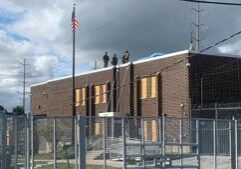
Judge bars ICE from acting against ‘protestors,’ ‘rapid response’ activists
A Chicago federal judge has barred federal agents from U.S. Border Patrol and ICE from conducting crowd control actions anywhere in northern Illinois as part of ongoing immigration enforcement operations, unless the federal agents can prove so-called “protestors” are posing a danger to their lives or the lives of others, or could result in a “catastrophic outcomes.”
On Nov. 6, U.S. District Judge Sara Ellis issued a preliminary injunction blocking federal agents associated with “Operation Midway Blitz” and other operations from using physical force or riot control weapons against the so-called “rapid response networks” of activists and others who the judge has conceded routinely follow and harass immigration officers as they carry out their duties in and around Chicago, or who gather outside the ICE processing facility in suburban Broadview to “protest” the federal actions.
Under the injunction, agents from Border Patrol and Immigration and Customs Enforcement (ICE) are forbidden from “issuing a crowd dispersal order” requiring the so-called protestors “to leave a public place that they lawfully have a right to be.”
The order further bars the federal agents from using “riot control weapons,” including non-lethal rounds like rubber bullets or bean bags; pepper spray; tear gas; and virtually all other crowd control weapons and munitions, against those who gather with the intent to protest, interfere with and potentially thwart immigration-related arrests.
Further, the order forbids federal agents from “using hands-on physical force such as pulling or shoving to the ground, tackling, or body slamming” anyone “who is not causing an immediate threat of physical harm to others…”
The order also grants those claiming to be journalists the right to remain in an area undisturbed, even after an otherwise lawful dispersal order has been given.
The order asserts the prohibitions don’t apply if federal agents can “objectively” prove the otherwise-forbidden actions are needed to address a threat to life or to prevent so-called “catastrophic outcomes,” terms which Ellis said are defined in Homeland Security use of force rules.
Ellis is an appointee of former President Barack Obama.
The ruling came at the conclusion of days of proceedings as part of an ongoing class action lawsuit launched by pro-immigrant activists, together with Chicago news organizations and trial lawyers who have made their name suing police, to win court orders blocking ICE from taking action against so-called “protestors” and activists who routinely seek to hamper and thwart federal immigration enforcement in the region.
The plaintiffs in the case have accused ICE of an unconstitutional “pattern of extreme brutality” amid a bid to “silence press and civilians.”
They point to incidents in which ICE has allegedly intentionally targeted peaceful protesters and journalists with non-lethal munitions, including pepper balls, paint balls and rubber bullets, and so-called flash grenades and tear gas, both amid protests at its Broadview facility and in neighborhoods and other settings in which ICE patrols have operated.
For their part, the federal agents have asserted the control measures have been necessitated by aggressive and hostile actions from activists, protestors and members of so-called “rapid response teams” who routinely follow ICE patrols and have been documented to attempt to interfere with arrests.
A Justice Department attorney told the judge during the hearing that the case is really about “to what extent does the freedom of speech protect people throwing rocks, bottles, trespassing, pinning down law enforcement, slashing tires, wielding weapons.”
In delivering her ruling, Ellis conceded some so-called “protestors” have thrown objects at officers and otherwise behaved badly toward the officers.
The federal government has pointed to videos showing activists placing their hands on officers, and attempting to unmask them to reveal their identities on camera, amid other otherwise normally improper actions towards law enforcement officers.
However, according to published reports, Ellis said she believed the federal government’s side of the story was “simply not credible.”
Following the ruling, the Justice Department vowed to appeal the order from Ellis, who they called an “activist judge that risks the lives and livelihoods of law enforcement officers.”





Scattered Showers And Thunderstorms then Mostly Sunny
Latest News Stories
Illinois news in brief: Chicago police review Illinois Accountability Commission report; Granite City man sentenced for transporting minor in sex assault case; Report finds Illinois’ AI careers rank 34th in nation

Service member killed in action; remains found in search for one missing

Second family welcomes baby boy

Everyday Economics: Falling gas prices helped keep consumers spending
Illinois may bring early warning of toll costs ahead of proposed rate hike
Illinois senator says True Value move highlights business climate concerns

Two services members killed, one missing in Iranian strike

U.S. Coast Guard monitors Chinese ships off Alaska coast

Millions celebrate America 250, Sail250 events in key ports

Chicago delays vote on parking meter sale, risks litigation

Hegseth’s ‘High-T’ troop screening mandate comes without cost estimate

Congressional candidates tackle housing, immigration