Illinois approves $1.5B transit package, funding for long-delayed projects
(The Center Square) – Illinois lawmakers approved a $1.5 billion transit package, including long-delayed Moline-to-Chicago rail, hailed by Democrats as a ‘big win’ for the Quad Cities but criticized as an expensive burden on taxpayers.
Illinois U.S. Rep. Eric Sorensen, D-Moline, celebrated the development on social media, calling it “a ‘BFD’ for the Quad Cities.”
“We are closer than ever to having passenger trains between Moline and Chicago. Now, we will use these state funds, along with federal funds secured by former Congresswoman Cheri Bustos and me,” said Sorensen.
But state Sen. Don DeWitte, R-St. Charles, said the project remains in its early stages and warned that the costs and ridership projections are still unclear.
“There’s an awful lot of study that needs to go into determining what the real cost of this service is going to be to the taxpayers,” DeWitte told The Center Square. “Until they start looking at what the potential passenger flow might be, I don’t think they have any clue what this project is really going to cost.”
DeWitte, a member of the Senate Transportation Committee, also questioned the process behind the $1.5 billion package, which lawmakers passed in the early morning hours on Halloween.
“This was a major piece of legislation passed at 4 a.m.,” he said. “There’s a reason why these types of bills get run that early in the morning — because they don’t want anybody to see it.”
DeWitte described the legislation as a “Christmas tree bill,” where lawmakers attach local projects in exchange for votes to advance larger spending measures.
“The only way they are able to get support for significant funding proposals like this is by hanging their wish list items on the bill in exchange for votes,” DeWitte said. “There’s rail service to Moline, improvements to Willard Airport, subsidies for Springfield’s airport service, electric buses, bike paths—everyone is hanging ornaments on the tree.”
DeWitte highlighted the Elgin-to-Rockford rail extension as a cautionary tale. Despite state subsidies, some cities along the route opted out, reducing ridership and revenue.
“Now you have the largest city in McHenry County choosing not to participate in the Elgin-Rockford extension,” said DeWitte. “That removes a significant number of potential daily riders, which will impact the revenue stream and ultimately increase how much the state will need to subsidize the service. I can easily envision a similar scenario occurring on other proposed routes, whether it’s Chicago to Moline, Chicago to Peoria, or Peoria to the Quad Cities.”
According to DeWitte, many Illinois transit projects move forward without full studies on costs, potential riders, or city and county contributions.
“It’s a very expensive preliminary study process,” DeWitte said.
Beyond cost concerns, DeWitte emphasized the importance of fair representation for the suburban counties, known as the “collar counties,” which rely on transit services like the CTA and METRA.
“Now that this legislation has passed, I hope the process comes together so that both the city and the collar counties have equitable representation in how this significant new revenue stream is allocated and spent,” said DeWitte.


Partly Sunny then Slight Chance Showers And Thunderstorms
Latest News Stories

As Illinois ends grocery tax locals can replace, food inflation debate continues
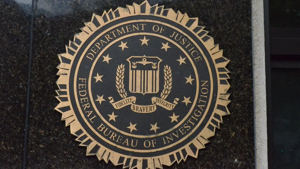
North Carolina NYE terror attack foiled by FBI, several police departments
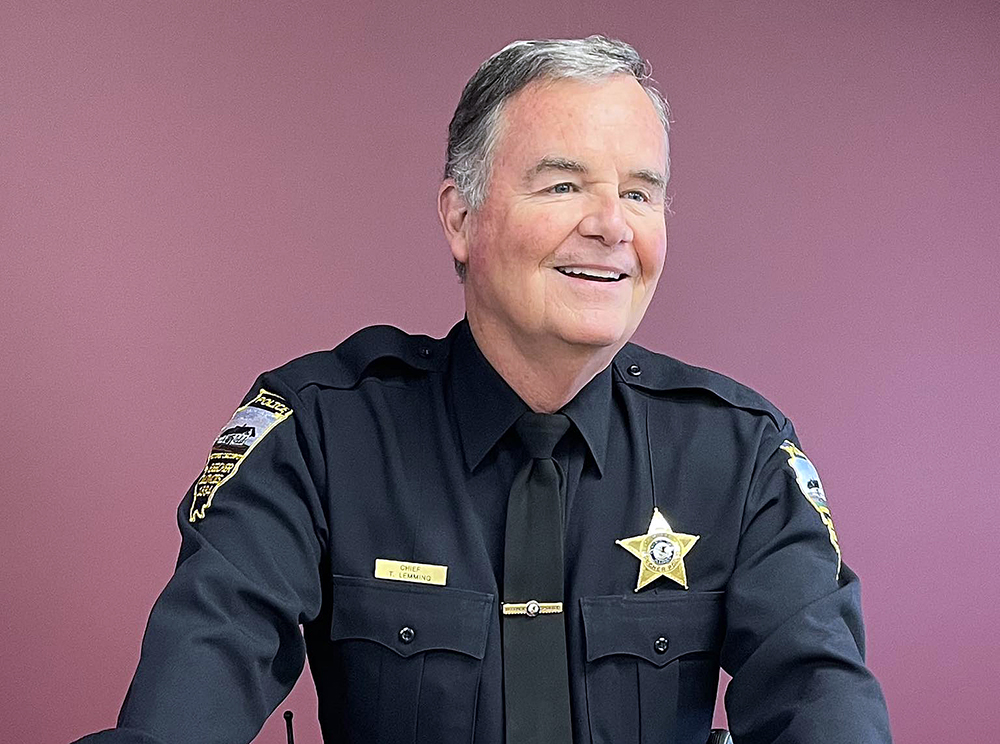
Beecher bids farewell to Chief Lemming following retirement
DeWine defends fraud safeguards at Ohio child care facilities
Illinois quick hits: State keeps more tax revenue, locals get less
Beecher Library Board Approves Annual Financial Report and CD Renewal
U.S. House vote on employee bargaining met with ‘political theater’ criticism

Hog producer: 2025 was strong, but IL legislature needs to address estate tax

Trump to remove National Guard members from Chicago, LA, Portland
Illinois’ compact fluorescent bulb ban begins to take effect
Illinois quick hits: SBA sues Chicago over online betting tax

Illinois Congressman: Millions face higher premiums despite GOP health bill