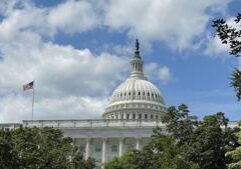
Democrats want call program for immigrant detainees
Immigrants detained in facilities across the U.S. would be able to contact their lawyers and families under legislation filed by a group of congressional Democrats.
The Restoring Access to Detainees Act affects immigrants who are placed in Customs and Border Protection or Immigration and Customs Enforcement facilities.
Sponsors of the legislation said it follows months of “credible reporting” that ICE and CBP have prevented detainees from contacting family members or legal representatives.
“The Trump administration’s practice of snatching people off the street and denying them access to lawyers or calls to family is cruel, unnecessary, and puts U.S. citizens and lawfully present immigrants at risk of wrongful detention and deportation,” Sen. Ron Wyden, D-Ore., said in a news release.
In April 2020, the Trump administration allowed immigrants detained at ICE and CBP locations up to 520 free minutes of phone service per month to keep in touch with their families during the COVID-19 pandemic. The program was halted in 2024 due to a lack of funding, a move that saved $10.2 million, according to a statement from ICE.
Sponsors of the bill say the program should be restored, citing increased funding for ICE under the “One Big Beautiful Bill Act.” The budget bill, passed in July, provided billions in additional funding to ICE, including $29.9 billion to its enforcement and deportation operations.
The legislation proposes requiring immigrant detainees to have at least one phone call of no less than 10 minutes with an immediate family member or a lawyer in the first five hours of their detainment. The bill also calls for at least 200 free minutes per month with an immediate family member.
“There is no reason besides cruelty to deny immigrants the ability to speak to their lawyers and their families while they are detained,” said Sen. Catherine Cortez Masto, D-Nev, a co-sponsor of the bill. “We can follow the law and treat immigrants with dignity.”
The legislation allows detainees to contact any official with the U.S. Department of Homeland Security who may be investigating detention conditions. It also allows unlimited communication with federal, state and local immigration courts.
“It’s outrageous that the Trump administration uses cruel tactics that deprive people of their rights during immigration enforcement as a way to intimidate immigrant communities and force them to live in fear,” said Sen. Jacky Rosen, D-Nev, a cosponsor of the bill. “We must ensure that everyone is offered equal justice under the law.”
The proposed legislation also prohibits any phone conversation a detainee makes from being recorded.
“I saw with my own eyes the reality of Trump’s immigration system: a mother and her four U.S. citizen children disappeared and locked in a windowless cell unable to contact a lawyer or their loved ones. The inhumanity was staggering. If we allow this to continue, we will lose who we are,” said Rep. Maxine Dexter, D-Ore, a co-sponsor of the bill in the U.S. House of Representatives.
Sens. Chris Murphy, D-Conn.; Dick Durbin, D-Ill.; Patty Murray, D-Wash.; and Angela Alsobrooks, D-Md., were among those who co-sponsored the legislation.




Mostly Sunny then Showers And Thunderstorms Likely
Latest News Stories
Civil rights complaints filed over race-based healthcare scholarships
Candidates clamor for Carter’s open seat

Illinois Quick Hits: Civic federation funds ‘persistent structural imbalance’ in Illinois

Millions Approved for Will County Highway and Road Infrastructure Projects

U.S. House OKs Fetterman bill allowing SNAP to cover hot rotisserie chicken

Gas hits $6 a gallon in California; Southwest see increases

Teacher unions spent over $1B on political causes since 2015

Illinoisans may soon need registration, title, license to use e-bikes, scooters
Executive order creates website for retirement accounts, matching federal contributions
Congress extends govt. surveillance powers for 45 days

Report: 10% credit card cap could cut off 64 million Americans, risk recession

Pritzker’s commission report pushes for local investigations of federal ‘brutality’