
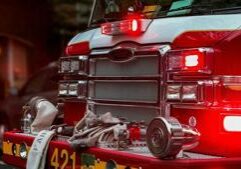
Normal, IL fire and EMS challenges highlight need for statewide task force
(The Center Square) – A planned relocation of Normal’s Fire Station 2 sparks statewide concern over slow emergency response times, as a new bill at the statehouse would create a task force to investigate staffing and funding problems in Illinois’ EMS system.
Local 2442 Union President Chad Pacey said the relocation plan dates back to a 2008 study that called for a fourth station within 10 years. Instead, Normal has kept the 2012 plan, moving stations without adding resources, even as calls and population have grown sharply.
“We’re up to over 8,000 calls a year, and that number keeps rising,” Pacey said. “Meanwhile, we’re about to close a station that sits in one of the busiest and most vulnerable parts of town. The plan we’re using is simply outdated.”
According to the union’s website, Normal is facing a critical shortage of firefighters and apparatus necessary to respond effectively to emergencies.
“These shortages are not just numbers, they represent slower response times, increased risk to the public, and growing dangers to the firefighters who respond every day,” the website states.
The union-commissioned study found relocating Station 2 would cut Normal’s emergency coverage by nearly 10%.
“With national fire protection standards, we aim to be on scene within four minutes for 90% of emergencies,” Pacey said. “That’s our goal as the boots on the ground, to provide the best, most professional service for the residents, taxpayers and visitors of Normal.”
House Bill 3233 would create an Emergency Medical Service Response Task Force to study slow response times, funding shortages and training and retention challenges.
State Rep. Bradley Fritts, R-Dixon, said the problem reflects a broader statewide issue.
“I think we need to look at what areas we can fill in the gaps,” Fritts said. “The goal of this task force is to identify the problems so we’re all on the same page. Then we can figure out solutions, whether that’s state funding, or programs through universities and community colleges to streamline EMT licensing and get more people into the fire service.”
Fritts said EMT staff shortages is a nationwide problem.
“Staffing shortages aren’t just a statewide problem, they’re a nationwide issue,” said Pacey. “The Association of Firefighters of Illinois has been working to address the challenges of attracting people to this career. This isn’t just Normal or Illinois, it’s a national crisis.”
Fritts said his initiative aims to provide a full picture of statewide EMS needs.
“People pay significant state and local taxes, and they deserve timely, professional care – no matter where they live,” Fritts said. “This task force will bring stakeholders together to identify the problems and find solutions, whether through state support, training programs, or new strategies to recruit and retain EMTs and paramedics.”
Across Illinois, departments are closing or consolidating stations due to staffing shortages, funding gaps, and reliance on outdated data – a trend Fritts hopes to address through his proposed legislation.
“It’s unacceptable that taxpayers can wait 20 minutes for an ambulance while a loved one is having a heart attack,” Fritts said.
Rural Illinois emergency services rely heavily on paid-on-call EMTs and paramedics, often earning as little as $15 per call, Fritts said. Many of these responders also hold full-time fire service jobs in nearby suburbs, rotating between 24-hour shifts and their day jobs, leaving them to cover local calls on days off.
Fritts highlighted a growing challenge for rural EMS personnel, what he calls a “triple jeopardy” system of accountability.
EMTs and paramedics can face sanctions from their local department, the regional medical center, and the Illinois Department of Public Health. In some cases, even when local authorities find no fault, IDPH has imposed penalties, including license suspensions, that prevent responders from returning to their regular shifts.




Mostly Sunny
Latest News Stories
County Moves Forward with Veterans Building Renovations, Questions Arise on Pace Building Plans
County Continues Efforts to Reduce Leased Office Space Footprint
County Reports Significant Cost Savings Through In-House Facility Projects
County Legislative Committee Endorses Electronic Recycling Bill, Reviews Transit Governance
Will County Capital Improvements News Briefs
County Finance Committee Advances Proposal for Elected Official Pay Raises After 20-Year Freeze
Will County Committee Debates Process for Taking Positions on State Legislation
State Lobbyists Update County on Springfield Action as Legislative Deadlines Approach
Will County Legislative Committee News Briefs
Shanahan Development Agreements Near Completion, Will County to See $282,000 Annual Revenue Boost
County Explores Bond Refinancing Options to Generate Potential Savings
County Approves $150,000 for Medicare/Medicaid Billing Consultant for Health Department, Nursing Home
- « Previous
- 1
- …
- 181
- 182
- 183