As Trump considers rolling back some tariffs, trade groups want in
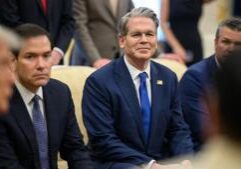
U.S. Treasury Secretary Scott Bessent said Wednesday that the administration will soon announce tariff cuts to bring down prices for consumers.
“You’re going to see some substantial announcements over the next couple of days in terms of things we don’t grow here in the United States, coffee being one of them,” Bessent said in an interview on Fox News. “Bananas, other fruits, things like that. So that will bring the prices down very quickly.”
In a separate interview on Tuesday, Trump mentioned cutting coffee tariffs and said prices would fall, illustrating that the president understands his tariffs are raising prices for Americans. Coffee prices have increased about 18.9%, according to federal data.
This marked the first time Trump publicly considered reducing the tariffs he introduced earlier this year. The timing follows Democrats’ recent election wins; exit polls showed voters were frustrated with high prices.
Distilled Spirits Council President & CEO Chris Swonger urged the president to consider adding alcoholic beverages from the European Union and United Kingdom to the list.
“We have reached out to the White House to urge the Administration to include EU and UK distilled spirits to the list of commodities not produced in the U.S. that they are targeting for tariff relief,” he said in a statement. “Many spirits including Scotch, Cognac and Irish whiskey are distinctive products that can only be made in their country of origin.”
Swonger said it would help the industry during a crucial sales period.
“A return to zero-for-zero tariffs on UK and EU distilled spirits products will boost the struggling U.S. hospitality industry just as the important holiday season begins,” he said.
Meanwhile, for months, the White House has insisted that foreign nations would bear the costs of the tariffs, which are taxes on imports. However, more recent data suggests Americans are paying for at least a portion of the tariffs.
A study from Duke’s Department of Economics found that, during a 2019–21 trade dispute, U.S. consumers paid prices for European wines that were higher than the tariff amount. This means consumers absorbed costs beyond what the federal government collected in tariff revenue.
A recent Goldman Sachs report found that U.S. consumers will pay 55% of the costs resulting from President Donald Trump’s tariffs, U.S. businesses will pay 22%, and foreign exporters will pay 18%. The report clarifies that most tariffs will be passed on to American consumers as businesses adjust prices in the coming months.
“At the moment, however, U.S. businesses are likely bearing a larger share of the costs because some tariffs have just gone into effect and it takes time to raise prices on consumers and negotiate lower import prices with foreign suppliers,” according to the Goldman Sachs note.
Trump has said that he aims to use tariffs to revive manufacturing jobs lost to lower-wage countries in the past, redistribute the tax burden away from U.S. families, and reduce the national debt. Economists, businesses and some publicly traded companies have said that tariffs could increase prices on a wide range of consumer products.
A tariff is a tax on imported goods that is paid by the person or company importing the goods. The importer can absorb the cost of the tariffs or try to pass the cost on to consumers through higher prices.





Partly Sunny then Slight Chance Showers And Thunderstorms
Latest News Stories

Sultan in Epstein files resigns, global turmoil continues

Temporary protected status terminated for Yemen nationals

Advocates argue new data center restrictions might close Illinois market

Illinois advocates urge senate action on SAVE Act

Ford returning to the Middle East as tensions rise with Iran

Lemon faces federal arraignment today in St. Paul church protest case

Senate GOP wants companies funding lawsuits to be revealed

Election 2026: Cooper social post is now you see it, now you don’t

Illinois Quick Hits: Chicago mugging captured on video

January inflation cools to 2.4%, lowest since May

McCuskey praises federal rollback of Endangerment Finding

Assessor Reports Increase in Senior Exemption Income Limits