With a word, RFK Jr. triggered $40B takeover of Tylenol
Last year, Kenvue seemed to be in the clear over claims its popular Tylenol pain medicine caused autism. A federal judge in New York had dismissed thousands of lawsuits after ruling the evidence of plaintiff experts was unreliable. Kenvue shares rose 30% to more than $24 a share, giving the consumer-products company its highest market value since it was spun out of Johnson & Johnson in 2023.
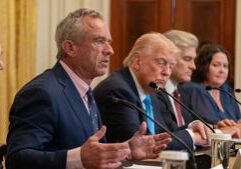
Then came Robert F. Kennedy Jr., a former trial lawyer now in position to sound an alarm on various consumer products. In September of this year, the Health and Human Services secretary announced the Trump administration was taking “bold new actions” to combat childhood autism.
Those actions included a Food and Drug Administration investigation into a possible connection between acetaminophen use during pregnancy and autism.
The FDA said it was starting the process for a label change even as it acknowledged there was no evidence of a causal relationship and acetaminophen remains the only over-the-counter drug approved for treating fevers during pregnancy. Aspirin and ibuprofen are known to be unsafe in pregnancy, as are fevers themselves.
The damage was done, however. An FDA-ordered label change could give fresh ammunition for plaintiff lawyers already appealing the 2024 dismissal of their cases. Kenvue stock plunged more than 40%, slicing almost $20 billion off Kenvue’s market value.
Kimberly-Clark swept in and offered to buy Kenvue for $21 a share, or about $40 billion. The company’s independence was ended after less than three years as Kimberly-Clark, the maker of Huggies diapers and Kleenex, gobbled up the maker of everything from Tylenol and Motrin to Band-Aids and Listerine.
It was a victory for investment bankers and a handful of powerful plaintiff law firms, including Keller Postman, Watts Guerra and The Lanier Law Firm. They are poised to benefit further, as RFK Jr. turns the FDA into an evidence-producing machine to fuel lawsuits over Tylenol, ultra-processed foods, talcum powder and vaccines.
Plaintiff attorneys typically file lawsuits soon after a public announcement and bolster their cases with scientific data from laboratories they hire to produce evidence for lawsuits. When the public announcement comes from a high-ranking official like RFK Jr., lawyers feel especially confident in suing.
As well as environmental activism, RFK Jr.’s legal career included time in personal injury firms like Morgan & Morgan and Levin Papantonio, plus ties to one of the firms pushing cases alleging Roundup weedkiller causes cancer – Wisner Baum.
“Now that he’s in control of a federal agency, his most recent announcement will provide an immediate boost for a specific group to which he once belonged: plaintiff lawyers who chase class-action lawsuits against American companies,” Yaël Ossowski of the Consumer Choice Center wrote in a recent op-ed.
With Tylenol, Kenvue was a sitting duck. The company had freed itself from U.S. talc lawsuits in the spinoff from Johnson & Johnson, which agreed to shoulder liability for those cases as it struggled to craft a master settlement through bankruptcy of a special-purpose entity. Kenvue retained liability for Tylenol, but in public offering documents said it didn’t expect litigation to have a “material adverse effect on its financial condition.”
Investors clearly disagreed after RFK made his announcement, possibly forcing Kenvue to consider a takeover offer it might have rejected before. The scientific evidence hasn’t changed, although the courtroom and political realities may have shifted.
Dr. Andrea Baccarelli, dean of the faculty at Harvard T.H. Chan School of Public Health, was one of five experts U.S. District Judge Denise Cote found unreliable, effectively dooming Tylenol litigation in 2024.
“In general, Dr. Baccarelli downplays those studies that undercut his causation thesis and emphasizes those that align with his thesis,” Judge Cote wrote.
Dr. Baccarelli featured prominently in speculation about RFK’s renewed focus on the Tylenol-autism link, however, and may find his opinions get a better reception at the FDA. Texas Attorney General Ken Paxton has added to the pressure, suing Kenvue for supposedly downplaying the autism risk Judge Cote rejected and trying to block the company from paying a dividend.
The merger documents between Kenvue and Kimberly-Clark suggest Kenvue largely sheltered investors against the transaction failing because of Tylenol liability. While Kimberly-Clark can call off the deal if there is an unexpected development with a “material adverse effect,” autism-related claims are largely excluded.






Mostly Sunny then Showers And Thunderstorms Likely
Latest News Stories
Board Updates Grocery Tax Ordinance per State Request
Will County Executive Committee Rejects School Choice Advisory Referendum

Township Freezes Town Levy, Road District Seeks Increase for Fleet Updates
‘Welcome Move’: 815 Mulch-It Granted More Time to Relocate in Homer Glen
Principal Addresses “High” Ability Grouping Label and Placement Concerns

Meeting Summary and Briefs: Public Works & Transportation Committee for December 2, 2025
Land Use & Development Committee forwards Women’s Residential Recovery Center
Village Secures Three-Year Fireworks Agreement
Will County Board Members Question Fairness of New Transit Tax Structure

Washington Township Board Opposes New Solar Farm Proposals
Congress drags on full year funding bills, risking second govt shutdown

Exclusive: First Nation reservation grappling with transnational crime