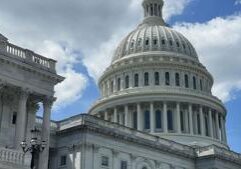
Everyday Economics: Jobs data returns as government reopens
With the government shutdown finally over, this week brings a double dose of good news: federal workers start receiving paychecks again, and economic data collection resumes. Both matter more than you might think.
Why the Reopening Matters
When federal workers and contractors receive their paychecks, they resume spending on everyday goods and services – providing a modest boost to economic activity. The longer a shutdown persists, the larger its drag on GDP growth through this reduced consumption channel and its spillover effects.
More importantly for markets, the data blackout is ending. The Federal Reserve has been flying blind, making monetary policy decisions without fresh government data. This week’s release of the delayed September jobs report – though backward-looking – will provide crucial visibility on whether employment had begun to fall before the data went dark.
Jobless claims had stopped rising, and private-sector indicators suggested hiring remained soft even as layoffs stayed low. While we’ll likely never see October’s data because of the collection gap, having the September and November reports will give the Fed at least some visibility heading into its December rate decision.
This Week’s Housing Focus
The main event this week will be housing data, starting with the NAHB Housing Market Index (builder confidence) on Tuesday.
Builder confidence should show improvement. The recent drop in mortgage rates has meaningfully improved affordability, spurring stronger-than-typical autumn activity.
Zillow data is already telling an unusual story. New listings, which fell 3% year-over-year in August, reversed course to show 3% growth in September. For context, new listings typically plummet 9% from August to September (based on the seven-year average), making this year’s modest 2% monthly decline remarkably resilient.
After August’s summer doldrums, this unseasonable strength from both buyers and sellers suggests October’s existing home sales data (released next week) could surprise to the upside. Watch for a modest increase in transaction volumes – a welcome change from the frozen market conditions we’ve seen for much of 2024.






Showers And Thunderstorms Likely
Latest News Stories

Fitzpatrick says pro-union bill dealing with contracts will pass U.S. House

Feds investigate LA schools for sexual misconduct allegations

Advocates criticize bipartisan housing bill

Johnson, municipal leaders statewide clash with Pritzker over local funding cuts

WATCH: Report: Washington high schools rank near bottom in personal finance literacy
Citizen Voting Amendment may avoid partisan SAVE Act pitfalls
Democrats ‘Red to Blue’ targets 18 seats in 12 states in November

Illinois bill would force employers to pay employees regular wages for jury duty

VA suicide screening doubles after watchdog found mass failures

Trump says Iran agrees to no nuclear weapon, claims deal is close

Late-Inning Surge and Dominant Relief Lift Beecher Past Bloom 12-5

Democrats call on Lutnick to resign over Epstein ties