Revenues from energy production at $14.6B for 2025
Energy production on federal lands and waters and in U.S. tribal areas generated $14.61 billion in government revenues in the 2025 fiscal year, according to the Department of the Interior’s Office of Natural Resources Revenue.
Revenues generated from royalties, rents, and bonuses paid by energy and mineral producers are disbursed to a wide range of initiatives and programs, including those that support public infrastructure, education, emergency services, conservation and reclamation projects and historic preservation.
The amount represents the fifth-largest disbursement since 1982, according to the Interior Department.
The revenues were down from $16.45 billion in the 2024 fiscal year and $18.24 billion in the 2023 fiscal year. In the 2022 fiscal year, revenues reached a record-high $21.53 billion, according to the department.
A decrease in this year’s disbursements was mostly due to a drop in commodity prices, according to the department.
Just over $5 billion was disbursed to the Treasury Department, $4.07 billion was allocated to 34 states and $2.98 billion went to the Bureau of Reclamation, which builds and operates dams, power plants, canals and other water resources in the western U.S. About $1.0 billion went to tribes and individual Native American minerals owners during the 2025 fiscal year.
New Mexico received $2.76 billion, the highest amount of royalties from energy production on federal lands within its borders.
It was followed by Wyoming at $544.87 million, Louisiana at $162.42 million, North Dakota at $114.95 million and Texas at $99.83 million.
The revenues disbursed to 33 federally recognized tribes and approximately 31,000 individual Native American mineral owners represent 100% of the revenues received from energy and mining activities on tribal lands in the 2025 fiscal year, according to the Interior Department.
Tribes use the revenues to fund infrastructure development, provide health care and education and support other community programs such as senior centers, public safety projects and youth initiatives, according to the department.






Partly Sunny then Slight Chance Showers And Thunderstorms
Latest News Stories
Gabbard: 2,000 Afghan refugees in U.S. have ties to terrorism
Op-Ed: No more CDL mills: Trump’s DOT puts safety back in the driver’s seat

Illinois Gov. Pritzker signs assisted suicide bill

Hochul weighs AI regulations as Trump sets federal rules
EXCLUSIVE: First Nation police chiefs want to participate in border security efforts
Justice Department sues Fulton County over election records
USPS electric fleet push sparks cost, security and job concerns

WATCH: Use of Guard debated; Trump singles out Pritzker on AI; Property tax ruling

Illinois quick hits: Chicago Fed president explains vote; Treasurer encourages Bright Start gifts
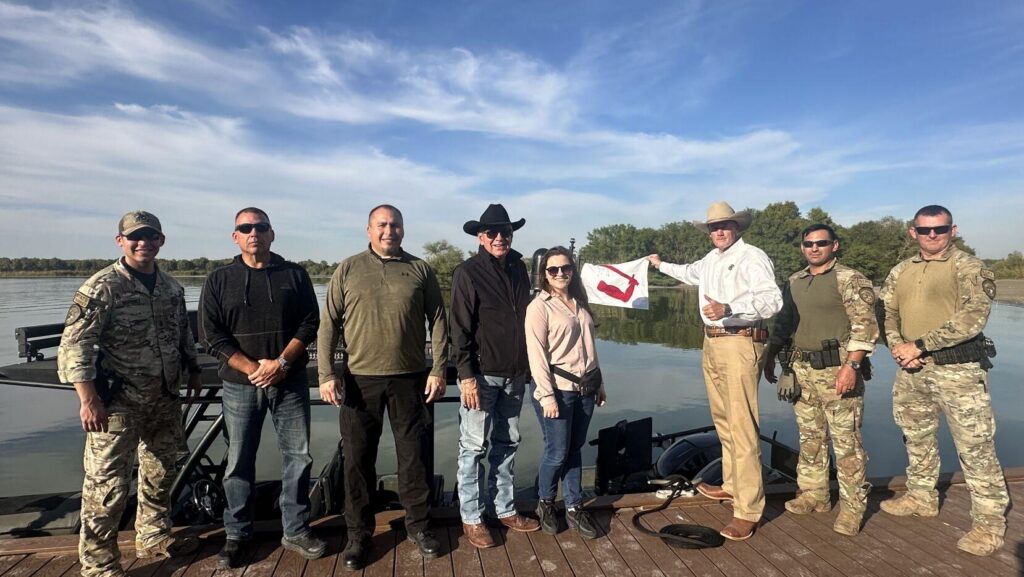
EXCLUSIVE: Canadian groups, First Nation police support stronger border security
More than 9,500 commercial truckers taken off U.S. roads nationwide

Meeting Summary and Briefs: Beecher Public Library District for October 2025