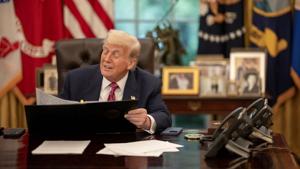
Expert blasts Illinois Congressman’s push to double H-1Bs as ‘tone-deaf’
A renewed push to double H-1B visas is touted as a talent win, but critics warn it could reshape the tech market by driving down wages and edging out U.S. grads.
Illinois Congressman Raja Krishnamoorthi, D-Schaumburg, reintroduced the HIRE Act to double the H-1B visa cap from 65,000 to 130,000.
“To build the jobs and industries of tomorrow, America must stay at the forefront of innovation by strengthening our own workforce while continuing to welcome top talent from around the globe,” Krishnamoorthi said in a news release.
Simon Hankinson, senior research fellow at The Heritage Foundation, called the proposal “tone-deaf,” given the current job climate.
“We’ve got unprecedented graduate unemployment,” he said, estimating that rates for new graduates run from 10% up to 25%. “And at the same time, this guy is saying, ‘no, we need to double the number of foreign workers who are going to compete with these kids.’ I don’t understand where that comes from.”
Hankinson was asked whether Krishnamoorthi’s Indian heritage influences his position on expanding the program.
“I don’t like to go there,” he said. “Nikki Haley’s son is one of the biggest opponents of H-1B and he’s of Indian heritage … We have Indian Americans on both sides of this debate.”
According to Hankinson’s research, about 72% of all H-1B recipients are from India, and another 11% come from China, giving the two countries a combined 85% share of the program.
Hankinson warned that doubling H-1Bs would expand what he calls a “mass labor replacement program.” He noted that spouses of H-1B workers also receive work authorization, meaning the real number of incoming foreign workers would rise far beyond the bill’s stated increase.
“I think it’s a very bad idea, especially in this economy. We’ve got artificial intelligence eating up jobs. We don’t even know exactly which ones yet, but companies are already slowing hiring as they wait to see what AI will replace,” said Hankinson. “On top of that, we’re dealing with a very high unemployment rate even before factoring in AI.”
Hankinson also raised national security concerns, noting that Chinese workers in particular may carry additional risks related to technology theft.
“Some are just coming here to get jobs and live here permanently, but there is a subset of Chinese students and workers, and we have ample proof of this, who are here to steal our technology,” Hankinson told The Center Square.
He said with India, it’s mostly economic competition.
“They want to eat our lunch. Many of our big tech companies have workforces heavily populated by people from India who are eager to advance in the tech sector and compete for jobs,” said Hankinson. “India and China are competitors in industry and high tech, that’s no surprise, and that’s fine. But if we give them an inside lane and a competitive advantage that disadvantages American workers, that is counterproductive and short-sighted.”






Mostly Sunny then Showers And Thunderstorms Likely
Latest News Stories
U.S. debt tops 100% of GDP, ‘deeply troubling’ for economy, national security
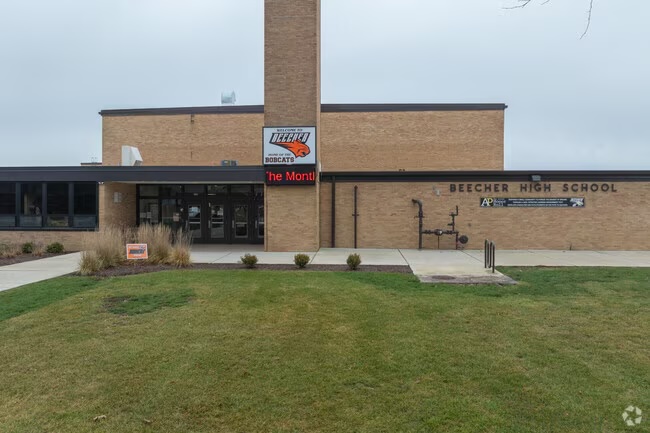
Beecher High School Introduces AP Human Geography Course to Tackle Global Issues

U.S. troops in Italy, Spain hang in balance as troop reduction in Germany announced

Federal appeals court halts access to mail-order abortion drug
Labor unions back McCormick’s plan to reform federal permitting

Court-ordered tariff refunds bypass consumers who paid

Beecher Bats Explode in Dominant 16-0 Shutout Over Grant Park

Professor: Surging gas prices will have long-term effects

Illinois Quick Hits: DHS says ICE captures child sex abuser released by Illinois DOC

Wuest Drives in Seven as Beecher Pulls Away to Rout Reed-Custer 16-4

Durbin calls probe ‘sham’; state lawmaker backs transparency
Lawmen believe trip from Carolinas to Washington a threat to Trump