After Kirk assasination, students less comfortable with ‘controversial’ events on campus
Following the assassination of Charlie Kirk, half of the nation’s college students report feeling less comfortable attending controversial public events on campus and nearly half are less comfortable voicing opinions on controversial subjects in class.
Chief Research Advisor Dr. Sean Stevens at the Foundation for Individual Rights and Expression told The Center Square that Charlie Kirk’s September assassination at Utah Valley University “has had a chilling effect — not just at UVU, but across the country.”
The Foundation for Individual Rights and Expression (FIRE) surveyed 2,028 undergraduates nationwide – including an “oversample” of 204 students from Utah Valley University – in order to “understand how the assassination is shaping student attitudes and behavior.”
Stevens told The Center Square that “some of the data from Utah Valley University students are encouraging – revealing signs of increased tolerance, and even relative trust in administrative protections for free speech.”
However, Stevens also said that the assassination of Kirk “appears to have deepened existing ideological fractures between liberals and conservatives on campus.”
A press release on the survey showed that following the assassination, “moderate and conservative students across the country became significantly less likely to say that shouting down a speaker, blocking entry to an event, or using violence to stop a campus speech are acceptable actions.”
“In contrast, liberal students’ support for these tactics held steady, or even increased slightly,” the release said.
Additionally, according to the survey, half of the participating students reported they are “less comfortable attending or hosting controversial public events on their campus.”
Forty-five percent of students surveyed are “less comfortable expressing their views on controversial topics in class,” with one in five students saying that “they are now less comfortable attending class” – all following the killing of Kirk.
Stevens told The Center Square that “the worst thing colleges and universities could take away from Charlie Kirk’s assassination is that open debate and controversy are too dangerous.”
“Instead, schools need to stop using ‘safety’ as a pretext for censorship, apply the same free-speech rules to everyone, and protect the speech rights of students, faculty, staff, and speakers better,” Stevens said.
Stevens outlined three ways in which schools can begin to accomplish this free speech initiative.
For one, schools can begin “emphasizing that violence and true threats are unacceptable no matter who the speaker is,” Stevens said.
Additionally, Stevens said schools can make “their policies viewpoint neutral so that the same procedures are applied regardless of the speaker’s ideological views.”
Furthermore, schools can begin “defending speech about the assassination regardless of how offensive or loathsome it may be, provided the speech is protected by the First Amendment,” Stevens said.




Partly Sunny then Slight Chance Showers And Thunderstorms
Latest News Stories
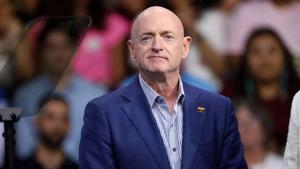
Sen. Kelly sues Hegseth over effort to reduce retirement pay

Illinois interstate shootings decline
WATCH: State sues Trump admin over enforcement tactics; No tax on tips proposal filed
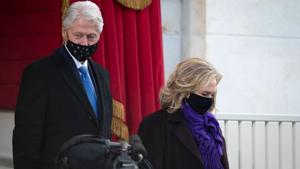
Will the Clintons testify on Epstein relationship this week?
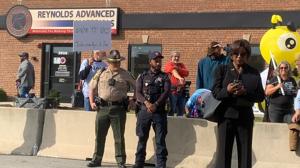
Dems move to almost entirely block fed immigration enforcement in IL

Capital Imp Committee: Facilities Director Reports on VAC Progress and Critical Health Department Elevator Repairs
‘Good Food For All’ Initiative Proposes Local Agricultural Asset Mapping for Will County
Public Works Committee Advances $3.2 Million Engineering Contract for Mills Road Reconstruction
Theis abruptly retires from IL Supreme Court; Tailor to replace
Colorado expands lawsuit over alleged Trump retaliation
California leads suit to preserve U.S. Department of Education
WATCH: Arizona governor’s State of State stresses economy