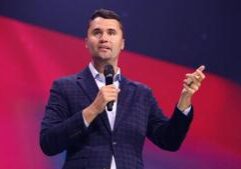
After Kirk assasination, students less comfortable with ‘controversial’ events on campus
Following the assassination of Charlie Kirk, half of the nation’s college students report feeling less comfortable attending controversial public events on campus and nearly half are less comfortable voicing opinions on controversial subjects in class.
Chief Research Advisor Dr. Sean Stevens at the Foundation for Individual Rights and Expression told The Center Square that Charlie Kirk’s September assassination at Utah Valley University “has had a chilling effect — not just at UVU, but across the country.”
The Foundation for Individual Rights and Expression (FIRE) surveyed 2,028 undergraduates nationwide – including an “oversample” of 204 students from Utah Valley University – in order to “understand how the assassination is shaping student attitudes and behavior.”
Stevens told The Center Square that “some of the data from Utah Valley University students are encouraging – revealing signs of increased tolerance, and even relative trust in administrative protections for free speech.”
However, Stevens also said that the assassination of Kirk “appears to have deepened existing ideological fractures between liberals and conservatives on campus.”
A press release on the survey showed that following the assassination, “moderate and conservative students across the country became significantly less likely to say that shouting down a speaker, blocking entry to an event, or using violence to stop a campus speech are acceptable actions.”
“In contrast, liberal students’ support for these tactics held steady, or even increased slightly,” the release said.
Additionally, according to the survey, half of the participating students reported they are “less comfortable attending or hosting controversial public events on their campus.”
Forty-five percent of students surveyed are “less comfortable expressing their views on controversial topics in class,” with one in five students saying that “they are now less comfortable attending class” – all following the killing of Kirk.
Stevens told The Center Square that “the worst thing colleges and universities could take away from Charlie Kirk’s assassination is that open debate and controversy are too dangerous.”
“Instead, schools need to stop using ‘safety’ as a pretext for censorship, apply the same free-speech rules to everyone, and protect the speech rights of students, faculty, staff, and speakers better,” Stevens said.
Stevens outlined three ways in which schools can begin to accomplish this free speech initiative.
For one, schools can begin “emphasizing that violence and true threats are unacceptable no matter who the speaker is,” Stevens said.
Additionally, Stevens said schools can make “their policies viewpoint neutral so that the same procedures are applied regardless of the speaker’s ideological views.”
Furthermore, schools can begin “defending speech about the assassination regardless of how offensive or loathsome it may be, provided the speech is protected by the First Amendment,” Stevens said.


Showers And Thunderstorms Likely
Latest News Stories
Hochul pushes back on Trump’s cashless bail funding threat
Education Department finds GMU Violated Title VI
Redistricting opponents immediately appeal to CA voters
Former Transportation Secretary urges state taxpayer funding for Chicago transit
Illinois quick hits: Education tax benefits available; Giannoulias orders license plate reader to shut off access to CBP
WATCH: Trump order withholds funds over no-cash bail policies like Illinois’
Trump eyes First Amendment showdown with order to prosecute flag burning
Trump strikes positive tone with South Korean president

House Oversight Committee to investigate D.C. police over crime data
Twenty years later, Katrina still among Atlantic’s most deadly, costly

CBO says tariffs could raise $4 trillion over next decade, raise prices
IL Treasurer to work with lawmakers after Pritzker’s veto of nonprofit bill
WATCH: Chicago reacts to Trump’s public safety push; AI in schools; rural health care
Illinois expands campus abortion access, shields doctors from legal risk