
Everyday Economics: The case for a December rate cut
Last week brought the delayed September numbers on personal income, consumption, and the Fed’s preferred inflation gauge, the Personal Consumption Expenditures (PCE) price index. It’s backward-looking, but it’s the last clean read on inflation before the Fed meets in December.
Headline PCE prices were up 2.8% year over year in September, a touch higher than August’s 2.7%. Core PCE, which strips out food and energy, also rose 2.8% from a year earlier, down slightly from 2.9% in August. Goods prices moved higher as tariffs filtered through, while services inflation ticked down: prices for goods were up 1.4% from a year earlier in September (vs. 0.9% in August), while services inflation eased to 3.4% from 3.6%.So far, that’s a far cry from the worst-case fears that tariffs would send prices sharply higher. The September report instead shows a modest re-acceleration in goods prices layered on top of a slow, grinding disinflation in services.On the spending side, the consumer is cooling, not collapsing. Current-dollar personal consumption expenditures rose 0.3% in September, with services spending up 0.4% and goods spending roughly flat; after adjusting for inflation, real spending was essentially unchanged on the month. On a year-over-year basis, nominal PCE growth has downshifted from the mid-6% range late last year toward the mid-4% range in recent months – still positive, but clearly slower than the post-pandemic surge.High-income households, cushioned by strong balance sheets and stock-market gains, are still spending freely on services like travel, healthcare and dining out. Middle- and lower-income households are increasingly price-sensitive and pulling back on discretionary goods, a pattern echoed in recent private-sector card and bank data.That mix explains why the impact of tariffs on inflation has been muted so far. We’re seeing more of a squeeze on profit margins than a broad second wave of price hikes: businesses are absorbing part of the higher import costs rather than fully passing them on to customers. At the same time, high household wealth has helped prevent an outright collapse in demand. The result is a gradual downshift in spending growth, not a sudden stop.Why it matters for the Fed this weekFor the Fed, the September data confirm that the balance of risks has shifted. Inflation is still above the 2% target but looks relatively contained and is no longer clearly accelerating. The 12-month PCE inflation rate has edged up only gradually – from around 2.6% in early summer to 2.8% in September – while core PCE is effectively moving sideways in the high-2s.By contrast, labor-market risks are mounting. Recent official and private-sector indicators point to softer hiring, slower wage growth, and more caution from employers even as layoffs remain low – a late-cycle pattern of labor hoarding rather than aggressive expansion. That combination – a cooling, K-shaped consumer and a labor market that’s losing momentum – argues that the greater danger now is keeping policy too tight for too long.This week’s main event is the FOMC interest rate decision. The September report suggests inflation may not re-accelerate meaningfully from here, especially with demand already sluggish in large swaths of the economy – housing among them. The bigger risk is that further cooling in the labor market lands hardest on households that haven’t benefited from the AI- and asset-driven wealth boom and are already pulling back on discretionary spending.The Fed is widely expected to cut again in December, though a follow-up move in January is far from guaranteed. November labor-market data – whenever they finally arrive – will be crucial in determining whether this is a one-and-done insurance cut or the start of a more extended easing cycle.






Showers And Thunderstorms Likely
Latest News Stories
Embattled Fed governor sues Trump over ‘illegal’ firing

Watch: Cook County gun ban plaintiffs petition SCOTUS; Pritzker hasn’t heard from White House

Illinois quick hits: Man on pretrial release accused of murder; holiday weekend impaired driving patrols

Beecher Library Schedules New Window Installation for Early August
Illinois quick hits: Gun ban challengers petition SCOTUS; man sentenced for COVID fraud
WATCH: Trump: Illinois’ ‘slob of a governor’ should call for help with public safety

Beecher Library Awarded Over $10,000 in State Per Capita Grant
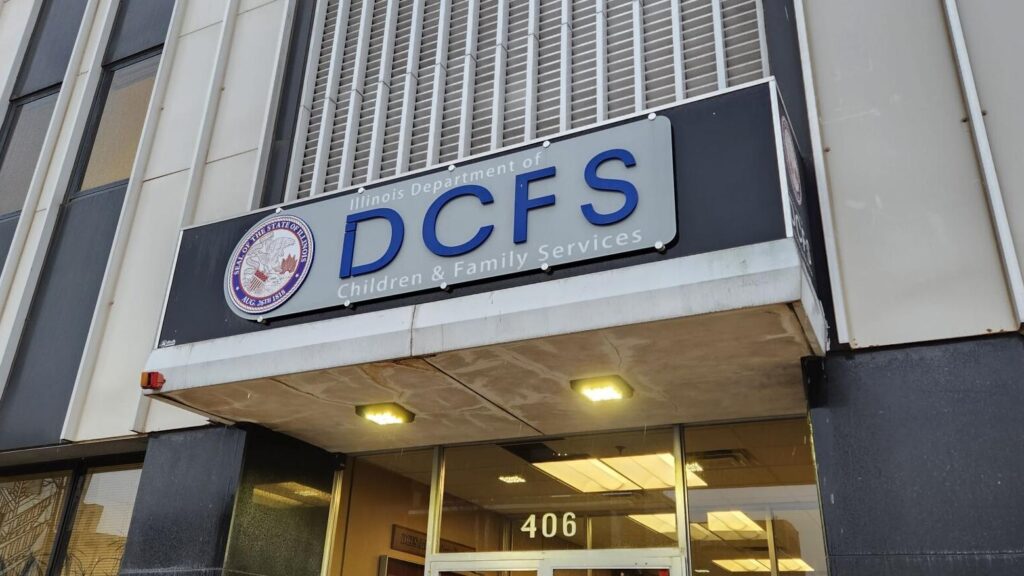
WATCH: Legislator says Illinois’ child welfare agency uses interns, has legal exposure

Economic index shows reduced uncertainty, more stability in Midwest

New law sparks debate over Illinois school mergers, communities fear loss

Illinois in Focus: Rest area burglary arrests made; overdose awareness events planned

Trump-appointed judge blasts administration for campaign against judiciary