Op-Ed: Stacked costs are crushing Illinois manufacturers
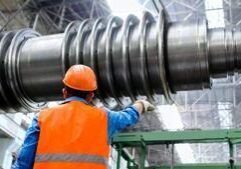
Operating a manufacturing business in Illinois has been an exercise in perseverance and is growing worse. I manage DuPage Precision Products in Aurora, where we produce a wide range of metal components and precision parts. We take pride in machining high-quality products. But in recent years, it has felt less like we are competing with different manufacturers and more like we are competing against our own state’s policies.
The decisions coming out of Springfield have created a climate where the cumulative weight of regulation, legal exposure, and rising operating costs have eroded our ability to compete. It’s not a single bill or a regulatory measure. It’s the layers of added costs stacked on top of one another until employers are squeezed past their limits. And for small and mid-sized manufacturers like ours, those stacked costs are making Illinois one of the most challenging places in the country to do business.
Earlier this year, lawmakers passed SB 328, a bill that effectively invites out-of-state trial lawyers to drag Illinois businesses into lawsuits that have no tangible connection to our state.
For manufacturers, this is an open door to costly lawsuit abuse. Illinois has a reputation for jackpot verdicts and an aggressive trial bar, and SB 328 only expands the ability of lawsuit mills to target employers who are already facing thin margins. These cases don’t need to be strong to be expensive. Simply filing them forces companies to spend money on legal counsel, insurance, compliance, and time that should be focused on day-to-day operations and growth.
Worse still, Illinois’s lawsuit-friendly environment doesn’t just harm business owners; it harms all Illinois residents.
Every resident in DuPage County feels the brunt economic impact of these policies. The financial burden created by excessive litigation amounts to a Tort Tax of $2,158 per person. That number reflects higher consumer prices, lost economic activity, and the ripple effects of businesses forced to divert resources away from investment and toward defending our businesses against frivolous claims. When the trial bar sees Illinois as a profit center, it’s Illinois families who ultimately foot the bill.
Unfortunately, the recent veto session produced additional hits to employers already bearing the brunt of excessive regulatory and litigation burdens.
First, a new energy policy that will raise electricity costs at a time when our rates are already among the highest in the Midwest. For manufacturers, energy isn’t a secondary expense; it’s the foundation of our operations. Every manufacturing facility relies on energy-intensive machinery, climate-controlled workspaces, and automated systems that run throughout the day. Even small increases in electricity rates create significant financial strain. And the impact doesn’t stop at our own utility bill. When energy costs rise, the suppliers who produce our steel, aluminum, and other essential materials also face higher expenses, which are passed down to businesses like ours and, eventually, to consumers.
Then comes the mass transit legislation, which raises tolls and shifts infrastructure costs onto freight and logistics. Manufacturing is built on reliable, predictable transportation. When tolls increase, every shipment of materials coming in and every finished component going out becomes more expensive. These added costs ripple through the entire supply chain, pushing Illinois further behind neighboring states, which are taking steps to lower costs and attract manufacturing investment.
Illinois has enormous potential. We have a skilled workforce and a long history of industrial strength. But potential alone cannot overcome policies that discourage investment and drive employers to look elsewhere. While other states are working to reduce regulatory burdens and create stable business climates, Illinois continues to make decisions that undermine competitiveness and push businesses toward the exit ramp.
If Illinois wants to keep its manufacturing base, and the high-quality jobs, tax revenue, and community investment that come with it, our lawmakers need to change course and enact policies that support business owners. Reducing lawsuit abuse, stabilizing energy policy, and resisting the temptation to layer on new costs are essential steps for employers to choose Illinois, not out of loyalty, but because it makes economic sense.
For lawmakers, the path forward must be clear: prioritize competitiveness and make Illinois attractive to business owners. Listen to the manufacturers who are trying to stay and grow here. And for the public, understand that when stacked costs crush businesses, our entire community pays the price.
Illinois stands at a pivotal junction. We can continue down a path where rising costs and runaway litigation drive employers away, or we can make the reforms necessary to ensure Illinois remains a state where manufacturing thrives, families prosper, and opportunity still has room to grow.





Sunny
Latest News Stories
Will County Treasurer Confirms Free Online Tax Payment Option, Warns Against High Credit Card Fees
Committee Highlights ‘Lack of Teeth’ in County Code Enforcement Process

Meeting Briefs: Will County Ad-Hoc Ordinance Review Committee for July 22, 2025
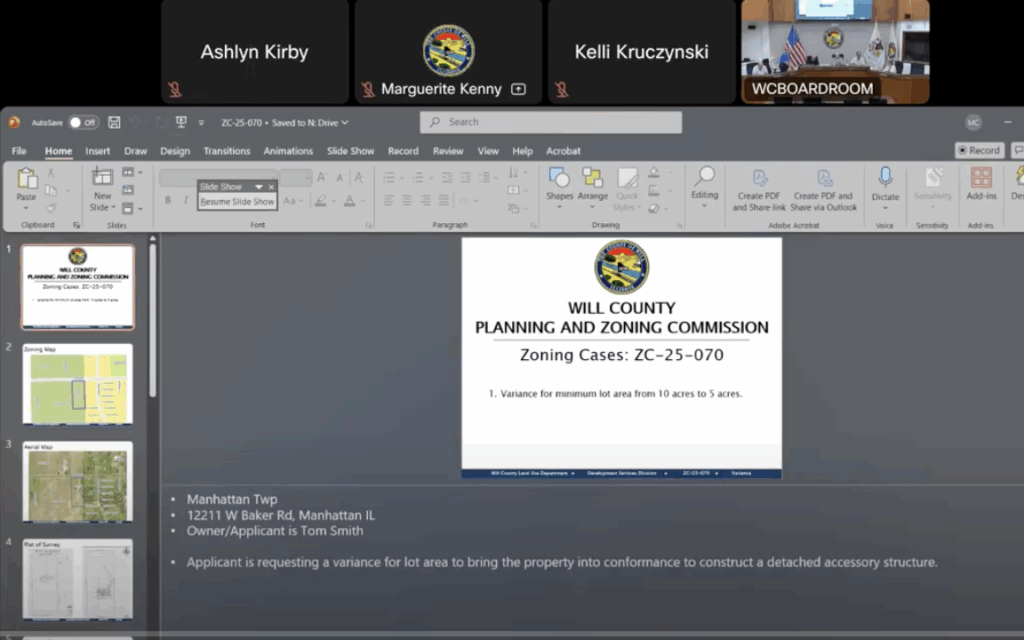
Crete Township Wins Approval for New Digital Sign at Community Center
Will County Planners OK Oversized Garage Near Naperville, Overriding Staff Recommendation
Green Garden Landscaping Business Gains Permit Amid Strong Neighbor Support
Meeting Briefs: Will County Planning and Zoning Commission for July 15, 2025
Beecher Overhauls Village Governance, Dissolves Key Commissions in Code Update

Beecher to Explore New Banking Relationship, Considers Annual Bids for Services

Beecher Nuisance Property Owner Makes ‘Substantial Effort’ to Clean Up

Meeting Summary and Briefs: Village of Beecher Board of Trustees for July 14, 2025
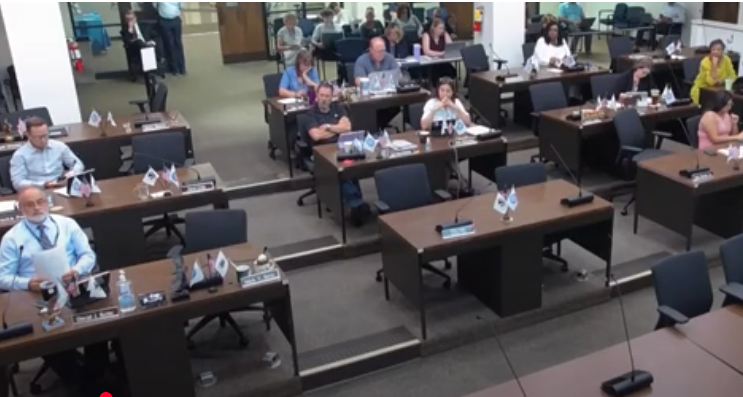
County Approves School Resource Officer, Multi-Year Planning Requirements
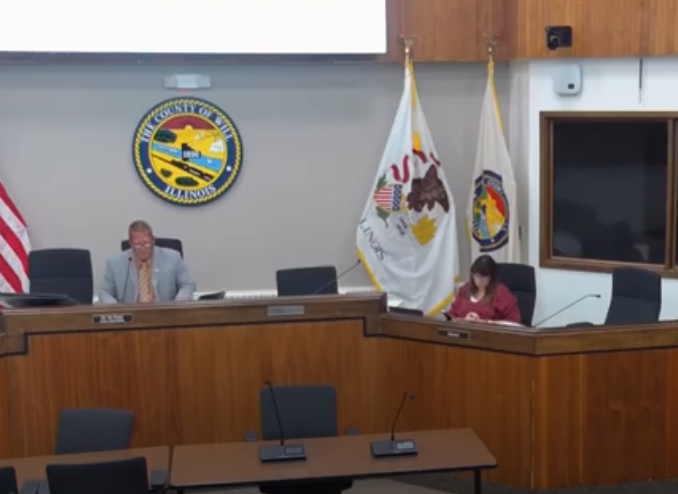
County Addresses Senior Tax Exemption Processing Error
Executive Committee Meeting July 10 Meeting Briefs