Illinois legalizes physician-assisted suicide; critics warn of moral, safety risks
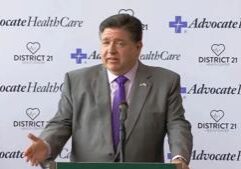
(The Center Square) – Illinois Gov. J.B. Pritzker signed Senate Bill 1950, prompting strong backlash from medical, disability, religious and legal groups who say it was rushed and violates key ethical and legal protections.
State Rep. Bill Hauter, R-Morton, a practicing physician, said Pritzker showed signs of hesitation but ultimately “his leftist ideology took over and he signed it.”
“The process… it stinks,” Hauter said. “We passed this in the dead of night, 2 a.m., with no warning to disability groups, medical ethics groups or religious groups who were strongly opposed,” said Hauter.
Pritzker signed “Deb’s Law,” letting terminally ill Illinois adults seek medication to end their lives.
“I have been deeply impacted by the stories of Illinoisans or their loved ones that have suffered from a devastating terminal illness, and I have been moved by their dedication to standing up for freedom and choice at the end of life in the midst of personal heartbreak,” said Pritzker.
The law takes effect September 2026, giving providers and Illinois Department of Public Health (IDPH) time to implement safeguards. Patients must meet strict criteria, including confirmation from two physicians, mental capacity and informed consent about all end-of-life care options.
Supporters cite stories like Deb Robertson’s and families traveling for aid-in-dying, saying the law lets terminally ill Illinoisans make personal end-of-life choices without government interference.
“I’m pleased to help ensure that terminally ill Illinoisans have access to medical aid in dying,” stated Robertson in a news release from the governor’s office.
The bill passed both chambers by some of the tightest margins Hauter said he’s ever seen. According to Hauter, members of the legislative Black caucus fear the law will create a two-tiered health-care system, especially harming those without financial means.
“It creates a two-tiered system where insurance companies look at patients who can’t afford expensive cancer treatment and essentially say, ‘Maybe you should consider suicide,’” Hauter told The Center Square.
The law includes a conscientious-objector clause, but Hauter argues it is hollow because physicians who refuse to participate are still expected to refer patients to someone who will.
“That’s still partaking in the process,” he said.
He also warns about safety risks, noting the law doesn’t require medical staff to be present as patients take dozens of lethal pills, drugs that can cause vomiting, seizures or fail to end life.
“People think we can predict life expectancy, we can’t,” Hauter said, adding many patients outlive six-month prognoses by years.
Thomas Olp, executive vice president and attorney for the Thomas More Society, said Senate Bill 1950 crosses both moral and legal boundaries.
“This law crosses a big red line,” Olp said. “For time immemorial, we’ve had a taboo against killing human beings. This normalizes self-killing, and it mandates that physicians assist.”
Olp confirmed that the Thomas More Society is already litigating a closely related issue in the Seventh Circuit Court of Appeals, challenging state requirements that force physicians to refer patients for procedures they object to on moral or religious grounds.
“Referral as a condition of conscientious objection violates the Illinois Right of Conscience Act,” Olp said, calling it a First Amendment issue.
Olp said the law threatens religious hospitals by permitting individual physicians to provide information or participate in assisted suicide on their own time, without facing discipline from their employer. He said this directly undermines Catholic hospitals governed by the U.S. Conference of Catholic Bishops, which strictly prohibits participation in euthanasia or assisted suicide.
“True compassion means helping people live, not helping them die,” said the Catholic Conference of Illinois in a statement.






Chance Showers And Thunderstorms
Latest News Stories

Here’s how to get the $20 credit offered by YouTube TV in Disney dispute

Democrats want call program for immigrant detainees

Flight troubles not likely to end when shutdown does

Trump admin signals support for Paramount bid as Warner Bros. considers sale

WATCH: Trump says Veterans Day is ‘Victory Day’
Lawmakers divided after federal complaint targets student mental health screening law
Cruz, Cornyn file bill to make federal benefit fraud a deportable offense

DHS, USCIS report record job applications under Trump administration

Virginia Beach, Chesapeake rank among best cities for veterans

Normal, IL fire and EMS challenges highlight need for statewide task force

Analysis: Chicago among worst cities to drive in

Meeting Summary and Briefs: Will County Public Works & Transportation Committee for November 2025