Nine pharmaceutical companies agree to most-favored-nation pricing
An additional nine of the world’s largest pharmaceutical companies have agreed to offer many of their most popular drugs at most-favored-nation pricing in the U.S.
This means that the U.S. will pay the lowest price for many prescription drugs among its economic peers. The initiative has been a major priority for President Donald Trump, according to top Health and Human Services officials, as he has sought to reduce prescription drug prices for Americans.
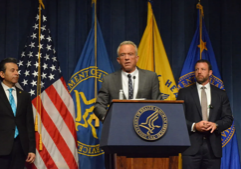
“We got a lot of calls from the president, and at one point in this negotiation, we just stopped answering our phones late at night because we couldn’t take it anymore,” said HHS Secretary Robert F. Kennedy, Jr.
The nine companies that joined the president and others from the Oval Office on Friday were the latest of a handful of pharmaceutical manufacturers that have done so over the past several months to announce similar deals with the administration. Fourteen of the 17 largest pharmaceutical companies in the world have now agreed to offer at least some of their drugs at most-favored-nation pricing in the U.S., according to Trump. Kennedy said it amounts to “95% of drugs” sold in the U.S.
For years, Americans have paid higher drug prices than their counterparts in other wealthy nations. Those higher prices help pharmaceutical companies fund their research and development, fueling innovation. Trump has argued that those companies have taken advantage of the U.S. and that America has essentially paid for innovation the whole world benefits from.
The companies present Friday were Amgen, Boehringer Ingelheim, Bristol Myers Squibb, Genentech (a part of Roche), Gilead Sciences, GSK, Novartis, Merck & Co. and Sanofi.
Partly Sunny then Chance Showers And Thunderstorms
Latest News Stories
Bill designed to protect school kids from sexual misconduct
Illinois quick hits: More bills enacted into law; former ComEd CEO seeking Trump pardon
Pritzker enacts bills, including measure decoupling IL from federal tax code
WATCH: California co-leads suit over $100,000 H-1B visa fee

WATCH: Trump outlines AI order, calls Pritzker ‘totally unreasonable’
Entrepreneur’s supporters say case law may result in release
GOP lawmakers silent on Trump’s EO punishing state AI guardrails

Gabbard: 2,000 Afghan refugees in U.S. have ties to terrorism
Op-Ed: No more CDL mills: Trump’s DOT puts safety back in the driver’s seat
Illinois Gov. Pritzker signs assisted suicide bill
Hochul weighs AI regulations as Trump sets federal rules
EXCLUSIVE: First Nation police chiefs want to participate in border security efforts