Op-Ed: How one puppy mill-teliant retailer is preempting local laws
One of the most overlooked threats to community-based control in America isn’t coming from Washington politicians or even state government officials, but from a corporation that is using state power to override local regulations. This national retailer sources many of the puppies it sells from cramped and unhealthy large-scale commercial breeding operations. To preserve its business model, it’s employing a brute-force legal and lobbying strategy that should concern anyone who believes in limited government and the right of towns, cities, and counties to govern themselves.
A quick internet search of the corporate retail chain in question, Petland, yields a plethora of news stories documenting instances of puppy mistreatment and buyers scammed into purchasing sick dogs at steep prices.
In Georgia and Virginia, dead puppies were discovered in Petland store freezers. In Ohio, one family was infected after unknowingly buying a sick puppy from Petland, and other buyers saw their new pets die shortly after bringing them home. One couple in Iowa owed thousands of dollars on a puppy even after it died. In Michigan, more than a dozen buyers filed a lawsuit alleging a Petland store sold them sick, worm-infested puppies.
This evidence is the result of puppies bred at mass-production facilities, then funneled through Petland stores to unsuspecting buyers. And it’s why cities and counties – blue and red alike – have passed ordinances to keep unethically bred puppies out of storefronts. These weren’t sweeping mandates. They didn’t target responsible breeders, who sell directly to people they meet in person and provide proper care and living conditions to their dogs. The regulations were local decisions made by elected officials who listened to their residents and wanted to counter a puppy mill pipeline that relies on animal cruelty to fuel corporate profits.
Petland’s answer has been to go over the heads of those communities and deploy armies of lobbyists into state legislatures, where they incentivize and pressure lawmakers to preempt local, anti-puppy mill ordinances. In some states, this strong-armed tactic worked. City and county decisions were invalidated with one stroke of a governor’s pen. With local voices silenced, pet buyers and puppies continue to be victimized.
Illinois shows how far Petland’s playbook of preemption can go. After the state enacted a law designed to end the retail sales of mill-bred puppies, ethical breeding advocates breathed a sigh of relief. Then, Petland found a workaround. State regulators granted the company a license anyway, effectively gutting the law without ever having to challenge it in court. The lesson: even when legislatures act, corporate lobbying of unelected bureaucrats can undo the will of voters and lawmakers alike.
Petland’s fight to preserve its puppy mill pipeline is not simply a fight over animal welfare. It is also about whether local communities get to govern themselves at all.
Of course, preemption itself isn’t always inappropriate. There are legitimate reasons for consistent statewide policies in some areas. But Petland isn’t seeking uniformity, it’s seeking immunity – from accountability, from public sentiment, and from local leaders who know their communities better than any lobbyist in a statehouse hallway.
Petland’s push to invalidate local ordinances that threaten its cruelty-based business model is a ruthless shortcut. It ignores the public outcry and debate over the conditions inside puppy mills. Instead of winning hearts and minds, it makes them irrelevant by convincing a few select lawmakers or regulators that local democracy is a nuisance.
When it comes to protecting consumers from a retailer’s deceptive sales practices, and protecting puppies from being commercially farmed in deplorable conditions, local communities should be able to apply their values to the businesses that operate there.
The relationship between an owner and their pet is special, and the process of selecting that puppy should be just as personal. Petland’s puppy mill pipeline is coldhearted, as anyone who has seen the photos or read the news coverage immediately understands. Adopting from a shelter or buying from a small breeder who obviously loves and cares for their dogs is good for puppies and good for families, and public policy should reflect that fact.
Kudos to states and localities that are doing the right thing – and shame on the stores and lobbyists trying to rig the system in favor of corporate cruelty.




Mostly Sunny
Latest News Stories
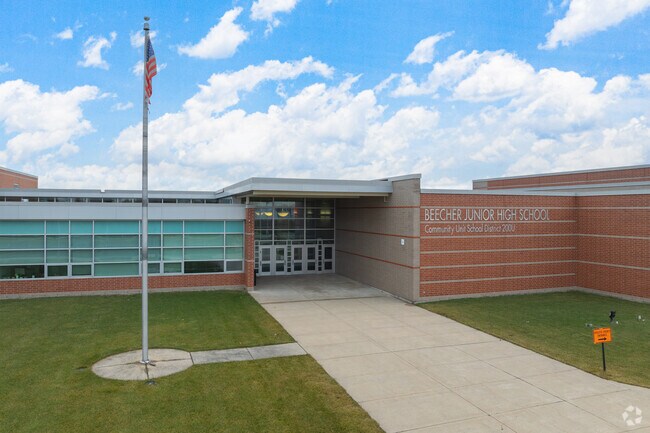
Finance Committee: Beecher Schools Project Balanced Budget, Earmark Funds for Major Projects
Will County Health Department Seeks $1 Million to Avert ‘Drastic’ Service Cuts from Expiring Grants
Will County’s “First-in-Nation” Veterans Center to House Workforce Services, Sparking Debate
Improved Vendor Service Creates $1.2 Million Shortfall in Sheriff’s Medical Budget
Will County Public Works Committee Unveils 25-Year Transportation Plan, Projects $258 Million Gap
Will County Animal Protection Services Seeks New Facility Amid “Gaping Wound” of Space Crisis
Board Confronts Animal Services Crowding, Explores Future Facility Options
Will County Board Members Demand Transparency in Cannabis Tax Fund Allocation
Homer Glenn Residents Push Back on 143rd Street Widening as Officials Signal “Tentative Agreement”
Will County Forges 2026 Federal Agenda Amid D.C. Policy Shifts, ‘Big Beautiful Bill’ Impacts
Health Department Seeks $1 Million Levy Increase to Prevent “Weakened System”
County Rolls Out New “OneMeeting” Software to Improve Public Access

Meeting Summary and Briefs: Will County Board Finance Committee for August 5, 2025
Will County PZC Approves Rezoning for Truck Repair Facility on Manhattan Road Amid Resident Concerns