Trump vetoes bill easing repayment for Colorado pipeline
President Donald Trump issued the first vetoes of his second term Tuesday, blocking two bills that would have provided additional support for infrastructure projects in Colorado and Florida.
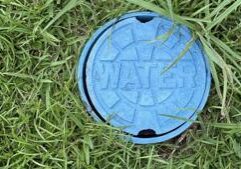
The Finish the Arkansas Valley Conduit Act was designed to provide a 100-year, no-interest repayment plan to Colorado communities bearing the financial brunt of completing the Arkansas Valley Conduit — a water pipeline.
In Florida, the Miccosukee Reserved Area Amendments Act planned to expand the Miccosukee Reserved Area to include a portion of Everglades National Park. That designation would then require the federal government to take “appropriate actions” to protect structures within the area from flooding.
Both bills were introduced by Republicans and passed by Congress in December with bipartisan support.
Trump said he issued the vetoes in the interest of protecting taxpayer monies.
“My administration is committed to preventing American taxpayers from funding projects for special interests,” his veto statement said. “Ending the massive cost of taxpayer handouts and restoring fiscal sanity is vital to economic growth and the fiscal health of the nation.”
Trump has received backlash from both sides of the political aisle, including U.S. Rep. Lauren Boebert, over his decision.
The Republican congresswoman, who represents the southeastern Colorado district benefited by the bill, introduced the Finish the Arkansas Valley Conduit Act. She called the conduit a “critical water infrastructure project” and joined Colorado Democrats in expressing anger at the president’s decision.
“President Trump decided to veto a completely non-controversial, bipartisan bill that passed both the House and Senate unanimously,” she said. “Why? Because nothing says ‘America First’ like denying clean drinking water to 50,000 people in southeast Colorado, many of whom enthusiastically voted for him in all three elections.”
Boebert accused his veto of possibly being “political retaliation for calling out corruption and demanding accountability.” She added that she plans to fight the president on this decision.
“This isn’t over,” she said.
Congress can override Trump’s vetoes with a two-thirds vote in both the House and the Senate.
Though this specific bill was expected to cost the taxpayers less than $500,000, this was just the latest in a decades-long saga over the Arkansas Valley Conduit — a project designed to provide municipal and industrial water to 50,000 people in 39 different Colorado communities.
The project was originally authorized in 1962 as part of the Fryingpan-Arkansas Project, which was signed by President John F. Kennedy. Under that plan, the federal government would fund the project, but local users would be put on a 50-year repayment plan for the total cost.
After its initial passage, the project stalled for 47 years because the local municipal governments were unable to comply with the repayment plan.
In 2009, President Barack Obama signed off on the Omnibus Public Land Management Act of 2009. That bill extended the repayment period to 75 years, cut the repayment interest rate in half and reduced the amount that must be repaid from 100% to just 35%.
Even with that adjustment, construction did not begin on the project until 2023, after the Colorado state government authorized $100 million in loans and grants for the project.
Trump said this shows the project, which is expected to total upward of $1.3 billion, is “economically unviable.”
“[The bill] would continue the failed policies of the past by forcing federal taxpayers to bear even more of the massive costs of a local water project — a local water project that, as initially conceived, was supposed to be paid for by the localities using it,” he said. “Enough is enough. My administration is committed to preventing American taxpayers from funding expensive and unreliable policies.”
Even with Trump’s veto, the project will likely still move forward, just with municipalities remaining on the 75-year repayment schedule with interest.




Showers And Thunderstorms Likely
Latest News Stories
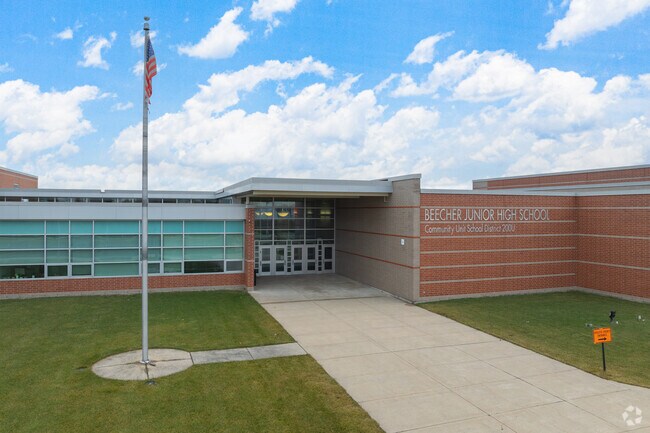
Finance Committee: Beecher Schools Project Balanced Budget, Earmark Funds for Major Projects
Will County Health Department Seeks $1 Million to Avert ‘Drastic’ Service Cuts from Expiring Grants
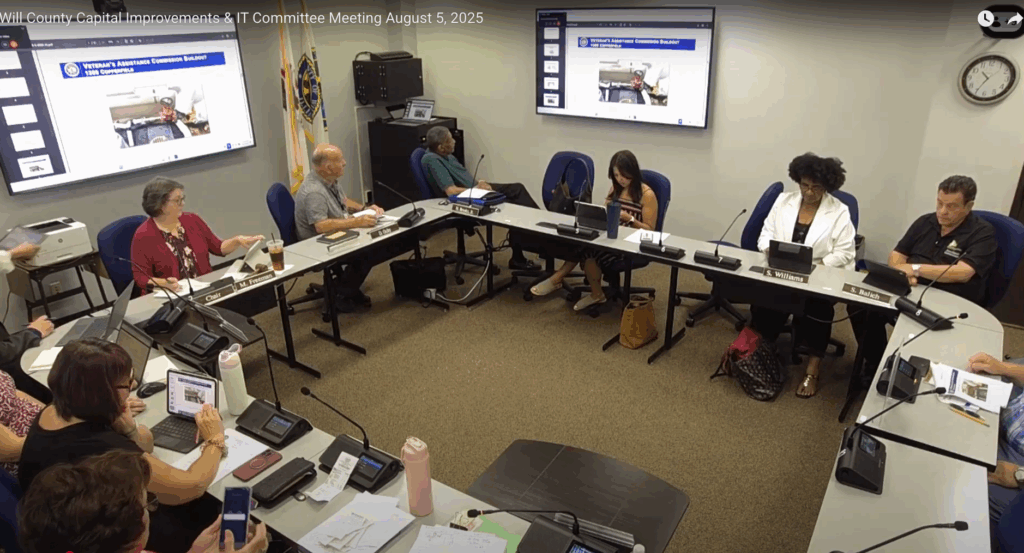
Will County’s “First-in-Nation” Veterans Center to House Workforce Services, Sparking Debate
Improved Vendor Service Creates $1.2 Million Shortfall in Sheriff’s Medical Budget
Will County Public Works Committee Unveils 25-Year Transportation Plan, Projects $258 Million Gap
Will County Animal Protection Services Seeks New Facility Amid “Gaping Wound” of Space Crisis
Board Confronts Animal Services Crowding, Explores Future Facility Options
Will County Board Members Demand Transparency in Cannabis Tax Fund Allocation
Homer Glenn Residents Push Back on 143rd Street Widening as Officials Signal “Tentative Agreement”
Will County Forges 2026 Federal Agenda Amid D.C. Policy Shifts, ‘Big Beautiful Bill’ Impacts
Health Department Seeks $1 Million Levy Increase to Prevent “Weakened System”
County Rolls Out New “OneMeeting” Software to Improve Public Access
Meeting Summary and Briefs: Will County Board Finance Committee for August 5, 2025
Will County PZC Approves Rezoning for Truck Repair Facility on Manhattan Road Amid Resident Concerns