Judiciary Comm. to take on bill targeting lawsuit investors
The House Judiciary Committee is set to consider action against companies that invest in American lawsuits – an often-lucrative arrangement that encourages mass litigation.
Third-party litigation funding doesn’t have to be disclosed in most federal and state courts, but that would change if H.R. 1109 passes. A mark-up session for the committee to discuss and vote on it is scheduled for Tuesday.
It was introduced by Darrell Issa, a California Republican.
“Our legislation targets serious and continuing abuses in our litigation system that distort our system of justice by obscuring public detection and exploiting loopholes in the law for financial gain,” Issa said last year.
The legislation targets agreements in which litigation-funders advance money to plaintiffs attorneys in return for a percentage of whatever is won in court. Since they aren’t traditional loans, they aren’t subject to usury laws, and critics worry that investors ultimately control when or if litigation is settled.
H.R. 1109 won’t prohibit the funding. Instead, the agreements will be disclosed in court, much like defendants must do with their insurance policies. A related bill that forbids funding from sovereign wealth funds and foreign governments is headed to the full House.
TPLF has long been a sore spot for defendants who claim it encourages frivolous lawsuits and allows foreign funders to pursue objectives in court like filing lawsuits to weaken the American energy industry. Oklahoma and Georgia passed measures targeting TPLF last year, joining Wisconsin, Indiana, Montana, West Virginia, Louisiana and Kansas.
In federal courts, Delaware, New Jersey and the Northern District of California require disclosure of TPLF agreements.
Groups including Consumer Action for a Strong Economy wrote Judiciary chair Jim Jordan, R-Ohio, to support the bill.
“All parties deserve to know who’s financing a case and influencing outcomes,” the letter said.
“Judges need to see who’s driving cases in their courtrooms, and plaintiffs need to understand if secret funding is involved so they can stay in control of their own cases. And defendants need to know who might have access to their intellectual property, who could be calling the shots in the litigation for the other side, and who is really pulling the strings during negotiations.”
Defendants are required to disclose insurance policies that are available for plaintiffs to collect from, but plaintiffs currently don’t need to show who is funding their cases. Resistance for TPLF reform includes the claim a plaintiff’s financial situation could be made public.
Some insight into how outside money affects cases comes from arguments between plaintiff lawyers.
As Johnson & Johnson attempted a mass settlement of tens of thousands of ovarian cancer claims in a Texas federal court, some plaintiffs firms stood in the way of what would have been a $9 billion agreement. The company felt litigation-funding complicated what was an ultimately unsuccessful plan.
Court documents say Fortress Investment Group lent $24 million to Smith Law Firm, which repaid it with the proceeds of another loan from Elliott Associates. Smith fought to accept J&J’s multibillion-dollar deal, but Beasley Allen led a fight against approval.
Beasley Allen sued Smith and claimed Smith voted yes on the settlement because it owes $240 million to third-party financiers. J&J wondered whether Beasley Allen had its own bills to pay, though partner Andy Birchfield testified his firm did not obtain litigation funding for its claims.
“Litigation funding has permeated the talc litigation,” J&J said in a court filing, in which it accused plaintiff law firms of neglecting their duty to represent clients to meet the demands of their hedge fund financiers instead. “Beasley Allen’s conduct suggests that other undisclosed financial interests are actually driving its decisions relating to the resolution of the talc litigation.”
Plaintiffs lawyers and investors spend hundreds of millions of dollars in advertisements and marketing services, and there’s no financial incentive to screen for bad claims when a mass filing of thousands could pressure a defendant to settle rather than investigate each lawsuit.
The U.S. Chamber of Commerce has long pushed for a measure like the Litigation Transparency Act to pass. Though it’s a multibillion-dollar industry, “funders operate in the shadows,” the Chamber’s Institute for Legal Reform says.




Isolated Showers And Thunderstorms then Showers And Thunderstorms
Latest News Stories

Meeting Summary and Briefs: Peotone Board of Education for August 18, 2025

Lawmaker criticizes $500 student board scholarships amid lowered K‑12 standards

Illinois news in brief: Work begins on $1.5 billion O’Hare expansion; Police catch man accused of road rage, shooting
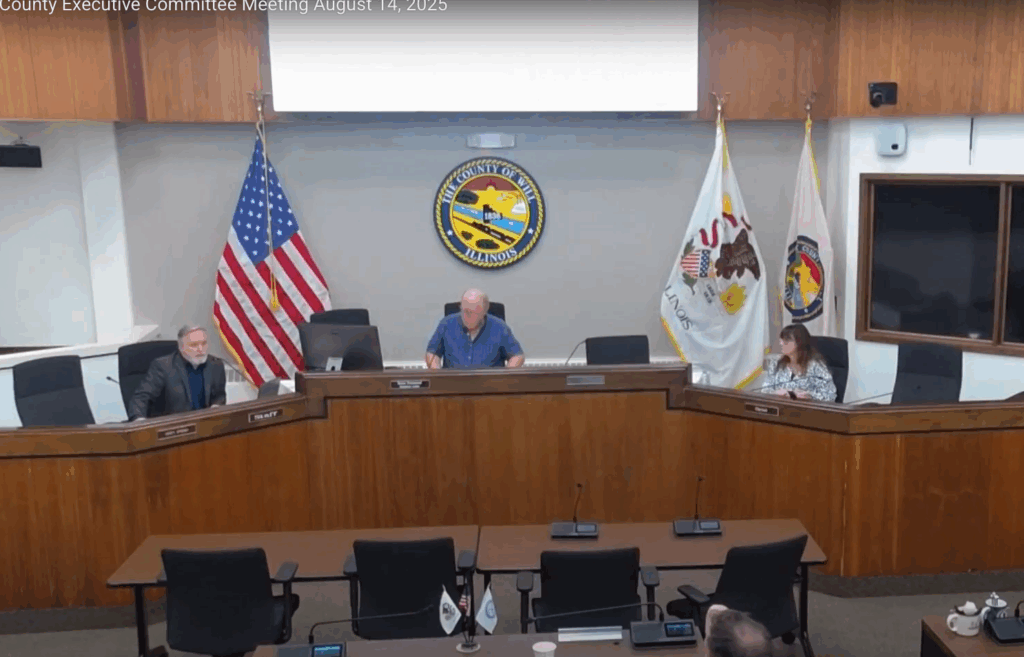
Executive Committee Details Spending of $134 Million in Pandemic Relief Funds

Facing Budget Crisis, Peotone Committee Questions Athletic Field Project
Committee Summary and Briefs: Peotone Board of Education Committee of the Whole

Soaring utility bills, solar federal tax credit cuts dominate Illinois energy debate

Illinois quick hits: Pritzker signs crypto regulations

Trucking industry leader: New law may drive business out of Illinois
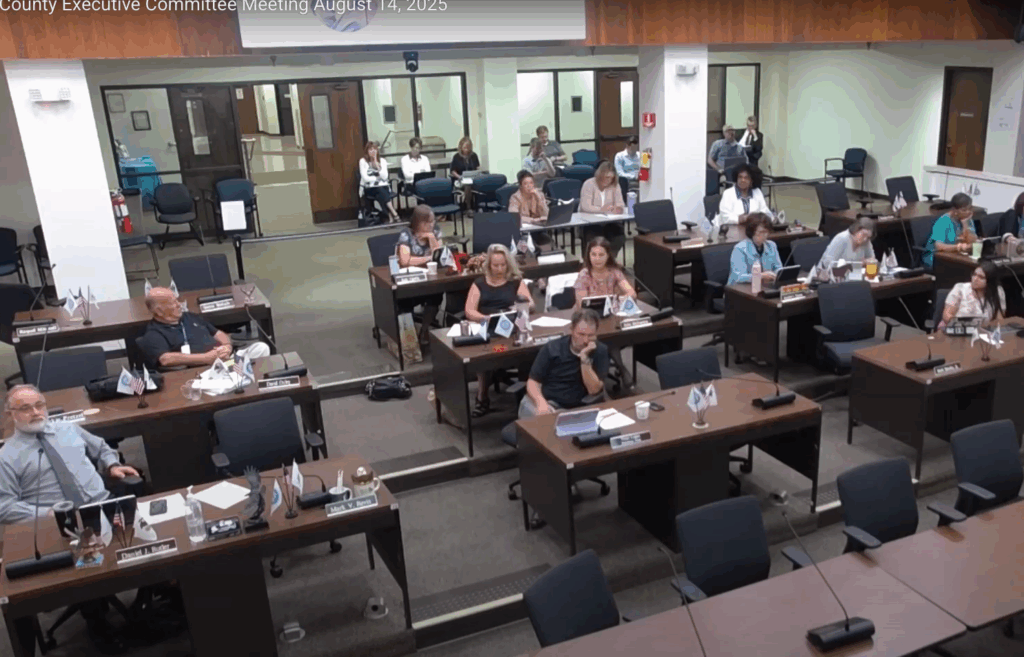
Executive Committee Considers $12,000 Strategic Planning Initiative with University of St. Francis
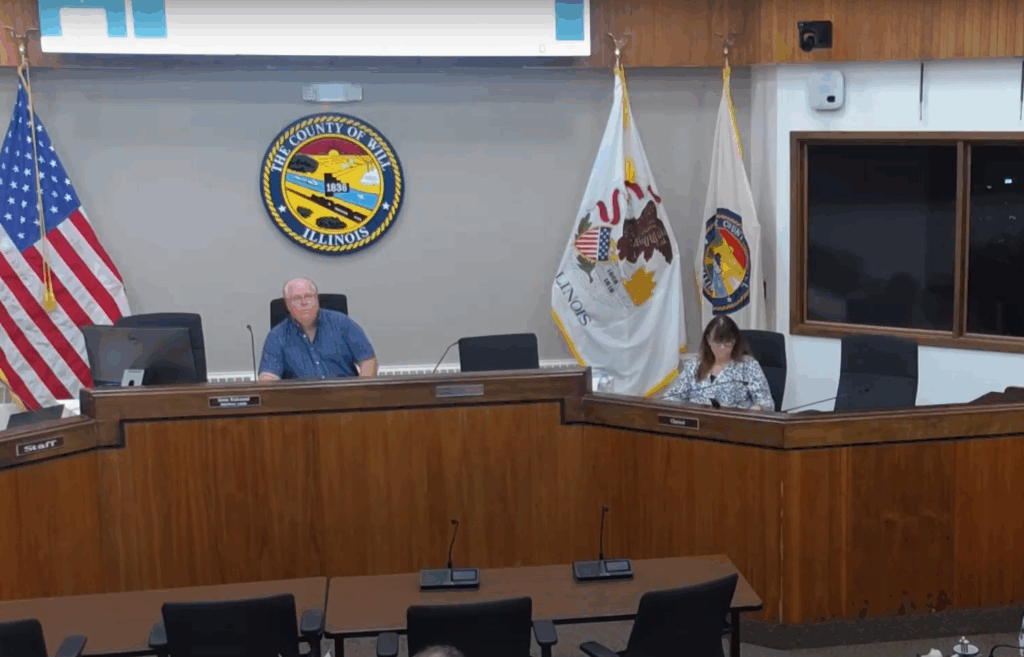
Executive Committee Members Decry Roadside Litter, Call for Action Against Garbage Haulers
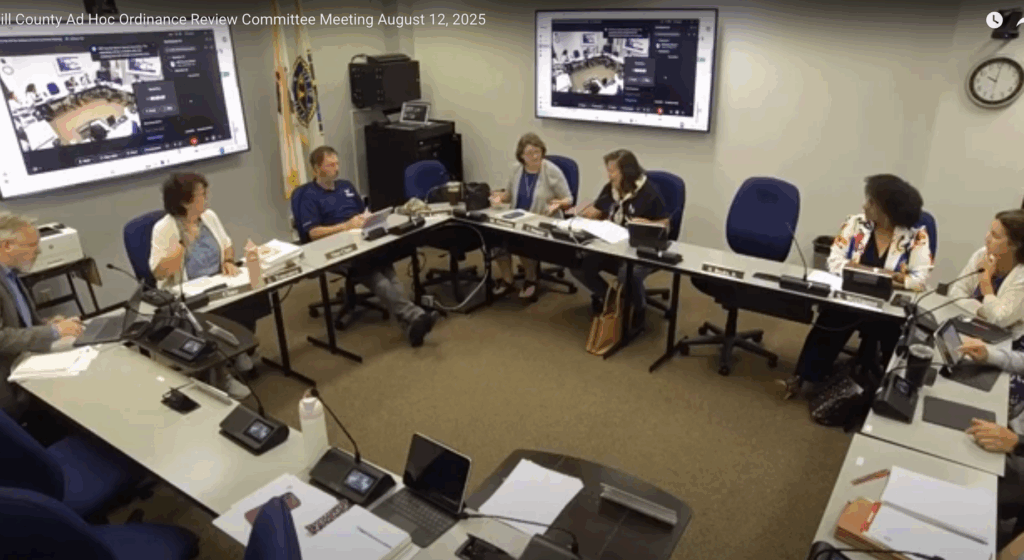
Will County Updates Solid Waste Ordinance, Increases Fines and Reporting to Landfill Committee