Govt. funding process advances as three more bills to become law; six remain
With the U.S. Senate sending a roughly $180 billion funding package to the president’s desk Thursday, Congress has now knocked out half of the annual appropriations bills funding federal agencies in fiscal year 2026.
The three-bill minibus, which passed the House last week, grants full-year appropriations for the departments of Commerce; Justice; Energy; Interior; the Environmental Protection Agency, and more.
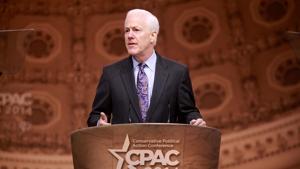
“For too many years, we’ve had massive omnibus bills written behind closed doors. That’s not how I want to operate,” Senate Majority Leader John Thune, R-S.D., told lawmakers Thursday. “My hope is that we’ll be able to build on the progress we’ve made this past year to get the appropriations process back to what it should be – an open process that every senator can participate in.”
Among other things, the minibus provides $37 billion for the Department of Justice, $63 billion for water and energy infrastructure, $8.8 billion for the EPA, and $25 billion for the National Nuclear Safety Administration.
Although both parties made compromises, they also scored wins. Democrats are celebrating billions allocated for scientific research, including climate research, while Republicans are highlighting the increased funds for drug enforcement programs.
Lawmakers’ work is far from over, however. Congress has until Jan. 30 to pass the remaining six appropriations bills or else risk a government shutdown.
In order to have a chance of meeting that deadline, the Senate must pass and send to the president’s desk another House-passed minibus by the end of this week, before the upper chamber takes a week-long break.
If they do so, Congress will have knocked out eight appropriations bills, leaving only the last four, which are also the thorniest. According to Thune, appropriators are already assembling those bills into a minibus.
Lawmakers have little appetite for another government closure after the record 43-day shutdown last year, but it is unlikely they will pass all 12 bills by Jan. 30.
Instead, they will likely pass a funding stopgap covering whichever appropriations bills remain unpassed by that deadline to buy themselves more time to finish the funding process.





Partly Sunny then Chance Showers And Thunderstorms
Latest News Stories

Meeting Summary and Briefs: Will County Board Legislative Committee for January 6, 2026
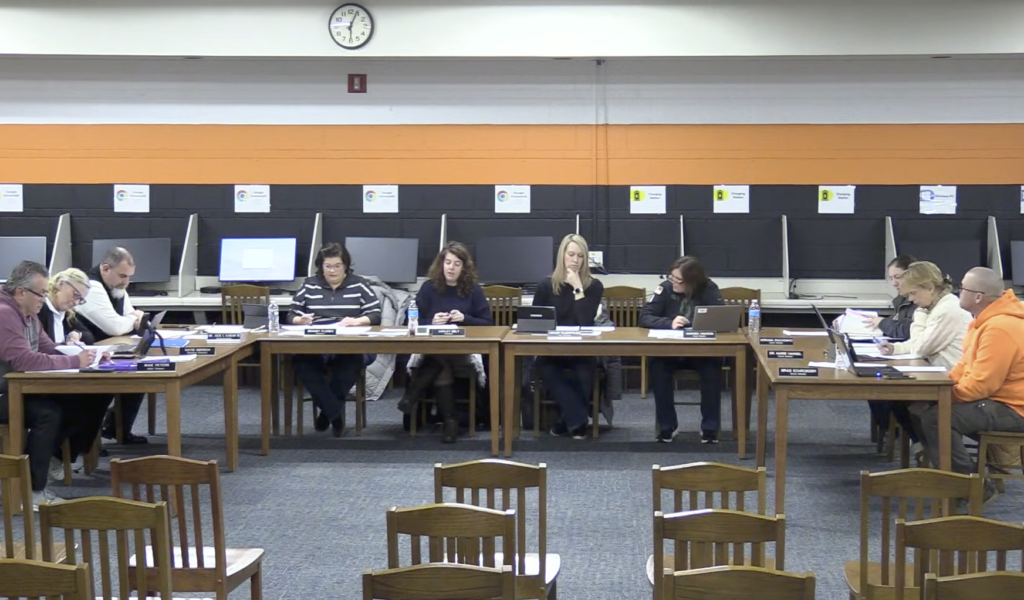
Beecher School Board Approves $283,000 Elementary Window Project and New Bus

Firms team up with states to scrutinize health care spending

St. Paul students marked absent after protests against ICE

Poll: Trump’s approval rating falls 16% in Arizona
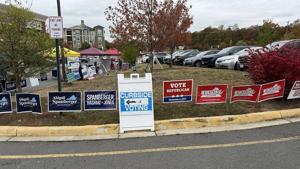
SCOTUS to consider second election law case

Medical device manufacturer invests $110M to expand Nebraska plant, boost drug supply

WATCH: U.S.ambassadors stress Greenland’s importance

Chicago council considers ‘not a tax’ surcharge on hotels

Govt. funding process advances as three more bills to become law; six remain

Bankers push back on Trump’s plan to reduce swipe fees, cap interest rates
State lawmaker calls for hearings on banning Sharia law in Texas