SC weighs whether Amazon must pay workers for mandatory COVID screenings
(The Center Square) – The Illinois Supreme Court is considering whether Amazon must compensate warehouse workers for time spent waiting in line and completing mandatory COVID-19 screenings during the pandemic, a case that could have broad implications for wage and hour law in the state.
The lawsuit, filed by former Amazon employees Gale Miller-Anderson and Lisa Johnson, claims the company required unpaid COVID screenings before shifts.
Amazon argues Illinois law follows federal rules that allow some pre-shift time to go unpaid.
The case centers on whether Illinois’ Minimum Wage Law offers broader worker protections than federal law. Plaintiffs Miller-Anderson and Johnson are represented by attorney Donny Foty.
“There’s a federal law called the Fair Labor Standards Act, and the Fair Labor Standards Act, generally speaking, is the law that applies to all states in the country,” Foty told TCS.
Foty explained federal law sets minimum wage and overtime requirements, but Congress later carved out exceptions that limit what counts as paid work.
“Broadly speaking, the Fair Labor Standards Act defines what exactly is work,” Foty said. “And then Congress later passed an exception that basically says not all work is compensable.”
Under federal law, only an employee’s “principal activity,” or tasks that are “integral and indispensable” to it, must be paid, meaning some pre-shift or post-shift activities are not compensable, according to Foty. But Foty said Illinois law is different.
Amazon points to a 2014 U.S. Supreme Court ruling in Integrity Staffing Solutions v. Busk, which held that warehouse workers did not have to be paid for time spent in mandatory anti-theft screenings after clocking out.
“In that case, the Supreme Court said no, the employer didn’t have to pay for that time,” Foty said. “The reason was that the anti-theft screening was not integral and indispensable to the workers’ principal activities.”
Amazon argues the same logic applies to COVID screenings.
“Some states have enacted their own version of a wage and hour law,” he said. “Illinois has. The General Assembly of Illinois has passed the Illinois Minimum Wage Law.”
Attorney General Kwame Raoul has filed a brief supporting the workers’ position, signaling the state’s interest in how the law is interpreted.
“Nothing in the Illinois Minimum Wage Law expressly incorporates the exceptions from federal law,” Foty said. “Instead, if you look at the regulations interpreting the Illinois Minimum Wage Law, the law is actually contrary to federal law.”
A ruling in favor of the plaintiffs could affect employers statewide by expanding what activities must be paid under Illinois law, while a ruling for Amazon would reinforce alignment with federal standards.


Partly Sunny then Slight Chance Showers And Thunderstorms
Latest News Stories

Executive Committee: Tension Rises as Republican Whip Removed from Panel

Ad-Hoc Committee: County Stripped of Power to Regulate Motor Races, Must Drop Solicitor Fees Due to State Statutes

Commission Overrides Staff Recommendation, Approves Manhattan Township Barn Expansion

Superintendent Warns of State Funding Gaps Despite Balanced Budget
Executive Committee Advances “Project Northwinds”: 2,475 Jobs and $346 Million Investment Proposed for Former Caterpillar, Lion Electric Sites

Land Use Committee Advances Mokena Scrap Yard and Homer Glen Landscape Business Over Local Objections
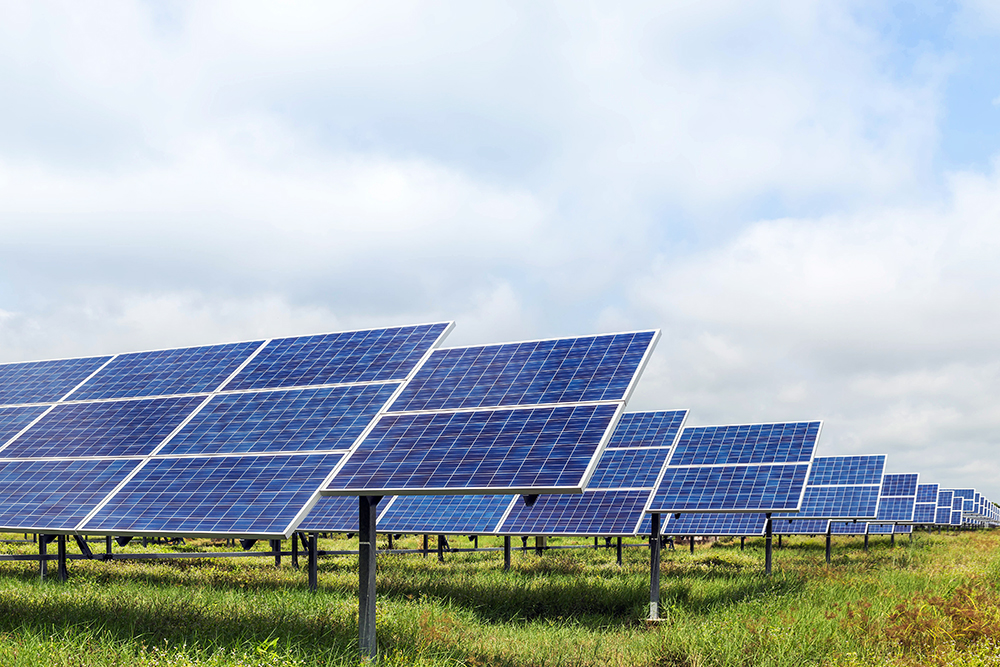
Planning Commission Backs 5-MW Peotone Solar Farm; Developer Pledges Pollinator Habitat and Community Funds
Board Approves New Early Childhood Curriculum and Technology Upgrades
Beecher Schools Review Test Data; ELA Scores Excel While Math Strategies Adjusted
Meeting Summary and Briefs: Washington Township Board for Jan. 5, 2026

Meeting Summary and Briefs: Village of Beecher for February 9, 2026
Meeting Summary and Briefs: Public Health & Safety Committee for February 5, 2026