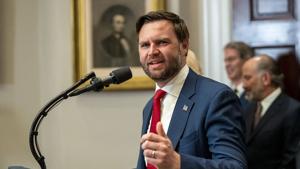
Group wants records on Minnesota child care assistance program
A Washington, D.C.–based oversight organization has formally asked the Minnesota Department of Children, Youth, and Families to provide internal records that relate to the state’s Child Care Assistance Program, citing concerns about fraud.
On Jan. 13, Empower Oversight filed a request under the Minnesota Data Practices Act for their records regarding CCAP oversight and enforcement activities. The group said the program, which distributes millions of taxpayer dollars annually to child care providers, has been the subject of “numerous reports of waste, fraud and abuse of taxpayer dollars.”
In a news release, Empower Oversight noted Minnesota receives about $185 million in federal funds for CCAP each year, totaling more than $1 billion since 2019. It also said recent reporting and public scrutiny have “raised serious questions about widespread fraud and misuse of CCAP funds, as well as the adequacy of state oversight.”
“Given the scale of public funding involved and the importance of protecting both taxpayer dollars and vulnerable families, it is critical to understand what the agency knew about these issues and how it responded,” said Empower Oversight President Tristan Leavitt in the organization’s announcement. “Ensuring appropriate protections for anyone who helps bring transparency to the program is essential to restoring public trust.”
The records request letter submitted to DCYF Commissioner Tikki Brown asks for documents, including investigative reports that found providers with no children present, since Jan. 7, 2019, and all communications regarding providers connected to the Feeding Our Future scandal.
Empower Oversight described itself in the letter as “a nonpartisan, nonprofit educational organization … dedicated to enhancing independent oversight of government and corporate wrongdoing” that helps insiders safely report waste and misconduct.
In a statement to TCS, Empower Oversight said that the state has acknowledged receipt of the data request, but they are unsure when they will receive results. Laws in the state of Minnesota only require that they return the data in a “reasonable time.”
“Unless there are concerted efforts to proactively detect and redress fraud, programs like this are ripe for abuse. Turning your head and ignoring the problem only allows those willing to commit fraud to be even bolder with their transgressions,” Leavitt told TCS. “Transparency through records requests like ours, and whistleblowers coming forward, is the first step to ensuring officials can get to the root cause.”
DCYF said they would look into the situation with the records request but did not share any further comment at the time of publication.






Partly Cloudy
Latest News Stories

Bill filed to repeal ‘punitive’ digital asset tax

Chicago court keeps block on Florida suit over kids transgender medicine
Damage costs still being assessed from record tornado numbers

Pritzker open to ‘fair’ data center development, local moratoriums

Illinois Quick Hits: ICE arrests woman accused of helping never-charged shooting suspects
U.S. Senate passes landmark bipartisan housing bill, sends to House

POLL: Majority of voters believe U.S. should stay in NATO

Nonprofits: Los Angeles schools need to do better following Carvalho’s resignation

Chicago anti-violence department proposed; activist dismisses Trump post

Pritzker plans to sign social media law despite criticisms

Illinois Quick Hits: IDOT says all 102 counties to have transit

Poll: Taxes, economy top voter concerns