Lawmaker says adopting federal ‘no tax on tips’ would help workers
A growing debate over how tipped income is taxed in Illinois has resurfaced as state Rep. Regan Deering, R-Decatur, introduced legislation aiming to align Illinois law with the federal “No Tax on Tips” policy.
The move comes after state officials said Illinois would not adopt the federal exemption, citing concerns that exempting gratuities could create an unequal tax burden.
Deering, a vocal proponent of tax relief, emphasized that the state’s real issue is spending, not revenue.
“We all know that Illinois doesn’t have a revenue problem, we have a spending problem, so we should be looking for every opportunity to cut taxes for Illinois citizens while simultaneously cutting government spending,” Deering said.
House Bill 4519, filed by Deering, would exempt tips from state income taxes up to $25,000, mirroring federal rules. According to Deering, the measure would provide direct relief to tipped employees, many of whom earn a lower base wage.
“It makes sense that we would match the federal standard and allow our tipped employees to keep more of their hard-earned money. By adopting a no tax on tips, it would make Illinois more attractive, more competitive, which of course could bring in more businesses and residents,” she said.
Deering framed the policy as a step toward economic growth and retaining talent within the state.
“We’re going to continue to lose revenue if we keep forcing people and businesses out of Illinois. As a state, we shouldn’t remain trapped in this perpetual tax and spend cycle. No tax on tips would do things like encourage economic growth, help offset potential revenue impacts by keeping Illinois workers here, and of course attract new businesses,” Deering said.
Deering criticized proposals from Chicago Democrats to increase taxes, including a possible retirement tax and a graduated income tax, arguing that residents need relief now.
“I try to find ways every day to put more money in the pockets of hardworking Illinoisans, and this legislation would simply do that,” said Deering.
She described tips as “voluntary payments from customers” rather than compensation guaranteed by an employer, noting that many tipped workers rely on them to supplement a much lower base wage.
She emphasized that exempting tips from taxation would not allow workers to avoid paying taxes altogether.
“They would still be taxed on their earned wages,” Deering said, explaining that the exemption would apply only to customer-provided tips. The proposal would also cap the exemption at $25,000, aligning Illinois law with the federal standard.
Comparing tipped workers to higher-earning salaried professionals, Deering said many tip-based employees are paid “at a much lower level,” and that exempting gratuities recognizes the unique structure of their income while still maintaining taxation on base wages.





Isolated Showers And Thunderstorms then Showers And Thunderstorms
Latest News Stories

Personnel cuts to national intelligence office will save taxpayers $700 million
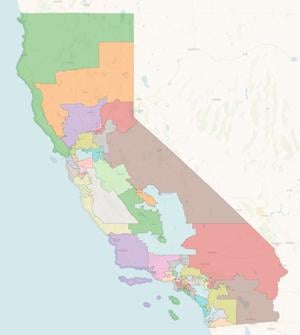
Redistricting would split cities, counties throughout CA
Pritzker: Fair maps in Illinois would be ‘disarming’ to Democrats

NY appeals court overturns Trump’s civil fraud penalty
States sue over Victims of Crime Act grant funding

White House backs off hefty EU tariff threats, EU eliminates industrial tariffs

Home sales up 2% in July as prices stayed nearly flat
Parents who lost daughters at Camp Mystic: Their deaths were ‘100% preventable’

Illinois quick hits: COVID fraud indictments issued; man sentenced for mailing fentanyl

Trump defunds California sex ed program over ‘gender ideology’

WATCH: Illinois In Focus Daily | Thursday Aug. 21st, 2025
Will County P&Z: Washington Township Lot Variance Granted

Will County P&Z Approves Crete Solar Farm, Overruling Township’s General Opposition