Parents sound alarm over Illinois high school voter registration bill
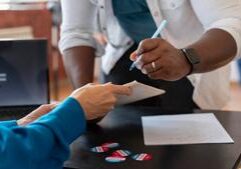
A proposal backed by Illinois Democrats to expand voter registration opportunities for high school students is raising concerns among some parents and education advocates, who argue the measure could add strain to already overburdened schools and open the door to partisan influence.
House Bill 4339 is known as the Jesse Jackson, Sr., Young Voter Empowerment Law, would require public high schools to offer voter registration to eligible students before graduation, a move supporters say would boost civic engagement.
In a social media post the bill’s sponsor State Rep. Kim du Buclet, D-Chicago, said, “Reverend Jesse Jackson Sr., is a trailblazer, pioneer, and icon whose life’s work has been rooted in the fight for voting rights and democracy. Illinois now has a chance to honor that legacy through HB 4339. If passed, the bill would require Illinois high schools to provide students with the opportunity to register to vote; voluntary, nonpartisan, and student-centered. As I mentioned earlier today, we’re not telling students who to vote for or what to vote for. We’re just asking them to register to vote.”
But Marsha McClary, chair of Moms for Liberty Lake County, warned the proposal could burden schools and duplicate existing state programs.
“In general, this is just another thing schools are being asked to do,” McClary told TCS. “Administrators will tell you they’re overwhelmed. The focus really needs to be on academics.”
Illinois already allows 16- and 17-year-olds to preregister to vote through the secretary of state’s office when getting a driver’s license or state ID. McClary said most students will have already encountered voter registration through that process, making the new mandate largely redundant.
“That interaction at the DMV works fine,” she said. “They ask, the student can say yes or no, and that’s it. Schools aren’t equipped with that same infrastructure.”
McClary said her concerns center on whether organizations involved in administering voter registration in schools would truly remain nonpartisan. McClary pointed to groups such as the League of Women Voters, which are often described as nonpartisan but are widely viewed as left-leaning, raising questions about whether subtle political messaging or influence could accompany the registration process.
“If schools don’t have a mechanism in place, a third party will probably be brought in, and that’s where parents are going to have the biggest concerns,” she said. “Are these groups truly nonpartisan? What happens to students’ information and email addresses after they sign up?”
McClary questioned the timing and motivation behind the proposal.
“My guess is they want this pushed through quickly because of the midterm elections,” she said.
She noted ongoing scrutiny nationwide over colleges and universities allegedly sharing student data with partisan voter outreach groups, calling it a cautionary example for K-12 schools.
A former GOP candidate for state Senate, Desi Anderson, filed a complaint with the U.S. Department of Education alleging Illinois State University violated federal privacy laws by sharing student data with election-related groups without consent.






Partly Sunny then Slight Chance Showers And Thunderstorms
Latest News Stories
Trump orders new mediation for New York rail contract dispute

U.S. House passes two more govt funding bills, sending to Senate

Governors seek delay on sharing cost of food stamp errors

Supreme Court ruling allows Bost to challenge Illinois election law

Illinois quick hits: Illinois auto insurance rates dropping

SCOTUS rules on warrantless searches, double convictions and election suits

WATCH: WA Democrats criticize reporter probes into potential daycare fraud
Title IX central to transgender sports cases, advocates say
WATCH: Legislator raises red flag over Illinois tax funds for group encouraging ICE protests

Bill filed to address loss of homes, equity over property tax debt
Arizona senator optimistic after U.S. Supreme Court debate

Documentary shows cost of personal injury lawsuit abuse