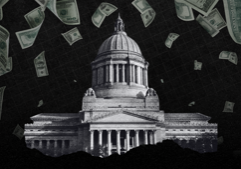
Poll: Americans say cutting government spending is best way to reduce debt
A majority of Americans say cutting government spending is the best way to lower debt and costs, a new poll from the National Taxpayers Union found.
The nationwide survey of 800 registered voters was conducted from Jan. 12-14. The survey included 38% of those who self-identified as Republicans, 35% as Democrats, and 25% independents or unaffiliated voters.
According to the survey, 89% of those polled think the U.S. is facing an affordability crisis, while 88% say the $37 trillion national debt will eventually impact them and their families personally.
Pete Sepp, president of National Taxpayers Union, said in a statement accompanying the poll data that government over spending has consequences.
“Americans understand that the federal government’s overspending has consequences, and families are paying the price,” Sepp said. “Voters want leaders to rein in spending before the national debt and inflation do even more damage to household budgets.”
The survey asked voters which options they prefer to reduce costs. A majority, 54%, chose cutting government spending; 32% said grow the economy; and 13% said raise taxes.




Mostly Sunny
Latest News Stories

Report: $12B spent on assisted living Medicare, Medicaid

Illinois Quick Hits: Aqua seeks water rate hike
Pritzker signs AI regulation critics say harms innovation, ‘picks winners’

Microsoft cuts over 600 Washington jobs, 4,800 globally amid corporate restructuring
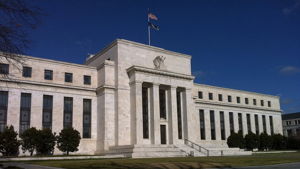
Report: Modernization of central bank intertwined with regulations, security

500-plus fugitives arrested across two states

WalletHub study examines the financial independence of US states

Michigan’s Democrat primary in U.S. Senate race narrows

DOJ, states could secure 53 million eggs in price manipulation settlement

WATCH: State fails to investigate daycares with no children despite media reports
Illinois Quick Hits: Woman sentenced for voting twice
Embattled state lawmaker resigns after investigation into ‘unethical’ behavior
Everyday Economics: What jobs data actually show and why Fed is changing how it talks