Poll: Americans say cutting government spending is best way to reduce debt
A majority of Americans say cutting government spending is the best way to lower debt and costs, a new poll from the National Taxpayers Union found.
The nationwide survey of 800 registered voters was conducted from Jan. 12-14. The survey included 38% of those who self-identified as Republicans, 35% as Democrats, and 25% independents or unaffiliated voters.
According to the survey, 89% of those polled think the U.S. is facing an affordability crisis, while 88% say the $37 trillion national debt will eventually impact them and their families personally.
Pete Sepp, president of National Taxpayers Union, said in a statement accompanying the poll data that government over spending has consequences.
“Americans understand that the federal government’s overspending has consequences, and families are paying the price,” Sepp said. “Voters want leaders to rein in spending before the national debt and inflation do even more damage to household budgets.”
The survey asked voters which options they prefer to reduce costs. A majority, 54%, chose cutting government spending; 32% said grow the economy; and 13% said raise taxes.

Mostly Sunny then Showers And Thunderstorms Likely
Latest News Stories
Civil rights complaints filed over race-based healthcare scholarships
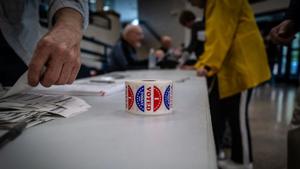
Candidates clamor for Carter’s open seat
Illinois Quick Hits: Civic federation funds ‘persistent structural imbalance’ in Illinois

Millions Approved for Will County Highway and Road Infrastructure Projects

U.S. House OKs Fetterman bill allowing SNAP to cover hot rotisserie chicken
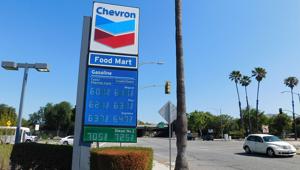
Gas hits $6 a gallon in California; Southwest see increases

Teacher unions spent over $1B on political causes since 2015

Illinoisans may soon need registration, title, license to use e-bikes, scooters
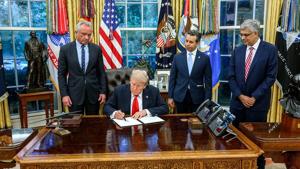
Executive order creates website for retirement accounts, matching federal contributions
Congress extends govt. surveillance powers for 45 days

Report: 10% credit card cap could cut off 64 million Americans, risk recession

Pritzker’s commission report pushes for local investigations of federal ‘brutality’