Professor: California sees nation’s least affordable electricity
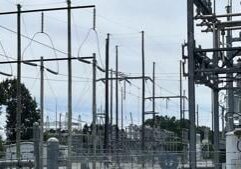
California is experiencing the country’s biggest hikes in electricity rates, according to new research from the Energy Institute at the Haas School of Business at University of California, Berkeley.
The research was detailed in a blog post written by an economics and business professor at the university.
According to the research, electricity rate increases have gone up by 39% between 2019 and 2025, much higher than any other state. The closest jurisdictions to California’s numbers are Maine and Washington, D.C., which are both at 37%; Maryland, 21%; New York, 20%; and New Jersey, 17%.
While there is no one single reason for why electricity has become so unaffordable across the country or state, there are a few reasons for why electricity rates in California have gone up above the national average in the last several years, according to the researcher.
“It isn’t driven primarily by the wholesale cost of electricity,” said Severin Borenstein, a UC Berkeley professor who conducted the research and wrote the blog.
“What has gone way up is the distribution costs,” Borenstein told The Center Square this week.
Distribution costs are up because of the price of responding to wildfires and paying to fix the damage of past wildfires, Borenstein said. Another driver of increased rate costs is shifting onto those who don’t have rooftop solar as the number of people who install solar power goes up, he added.
The biggest driver, Borenstein told The Center Square, is the costs of fixing wildfire damage that utility companies pass on to their customers.
“California has a law on the books that says that if utility equipment causes a wildfire, even if they were not negligent, they are still held responsible,” Borenstein said. “But if they are not negligent, they then go to the regulator and say, ‘This is the cost of doing business. We should be able to pass it through.’ And generally, they are allowed to pass it through, so that’s what’s raising rates.”
The research was published on the heels of investor-owned utility customers starting to see a base surcharge on their monthly bills that is largely meant to make electricity cheaper for those who use large amounts of electricity, while simultaneously making electricity rates higher for those who are trying to conserve energy. The per-kilowatt hour rate for customers of Pacific Gas & Electric Co. and Southern California Edison was scheduled to go down as both companies rolled out the surcharge on customers’ bills, according to previous reporting by The Center Square.
Borenstein’s research shows that as of summer 2024, electricity rates had been steady with inflation across the country. He also found the national average electricity rate had stayed relatively flat, or even gone down, between 2014 and 2024, when adjusted for inflation. During that same time frame, the median weekly earnings of many workers across the country was increasing faster than inflation, Borenstein’s research shows.
The states with the lowest electricity rate increases were Arizona, Minnesota, Missouri, Tennessee, Mississippi and North Carolina, all at 1%, according to the research.
Some states even saw rate decreases between 2019 and 2025, including Nevada, which saw a 12% electricity rate decrease; Iowa, which saw an 8% decline; Alaska, Kansas and South Carolina, which saw rates drop 6%; North Dakota and Nebraska, which saw a 5% decrease in rates; and South Dakota, which saw a 4% decrease. In Idaho, rates decreased 2%, and in New Mexico, Wyoming and New Hampshire, rates dropped 1%.
What California’s politicians say about electricity rates
“There are many different factors at play right now that are leading to higher rates in California,” said Sen. Ben Allen, chair of the Senate Energy, Utilities and Communications Committee.
“While we’re experiencing and continue to expect significant load growth, we’ve also needed to make significant investments in risk management to better protect communities from wildfires,” Allen told The Center Square via email.
Allen said utility rebates, which are paid by polluters through greenhouse gas reduction fund investments, are a tool to relieve the excessive costs many Californians see on their bills. This is only a bandage, Allen said, noting he wants to see real solutions to what drives those costs upward.
“We should be addressing perverse incentives for overbuilding utility infrastructure that provide minimal benefits, while shifting focus toward infrastructure buildout that brings more of our clean energy online,” Allen wrote to The Center Square. “It will also be important to consider how we can ensure the few corporations driving outsized load growth, such as through data centers, are paying their fair share rather than being subsidized by the average ratepayer.”
Republican legislators have also expressed concern about electricity rates soaring in California. Efforts to cap utility rates through legislation and a lack of oversight on utility programs managed by the California Public Utilities Commission have impacted ratepayers’ bills, according to lawmakers responding to The Center Square’s requests for comment.
“I represent a working-class district in Orange County, and constant utility rate increases mean incessant pressure for constituents to make ends meet,” said Assemblymember Tri Ta, R-Westminster, and a member of the Assembly Utilities and Energy Committee.
“I am very concerned about the cost of utilities in California. The main driver of our high costs are public policy decisions that were made long before I joined the Legislature but am tackling now,” Ta told the Center Square via email.
Other lawmakers blame state agencies that are tasked with carrying out programs meant to help ratepayers, a Republican legislator told The Center Square.
“When we talk affordability and our utility bills, one aspect the state should focus on is the ineptitude of the California Public Utilities Commission,” Assemblymember Laurie Davies, R-Oceanside, told The Center Square in an email. “For years, the legislature has mandated certain programs, and we have no idea if they’re working or if the money is going to ratepayers as promised. I would welcome more audits of the CPUC and determine what programs work and which don’t.”
Assemblymember Cottie Petrie-Norris, D-Irvine and chair of the Assembly Utilities and Energy Committee, was not available for an interview this week. Officials from the California Public Utilities Commission sent along reports via email, but did not make anyone available to answer questions.

Mostly Cloudy
Latest News Stories
School Facilities Committee Reviews Elementary School Window and Roof Repairs
Illinois quick hits: Another attack on CTA passenger; plaintiffs move to dismiss their ICE use of force case

WATCH: Pritzker: ‘No’ to state taxpayer-funded guaranteed income
WATCH: IL congresswoman willing to withhold highway dollars over CDL issues
Disability group, coroners press governor ahead of assisted suicide decision

Meeting Summary and Briefs: Village of Beecher for November 24, 2025
WATCH: U.S. Rep. Miller live; Heated rhetoric in Congress; SNAP, ‘basic income’ debate
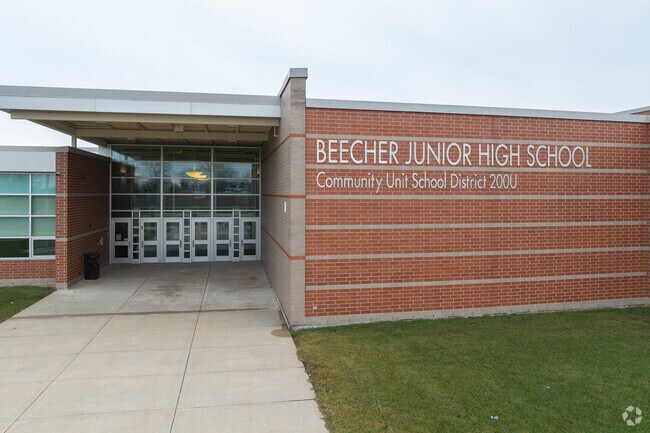
Solution Found to Revive Broken Junior High Digital Sign

Beecher Sets Schedule for Parade of Lights and Holiday Contests
“Cheaper to Go Up”: Beecher Schools Discuss Vertical Expansion Concepts

Weather Delays Force Extension of Leaf Collection in Beecher

Beecher Digs Out from 12.4 Inches of Snow; Sub-Zero Cold Forecast for Friday
Illinois rejects federal ‘no tax on tips’ rule, keeps state tax on tipped income