
Canada looks to shift auto industry away from U.S.
Canadian Prime Minister Mark Carney wants his nation’s auto industry to look far beyond its usual American market with investments in electric vehicles and other trade partners.
U.S. tariffs have hit Canada hard, prompting a shift in Canada’s economic strategy. This pivot has already frustrated U.S. President Donald Trump, who threatened 100% tariffs on Canada over a recent deal between Canada and China on electric vehicles.
Canada’s auto industry is intertwined with the U.S. More than 90% of Canadian-made vehicles and 60% of Canadian-made auto parts are exported to the U.S.
The break between the two countries has left Canada seeking new trade partners.
“Canada’s new government is fundamentally transforming our economy – from one reliant on a single trade partner, to one that is stronger, more independent, and more resilient to global shocks,” Carney said. “We are making strategic decisions and generational investments to build a strong Canadian auto sector, where Canadian workers build the cars of the future.”
Amid these efforts for diversification, Carney also wants Canada to become a global leader in electric vehicle production.
Last month, Trump warned Canada that all its exports to the U.S. could face 100% tariffs if Canada finalizes that EV deal with China.
Since then, Carney has discussed the “rupture” between the two neighbors and sought out deals with countries around the world, including China.
Trump warned that aligning with China could hurt Canada.
“China will eat Canada alive, completely devour it, including the destruction of their businesses, social fabric, and general way of life,” Trump wrote. “If Canada makes a deal with China, it will immediately be hit with a 100% Tariff against all Canadian goods and products coming into the U.S.A.”
Trump later added: “The last thing the World needs is to have China take over Canada. It’s NOT going to happen, or even come close to happening!”
The American Automotive Policy Council and the Canadian Vehicle Manufacturers’ Association – representing Ford, General Motors, and Stellantis in both countries – also raised concerns about Canada’s deal with China, saying it had the “potential to undermine Canada’s auto sector and presents risks to the future of the integrated North American auto supply chain.”
Canada’s economy is directly tied to the U.S. Most of its exports go to the U.S.
Trump imposed 35% tariffs on Canadian goods in early 2025, except for products covered by the 2020 trade deal, the United States–Mexico–Canada Agreement.
Since Trump put tariffs on Canada, Canadian exports dropped, business investment slowed, and tariff uncertainty dragged the nation’s economy, according to a recent report from the International Monetary Fund.





Partly Sunny then Slight Chance Showers And Thunderstorms
Latest News Stories

Meeting Summary and Briefs: Will County Landfill Committee for February 10, 2026

Beecher Trustees Renew Fire Chief’s Contract and Update Fire Code

Meeting Summary and Briefs: Will County Board for February 19, 2026

Board Approves Joliet Township Clean Fill Facility Despite Environmental Objections
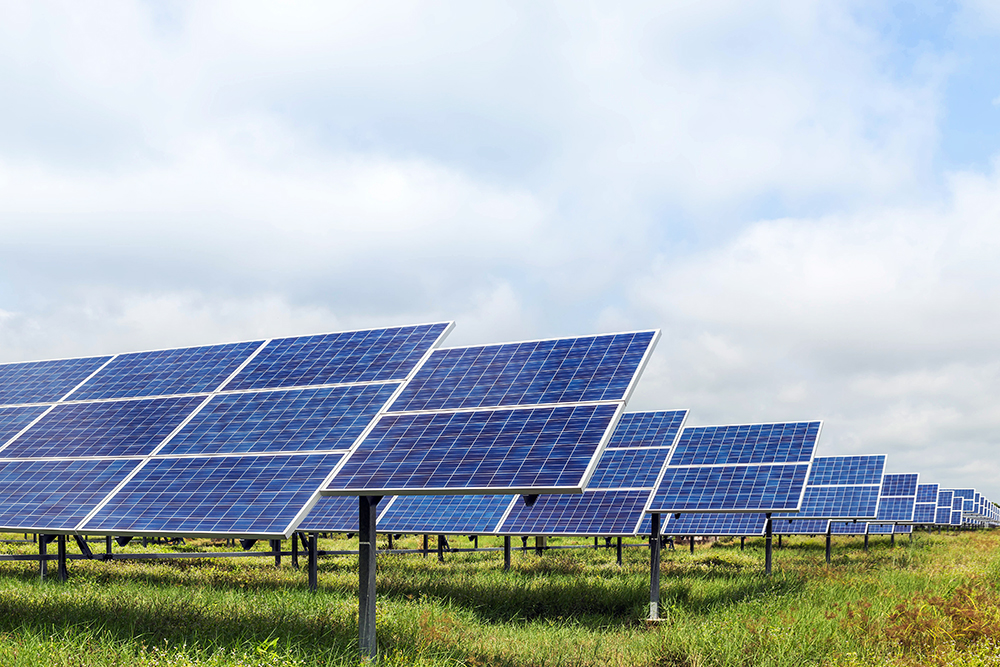
Will County Board Unanimously Rejects Controversial Solar Farm in Troy Township
Committee Approves $740,000 Compressor to Boost RNG Plant Uptime

Meeting Summary and Briefs: Beecher Public Library District for Jan. 20, 2026

Beecher Police to Acquire Drone Following Grant Approval

County Approves $1.9 Million for Wilmington-Peotone Road Engineering

County Board Authorizes Audit of Homer Glen Policing Contract; Officials Seek ‘True Cost’ of Services
Soltage Drops Battery Storage Plans, Secures Extensions for Two Crete Solar Projects

Scrap Metal Drop-Off Near Mokena Approved by Single Vote
Landscape Business Approved on Cedar Road Despite ‘Dangerous Curve’ Concerns