Illinois proposal makes businesses financially liable for climate change
(The Center Square) – A proposal to create an Illinois Climate Change Superfund is drawing sharp criticism from Republican lawmakers who warn it would hand sweeping authority to unelected regulators, drive businesses out of the state and ultimately raise costs for consumers.
Senate Bill 2981 would create the Illinois Climate Change Superfund, financed by payments from entities the state deems responsible for climate change. The Illinois Environmental Protection Agency would determine liability, set payment amounts, and direct spending, with at least 40% of funds required to benefit “disadvantaged communities.
The bill’s sponsor State Rep. Robyn Gabel, D-Evanston, did not immediately respond to TCS request for comment.
Supporters of the legislation argue the measure would hold major polluters accountable and fund projects aimed at addressing flooding, extreme heat and other climate-related impacts.
“The only real climate disadvantage we see in Chicago and across Illinois is that the business climate is under attack,” Rep. Chris Miller, a member of the House Energy and Environment Committee, said. “Businesses are shuttering their doors and leaving the state because radical policies are making it impossible to operate here.”
Miller argued the bill gives the Illinois EPA broad discretion with limited accountability, shifting power away from lawmakers and toward bureaucrats.
“It’s bad enough that lawmakers have the power they do, but now they want to send it over to bureaucrats at the EPA with very little oversight,” he said. “What could go wrong?”
Under the bill, the EPA would have one year to adopt rules defining who qualifies as a “responsible party,” how climate liability would be apportioned among businesses, and what projects would qualify for funding. Companies would be allowed to challenge liability determinations.
Under the bill, the Illinois EPA would decide what qualifies as a climate-related project and how the Climate Change Superfund program operates, with funds potentially used for flood mitigation, heat reduction and infrastructure resilience projects.
Miller questioned how the state could reasonably assign responsibility for climate change to individual companies.
“How do you calculate that?” he asked. “This is legally risky and raises constitutional questions. All it’s going to do is enrich lawyers through litigation after litigation.”
The bill includes a severability clause intended to preserve portions of the law if others are struck down in court.
Miller said the bill could accelerate corporate departures from Illinois, particularly for companies already weighing whether to remain in the state.
“These companies aren’t going to gamble on unpredictable climate liability rules,” he said. “They’ll just leave Illinois and move to states that actually want them there.”
The bill’s requirement that at least 40% of funds be directed to disadvantaged communities also raised concerns about how those funds would ultimately be used. Miller said the legislation leaves key definitions vague and could open the door to waste or misuse.
“They still have to define what ‘disadvantaged communities’ even means,” he said. “The fear is that this turns into funding for [non-government organizations] with little transparency and no real connection to measurable climate outcomes.”




Showers And Thunderstorms Likely
Latest News Stories
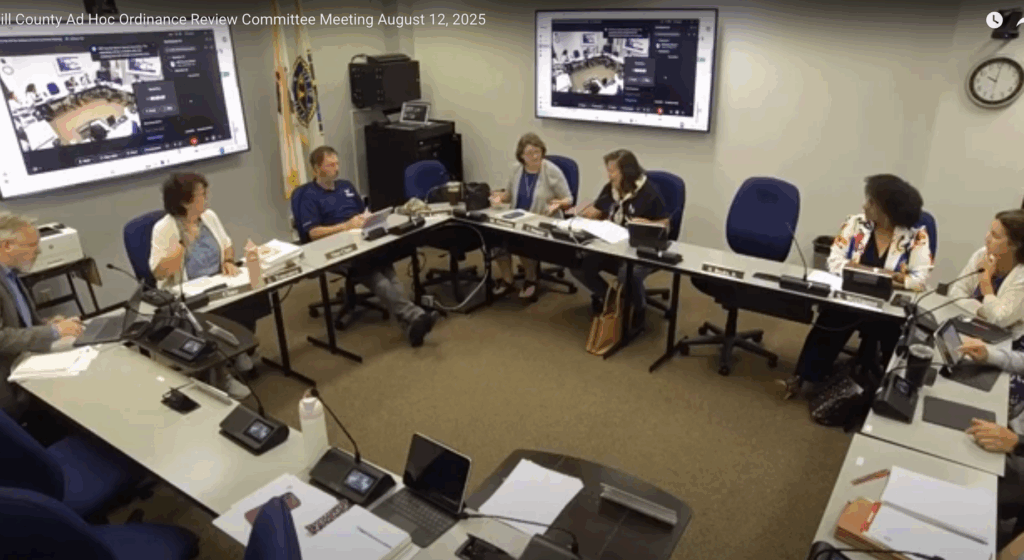
Water Well, Waste Hauler Ordinances Updated by Will County Committee

Beecher to Draft Ordinances Regulating Scooters and Fishing in Village Ponds
Beecher’s National Night Out Draws Large Crowd to New Police Station

Meeting Summary and Briefs: Village of Beecher Board of Trustees for July 28 & August 11, 2025
Finance Committee: Beecher Schools Project Balanced Budget, Earmark Funds for Major Projects
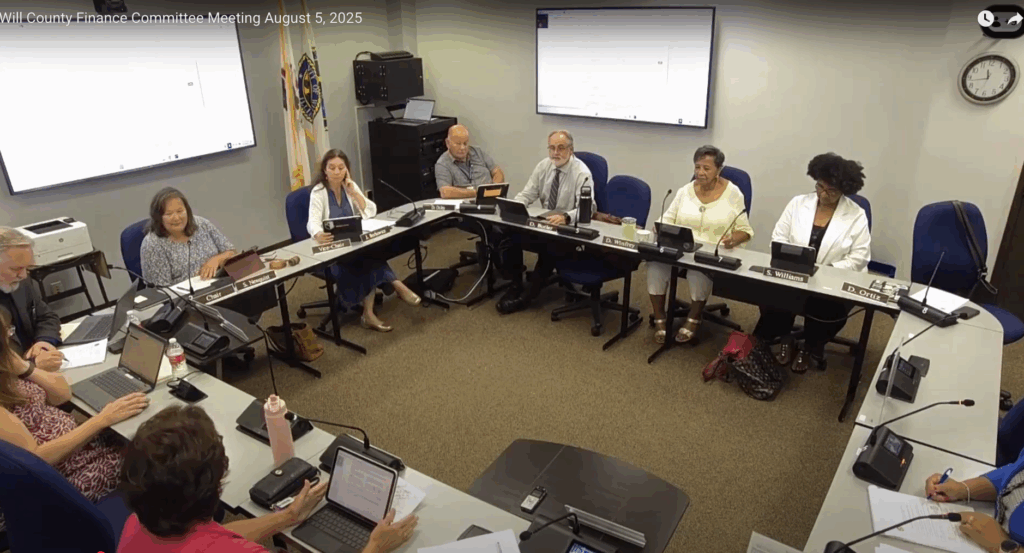
Will County Health Department Seeks $1 Million to Avert ‘Drastic’ Service Cuts from Expiring Grants
Will County’s “First-in-Nation” Veterans Center to House Workforce Services, Sparking Debate
Improved Vendor Service Creates $1.2 Million Shortfall in Sheriff’s Medical Budget
Will County Public Works Committee Unveils 25-Year Transportation Plan, Projects $258 Million Gap
Will County Animal Protection Services Seeks New Facility Amid “Gaping Wound” of Space Crisis
Board Confronts Animal Services Crowding, Explores Future Facility Options
Will County Board Members Demand Transparency in Cannabis Tax Fund Allocation
Homer Glenn Residents Push Back on 143rd Street Widening as Officials Signal “Tentative Agreement”