U.S. farm bill drops, outlines 5-year funding
The U.S. House Agriculture Committee dropped the text of the U.S. farm bill Friday, an 802-page package authorizing various nutrition, rural development and farm support programs.
The Farm, Food, and National Security Act of 2026 renews and enhances crop insurance and price support, disaster assistance, risk management programs, operation and marketing loans, and federal agricultural research.
It also outlines investments in rural broadband connectivity, forest management, water infrastructure, and hospital assistance, as well as the Rural Energy for America Program (REAP).
Committee Chair Glenn Thompson, R-Pa., called the bill, still in draft form, “long overdue” and said the committee will begin marking it up Feb. 23.
“This bill provides modern policies for modern challenges and is shaped by years of listening to the needs of farmers, ranchers, and rural Americans,” Thompson said in a statement. “The farm bill affects our entire country, regardless of whether you live on a farm, and I look forward to seeing my colleagues in Congress work together to get this critical legislation across the finish line.”
Although Congress is supposed to pass a new farm bill every five years, the most recent farm bill passed in 2018. If passed, the newly introduced farm bill would last through fiscal year 2031.
Some Democratic lawmakers, however, have already come out against the bill. Provisions in the bill that many Democrats oppose include limiting federal investments into solar projects located on forest or prime farmland, and loosening restrictions on PFAS chemicals and pesticides.
While the legislation also includes many bipartisan policies – such as establishing a new three-year rural childcare initiative – it “fails to meet the moment,” according to committee Ranking Member Angie Craig, D-Minn., said.
“Farmers need Congress to act swiftly to end inflationary tariffs, stabilize trade relationships, expand domestic market opportunities like year-round E15 and help lower input costs,” Craig argued. “The Republican majority instead chose to ignore Democratic priorities and focus on pushing a shell of a farm bill with poison pills that complicates if not derails chances of getting anything done.”






Mostly Sunny then Showers And Thunderstorms Likely
Latest News Stories
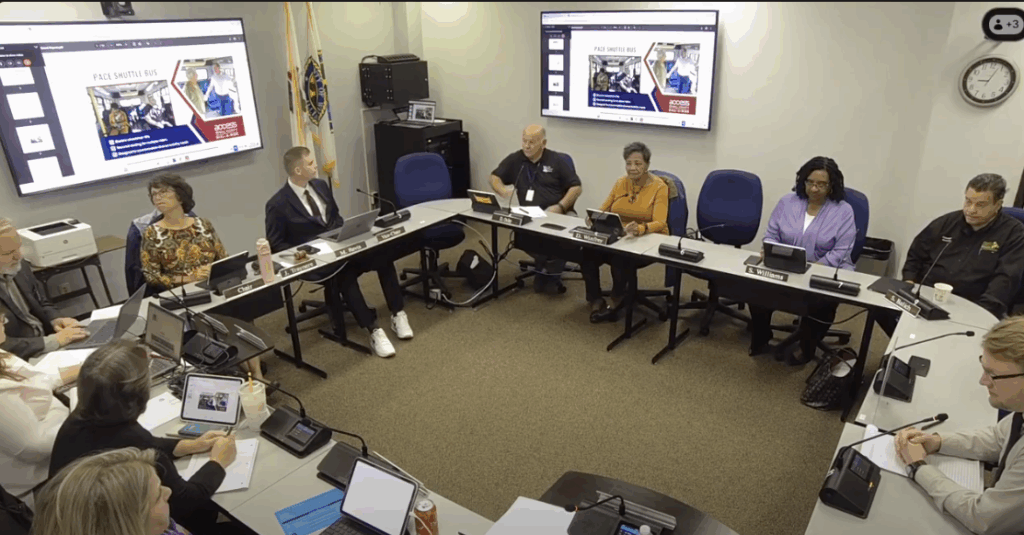
Access Will County Dial-a-Ride on Track for Full County-Wide Service in 2026
Will County Reverses Zoning on Peotone Farmland to Facilitate 10-Acre Sale
County Board Abates Over $25 Million in Property Taxes for Bond Payments
Divided Will County Board Authorizes Condemnation for 143rd Street Widening
Meeting Summary and Briefs: Will County Board for September 18, 2025
Will County Committee Approves Preliminary $161.6M Tax Levy on Split Vote Amid Heated Debate Over Spending
Will County Eyes Major Overhaul to Consolidate Scattered Government Offices
Sheriff’s Office Reports Crime Down 10%, Cites Body Cam Footage as Main Challenge of Safety Act
Will County Considers Moving Land Use Public Hearings Away from Full Board Meetings

Meeting Summary and Briefs: Beecher Fire Protection District for August 28, 2025

Beecher Fire District Pledges $2,000 to Local Emergency Management Agency

Beecher Fire District to Reduce Contracted Paramedic Staffing