U.S. farm bill drops, outlines 5-year funding
The U.S. House Agriculture Committee dropped the text of the U.S. farm bill Friday, an 802-page package authorizing various nutrition, rural development and farm support programs.
The Farm, Food, and National Security Act of 2026 renews and enhances crop insurance and price support, disaster assistance, risk management programs, operation and marketing loans, and federal agricultural research.
It also outlines investments in rural broadband connectivity, forest management, water infrastructure, and hospital assistance, as well as the Rural Energy for America Program (REAP).
Committee Chair Glenn Thompson, R-Pa., called the bill, still in draft form, “long overdue” and said the committee will begin marking it up Feb. 23.
“This bill provides modern policies for modern challenges and is shaped by years of listening to the needs of farmers, ranchers, and rural Americans,” Thompson said in a statement. “The farm bill affects our entire country, regardless of whether you live on a farm, and I look forward to seeing my colleagues in Congress work together to get this critical legislation across the finish line.”
Although Congress is supposed to pass a new farm bill every five years, the most recent farm bill passed in 2018. If passed, the newly introduced farm bill would last through fiscal year 2031.
Some Democratic lawmakers, however, have already come out against the bill. Provisions in the bill that many Democrats oppose include limiting federal investments into solar projects located on forest or prime farmland, and loosening restrictions on PFAS chemicals and pesticides.
While the legislation also includes many bipartisan policies – such as establishing a new three-year rural childcare initiative – it “fails to meet the moment,” according to committee Ranking Member Angie Craig, D-Minn., said.
“Farmers need Congress to act swiftly to end inflationary tariffs, stabilize trade relationships, expand domestic market opportunities like year-round E15 and help lower input costs,” Craig argued. “The Republican majority instead chose to ignore Democratic priorities and focus on pushing a shell of a farm bill with poison pills that complicates if not derails chances of getting anything done.”





Partly Sunny then Chance Showers And Thunderstorms
Latest News Stories
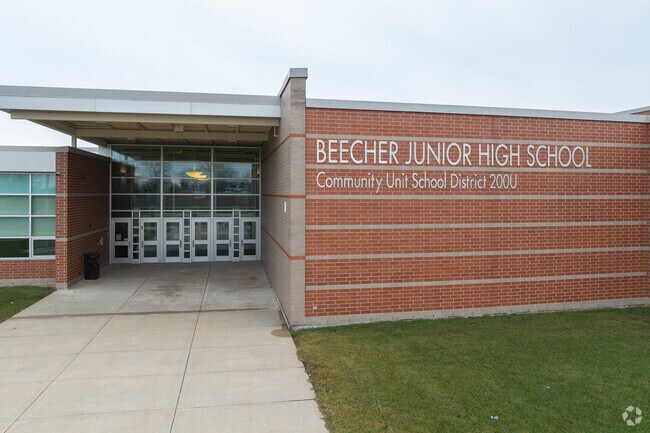
Beecher Junior High Considers New Electronic Sign Following Foundation Donation Pledge

Executive Committee Advances Sweeping Overhaul of Will County Business Regulations
Will County Closes Out $16.2 Million Federal Rental Assistance Program, Transitions to Local Funding

Meeting Summary and Briefs: Will County Planning and Zoning Commission for March 3, 2026

Will County Leaders Debate New Construction to Escape $1.2 Million in Leases
Opioid Settlement Grants Funnel Nearly $600,000 to Local Police and Community Programs
Meeting Summary and Briefs: Will County Finance Committee for March 3, 2026

Comptroller, state lawmaker call for federal tax credit scholarships

Beecher Pitching Trio Combines for One-Hitter, 15 Strikeouts in 5-1 Win Over Lisle

Norkus Tosses Three-Inning Perfect Game as Beecher Offense Explodes in 18-0 Win Over Joliet West

Imhof’s Hitless Relief and Lane’s Home Run Lift Beecher Baseball Past Chicago Christian 4-2
Beecher Varsity Softball Overcomes Early Deficit to Defeat Homewood-Flossmoor 7-5
Meeting Summary and Briefs: Beecher Board of Education for March 11, 2026

Meeting Summary and Briefs: Will County Board Ad-Hoc Ordinance Review Committee for March 10, 2026