Supreme Court declines to hear challenge to Illinois public transport gun ban
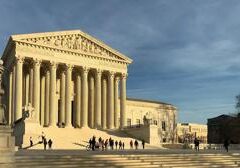
The U.S. Supreme Court on Monday declined to decide whether individuals can carry firearms on public transportation.
The court declined to take up Schoenthal v. Raoul, which challenges an Illinois law banning citizens from carrying firearms on public transportation. Three Illinois residents challenged the ban, arguing it violates the Second and Fourteenth Amendment rights.
“There is no historical tradition of banning law-abiding citizens from possessing firearms in crowded public locations where they may be more vulnerable,” lawyers wrote in a petition to the court.
Illinois requires gun owners to acquire a Firearm Owner’s Identification Card and a concealed carry license in order to carry a firearm in public. However, the state bans individuals from carrying a loaded or unsecured firearm onto buses, trains or any other type of public transportation that is paid for in part or whole by public funds.
Kwame Raoul, Illinois’ attorney general, argued the prohibition on guns in public transportation is consistent with the nation’s historical tradition limiting firearms in sensitive places, like court rooms, schools and polling places.
“Like historical sensitive places, public transit features ‘confined areas with a high density of people,’ making firearms ‘exceptionally dangerous,’” Raoul wrote.





Mostly Sunny then Showers And Thunderstorms Likely
Latest News Stories

World’s largest retailer struggles to keep costs down as tariffs hit
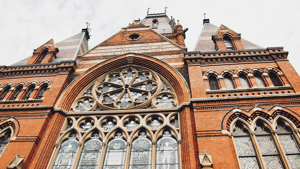
Boston judge orders Trump to give back Harvard funding

Arizona congressman backs bill protecting ICE agents

Northwestern president steps down amid federal funding cuts

Feds sue Southern California Edison over Eaton, Fairview fires

WATCH: Trump renames DOD to ‘Department of War’
Push to ban stock trading by Congress follows IL rep’s reported violations

Federal judge strikes down New Hampshire’s DEI ban

Illinois quick hits: Giannoulias orders village to stop sharing data with CBP

CA, Delaware attorneys general concerned about OpenAI
New York AG to appeal ruling tossing Trump’s $454M civil fraud penalty

Chevron petitons Supreme Court to move lawsuits to federal court

Business leaders eye immigration reform