U.S. Supreme Court agrees to hear veteran’s benefits challenge
The U.S. Supreme Court agreed on Monday to hear an Army veteran’s challenge over reduced disability benefits.
The court agreed to hear Johnson v. United States Congress, a case that centers around Floyd Johnson, an Army veteran whose disability benefits were reduced after he was convicted and incarcerated. Johnson originally had an 80% disability rating for post-traumatic stress disorder, but was reduced to 10% due to his conviction and incarceration.
Johnson filed a lawsuit against the U.S. Congress, arguing the law that reduced his benefits violated the equal protection component of the Fifth Amendment. Lower courts denied Johnson’s lawsuit against Congress.
The lower court judges said Johnson’s claims should be adjudicated in the traditional administrative process provided by the Veteran’s Judicial Review Act, which provides exclusive review for benefit’s challenges.
“Congress has not waived sovereign immunity for constitutional challenges,” the Florids District Court wrote. “So Johnson cannot sue Congress.”
Johnson argued that the traditional avenue to appeal certain claims lies within the court system. He said the traditional veteran’s review process cannot settle claims against the constitutionality of his case.
“This Court should leave in place the conventional process of constitutional adjudication, which begins in the district courts,” lawyers for Johnson wrote. “Cases that enter the [Veteran’s Judidical Review Act’s] administrative process may languish at nearly every stage, as veterans find themselves ‘trapped for years in a bureaucratic labyrinth, plagued by delays and inaction.'”
The U.S. Supreme Court will likely hear arguments in Johnson v. United States Congress in the fall. The high court is be expected to issue a decision by June 2027.





Partly Sunny then Chance Showers And Thunderstorms
Latest News Stories

Meeting Summary and Briefs: Will County Board Legislative Committee for January 6, 2026
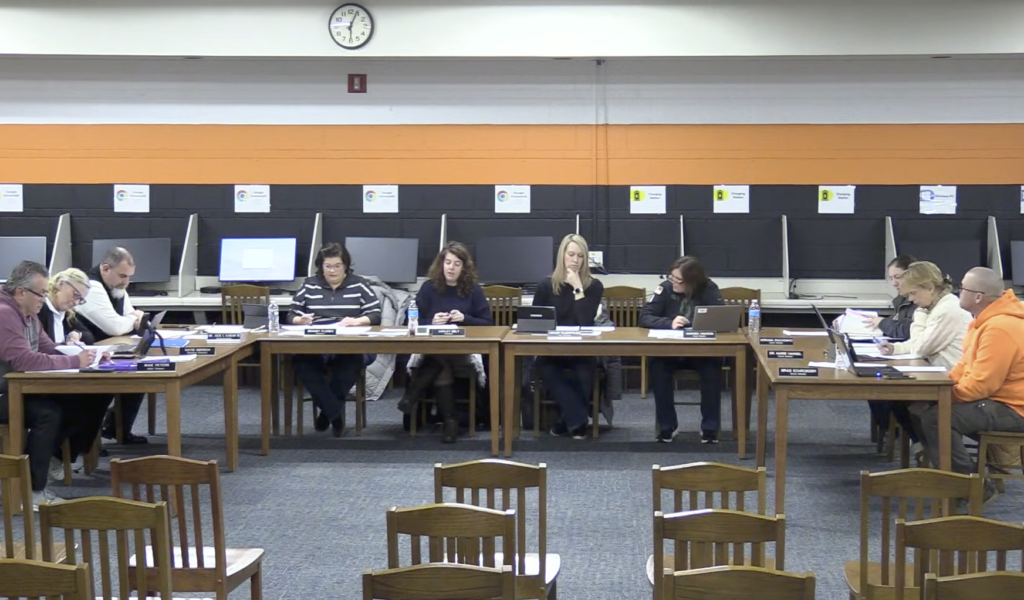
Beecher School Board Approves $283,000 Elementary Window Project and New Bus

Firms team up with states to scrutinize health care spending

St. Paul students marked absent after protests against ICE
Poll: Trump’s approval rating falls 16% in Arizona
SCOTUS to consider second election law case

Medical device manufacturer invests $110M to expand Nebraska plant, boost drug supply
WATCH: U.S.ambassadors stress Greenland’s importance

Chicago council considers ‘not a tax’ surcharge on hotels

Govt. funding process advances as three more bills to become law; six remain
Bankers push back on Trump’s plan to reduce swipe fees, cap interest rates

State lawmaker calls for hearings on banning Sharia law in Texas