Congressional progressives introduce $25 federal minimum wage plan
Progressive lawmakers in Washington D.C. introduced legislationTuesday that would increase he federal minimum wage to $25 per hour.
The proposal – put forward by of Illinois members of Congress – could have severe impacts on businesses across the country, according to critics.
U.S. Reps. Delia Ramirez, D-IL, Chuy Garcia, D-IL, and Analilia Mejia, D-NJ, introduced legislation, known as the ‘Living Wage for All Act.’ They gathered with support from a coalition of Democrat lawmakers, union leaders and other national organizations, brought together by One Fair Wage, an organization making the push for an increase.
The federal minimum wage currently stands at $7.25 per hour, which lawmakers noted has not changed since 2009. Ramirez was a co-lead on the 2019 state-wide wage increase, which brought it to $15 per hour, which she said has given her insight when making the federal proposal.
The legislation in Congress comes as state Senate Bill 3033 – which would increase the state minimum wage to $27 per hour – recently had its deadline to pass through committee extended through mid-May.
Saru Jayaraman, president of One Fair Wage, said she hopes the Illinois proposal will progress.
Of her time working on the Illinois wage raise in the state legislature, Ramirez said one of the biggest issues was ensuring the increase wouldn’t impact small businesses disproportionately.
Noah Finley, National Federation of Independent Business Illinois state director, has argued both the previous increase and new proposal would be harmful to businesses across the state.
“Our members here in Illinois, they’ve been really struggling with the $15 an hour minimum wage in the state. That has been a huge burden for them,” Finley said. “They’ve had to cut back on employees. They’ve had to raise their prices. So, this is bad for workers, it’s bad for consumers and it’s bad for small businesses.”
An NFIB survey of business owners found many would not be able to withstand a jump in labor costs from an increase in state minimum wages.
Ramirez said the lawmakers included language in the bill to reduce impacts for small businesses across the country by phasing in the increase.
“Those large employers would reach $25 by 2031, while the smaller employers would more gradually reach it by 2038,” Ramirez said
Illinois House Republican Leader Tony McCombie, R-Savanna, said a federal increase isn’t a good idea and it isn’t likely to happen under the current administration.
“Most of the people that are, especially in rural Illinois, that are out using the services and the goods are senior citizens and between property taxes and energy costs, the sky rocketing cost of healthcare, they can’t afford one more thing,” McCombie said.
Reps. Ro Khanna, D-CA, Rashida Tlaib, D-MI, and Greg Casar, D-TX, all said rising costs of living as a reason they think the wage needs to be increased. Tlaib took the blame one step further, saying capitalism as a whole is at fault for increased cost of living.



Mostly Sunny then Showers And Thunderstorms Likely
Latest News Stories
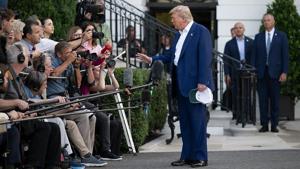
Trump: Iranian regime ‘disjointed’, won’t indicate if further strikes are coming

House Farm Bill includes new seafood office, shrimp trade study
Arizona congressman seeks to protect sex abuse victims
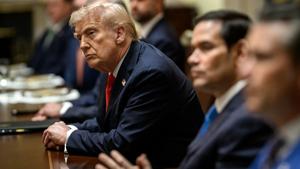
Trump threatens 25% tariff on EU cars and trucks
Trump ends tariffs on Scotch whisky after King Charles visit
Civil rights complaints filed over race-based healthcare scholarships
Candidates clamor for Carter’s open seat

Illinois Quick Hits: Civic federation funds ‘persistent structural imbalance’ in Illinois

Millions Approved for Will County Highway and Road Infrastructure Projects

U.S. House OKs Fetterman bill allowing SNAP to cover hot rotisserie chicken

Gas hits $6 a gallon in California; Southwest see increases

Teacher unions spent over $1B on political causes since 2015

Illinoisans may soon need registration, title, license to use e-bikes, scooters