ISU’s union says it cheaper to negotiate than paying
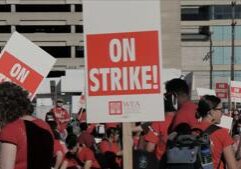
(The Center Square) – Illinois State University support employees have entered their fourth week on strike this week as more state government officials have called on the school’s leadership to return to the negotiating table.
The American Federation of State, County and Municipal Employees Local 1110 union began their strike after negotiations with ISU fell through. The workers’ previous contract expired at the end of June last year.
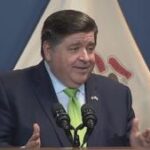
Gov. J.B. Pritzker commented on the strike for the first time Tuesday.
“I don’t believe in strike breakers. I know that that’s being litigated right now,” Pritzker said. “ISU’s management leadership should be at the bargaining table. That’s what should happen. It needs to happen ASAP.”
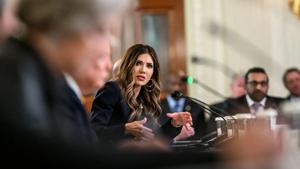
State senators grilled ISU President Dr. Aondover Tarhule in a hearing regarding his institution’s budget request for the coming fiscal year, which features a significant increase from current year funding.
Lawmakers said they were skeptical about the request as the university is currently accused of not fairly negotiating with union workers and filling stricken jobs with higher-paid temporary workers – with the university facing a pending legal dispute on the latter.
“If you say, ‘are we paying the people that are working for us higher than what we would pay normal workers regularly?’ Yes,” Tarhule said.
Sen. Lakesia Collins, D-Chicago, said Tarhule’s statements were an admission that the university is engaging in strikebreaking, a Class-A misdemeanor under the Illinois Employment of Strikebreakers Act.
Sen. Michael Halpin, D-Rock Island, also did not have much trust in Tarhule during the meeting.
“You’re trying to justify short-term pain or difficulty for long-term success and stability. I get that argument. It is difficult to accept given some of the actions that the university has taken,” Halpin said.
The union announced Wednesday they had obtained contracts between the university and third-party vendors fulfilling duties during the strike through a records request. The contracts – some created before the strike began – total over $150,000.
The contracts reveal that ISU is paying well above the previous or requested increase in pay for union workers, with each temporary worker $38 per hour for janitorial services, $50 per hour for an additional cleaning service, and $175 per hour for landscaping services.
ISU building service worker and President of the campus union Chuck Carver said he wants lawmakers to consider how the university may use – or misuse – the money in their budget request.
“Many of us are paid less than $17 an hour, less than a living wage for a single adult. We have had no pay increases in almost two years, and now the university is demanding what is effectively a loss of pay due to inflation,” Carver said.
Tarhule defended the high price tag for the temporary staffing, arguing it would cost less in the short term if it meant the university got a more favorable agreement with the union in the long term.
Lawmakers once again urged Tarhule and other university higher-ups to get back to negotiations with the union, instead of holding out.
“When you refuse to go to the table and negotiate, then you’re not being in good faith. And all I’m asking is that you’re being good faith,” Collins said.


Partly Sunny then Slight Chance Showers And Thunderstorms
Latest News Stories
Trump orders new mediation for New York rail contract dispute
U.S. House passes two more govt funding bills, sending to Senate

Governors seek delay on sharing cost of food stamp errors
Supreme Court ruling allows Bost to challenge Illinois election law

Illinois quick hits: Illinois auto insurance rates dropping
SCOTUS rules on warrantless searches, double convictions and election suits

WATCH: WA Democrats criticize reporter probes into potential daycare fraud
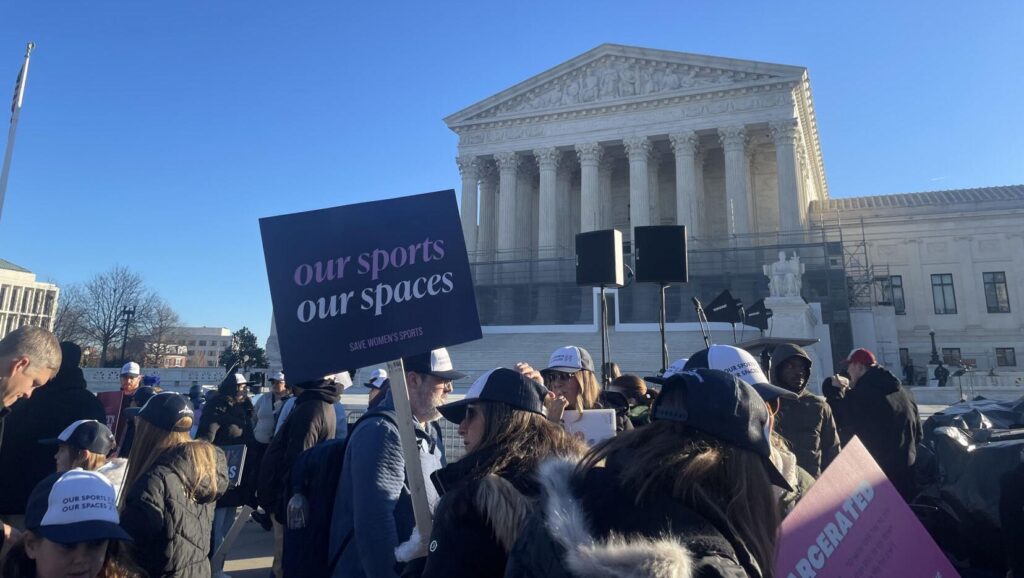
Title IX central to transgender sports cases, advocates say
WATCH: Legislator raises red flag over Illinois tax funds for group encouraging ICE protests

Bill filed to address loss of homes, equity over property tax debt
Arizona senator optimistic after U.S. Supreme Court debate

Documentary shows cost of personal injury lawsuit abuse