
Social Security’s trust funds: asset, accounting tool or debt?
While many policy experts agree Social Security faces long-term financing challenges, they often disagree on a core part of the program’s funding, as discussed by tax and budget analysts Wednesday at the Cato Institute.
The institute hosted analysts from the Urban-Brookings Tax Policy Center to discuss the program’s “structural flaws,” as well as potential reforms that could prevent the program from worsening the debt crisis.
Social Security is designed to function as a pay-as-you-go system, meaning the government uses Social Security taxes from working individuals to pay for the benefits the program provides to seniors and the disabled. But when a greater portion of the population is of retirement age and there aren’t enough workers to support the program’s benefits – as is now the case – the government has to tap into the reserves held in the program’s trust fund.
A recent report from the Congressional Budget Office projects that trust fund will be depleted by 2032.
But according to literature from the Cato Institute, the trust fund is “a political construct” rather than a “true repository of savings or investments,” and the Brookings Institution’s Jessica Riedl elaborated on that point Wednesday.
“The trust fund is not a traditional savings fund with money available to pay benefits,” Riedl said.
Instead, when the program runs a surplus — as it did from 1983 to 2009 by collecting more in payroll taxes than it paid out in benefits — those excess revenues must be invested in Treasury securities, according to the law. The Treasury can then use those funds to finance other government activities, as it did with the roughly $3 trillion accumulated by the trust fund over that 26-year period, while the trust fund retains the Treasury bonds as assets.
The Center on Budget and Policy Priorities spoke to the reliability of these bonds in a piece published to its website in 2025.
“The trust funds are invested in Treasury securities that are just as sound as all other U.S. government securities, held by investors around the globe and regarded as being among the world’s safest investments,” the center wrote. “Like the Treasury bills, notes, and bonds purchased by private investors around the world, the Treasury securities that the trust funds hold are backed by the full faith and credit of the U.S. government. The U.S. government has never defaulted on its obligations, and investors consider U.S. government securities one of the world’s safest investments.”
However, while Treasury bonds are viewed as one of the most reliable forms of investment, they are still a form of debt, which is why some analysts, like Riedl, describe the trust fund as “essentially an accounting mechanism.”
“Yes, it has some special government bonds in it, but the federal government is both the creditor in Social Security and the debtor in Treasury of these bonds, so it’s really like writing an IOU to yourself,” Riedl said. “It’s not a real asset you can use.”
Yhough they disagree in how they might characterize the Social Security trust fund, both the analysts at the Cato Institute and those at the Center on Budget and Policy Priorities agree that the program will continue to face a shortfall if no changes are made.
“Acting sooner to address the shortfall — whether by increasing Social Security’s income, reducing its benefits, or some combination of the two — would spread the burden over more generations of workers and beneficiaries and allow for smaller future adjustments,” the CBPP wrote.
Wednesday’s event included discussions of transitioning to a flat benefit that alleviates senior poverty, aligning eligibility ages to account for longer life expectancies, and requiring more frequent congressional review of the program’s finances.






Chance Showers And Thunderstorms
Latest News Stories
Leglislative Committee Meeting Briefs
Speed Limits Reduced on Two Township Roads
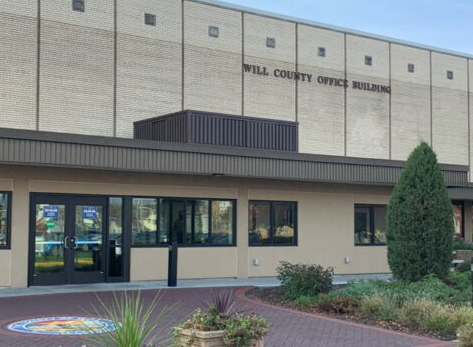
Will County Finance Committee Approves Juvenile Detention Center Upgrades
Major Grade Separation Projects Advance with Engineering Contracts

County Authorizes Condemnation for Francis Road Project
Solar Farm Access Approved for Manhattan-Arsenal Road
Will County Finance Committee Meeting Briefs
Public Works Committee Briefs
Capital Improvements & IT Committee Briefs

Washington Township Approves $13,260 Security Overhaul, Opts for Local Vendor with 24/7 Service

Washington Township Board Appoints Teresa Peterson to Fill Vacancy
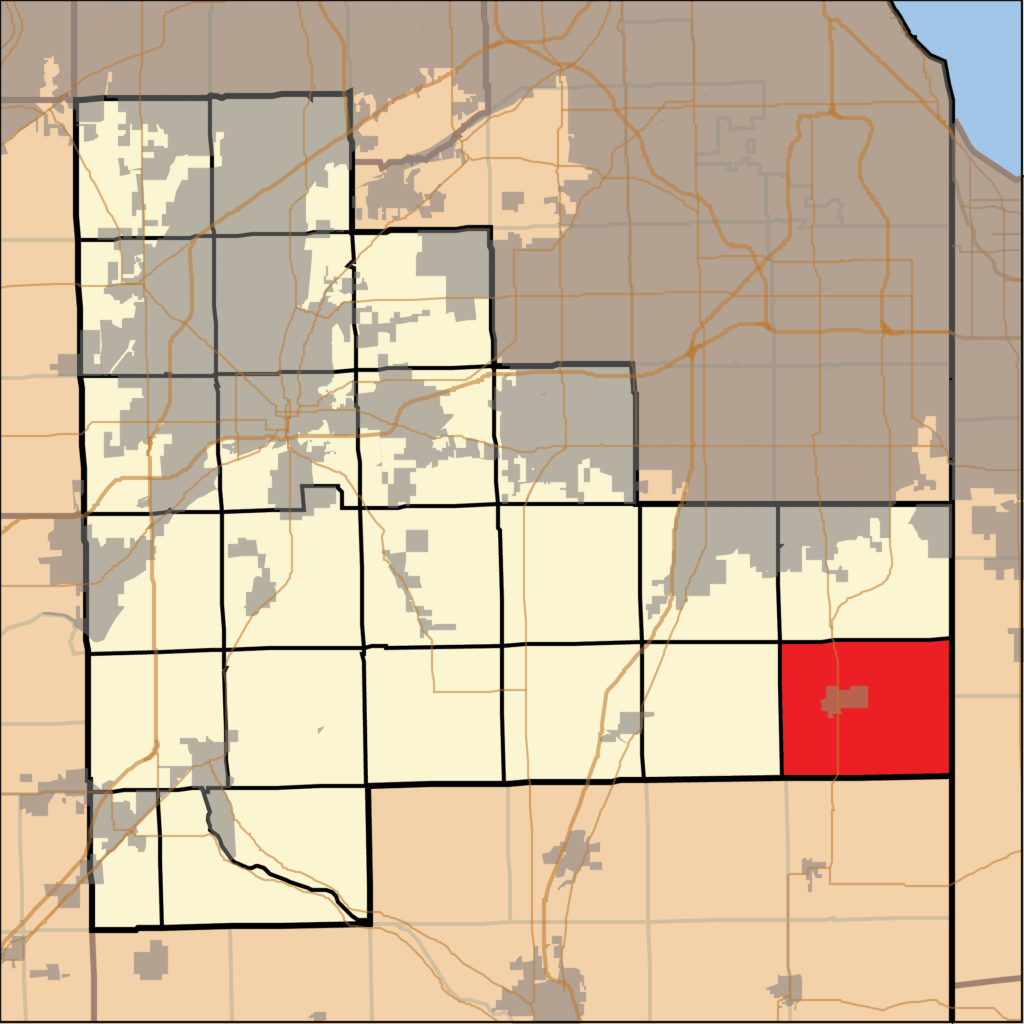
Washington Township Board Passes 2025-2026 Town Budget