Analysis finds short-term stability, lack of long-term growth in state budget
(The Center Square) – New analysis of the proposed Illinois budget for the coming year revealed the spending plan to be middling, with a short term balance that doesn’t fully address some fiscal concerns for the long term.
The non-partisan research organization Civic Federation released a series of reports on the Gov. JB Pritzker’s proposed budget for 2027, which found it would provide the state’s books with near-term balance, but fails to address structural threats in the long-term.
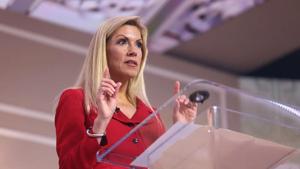
Paula Worthington, senior policy advisor for the Civic Federation, produced a report on the long-term effects of the proposed state tax and spending plan.
Based on current income tax rates, the state is on track to continue seeing tighter and tighter budgets yearly, according to Worthington.
The analysis considered four main factors; structural stability, fiscal resiliency, state pensions, and growth of the Illinois economy.
“What I found is that core tax revenues, which are really what we rely on to pay for our non-Medicaid spending – or our core spending – really had grown pretty solidly over 10 years. In fact, they grew faster than our core spending,” Worthington said.
The researcher said considering revenue growth from the state income tax hike imposed in 2018 led her to the realization that trend may not continue.
Without additional policies to structurally grow the state’s tax base, the rate of spending may outpace the state’s income long-term, according to the findings.
“In fairness, I think that the budget proposal was not intended to take a big swing at this issue. I’m just reinforcing that that seems to be the case,” Worthington said.
To address the long-term issues the state faces, there are different approaches lawmakers can take. One solution is to reign in spending on initiatives not core to the function of the state, and bringing more legislative focus to economic growth and development, according to Worthington.
Another possible path forward is to again increase the tax base significantly by making changes to the core state taxes, like the 2018 increase.
“Our job growth has been relatively weak compared to some other states. So, growing the tax base, you could tax the tax base harder, and that’s what some of these proposals are about,” Worthington said.
She also noted the state’s rainy day fund has grown over the last decade, but hasn’t reached recommended levels to support the state through a major economic downturn.
Non-core taxes like recreational cannabis and motor-fuel taxes have provided patch-work solutions to funding gaps in the state budget, according to the findings.
Worthington said the state would need to structurally change the tax structure in order to continue the trend of increased state spending long-term.
Just three weeks remain until lawmakers will likely finalize a budget for the coming year, with legislators continuing to weigh and debate what they want to prioritize in recent days.



Mostly Sunny then Showers And Thunderstorms Likely
Latest News Stories

Fitzpatrick says pro-union bill dealing with contracts will pass U.S. House

Feds investigate LA schools for sexual misconduct allegations

Advocates criticize bipartisan housing bill
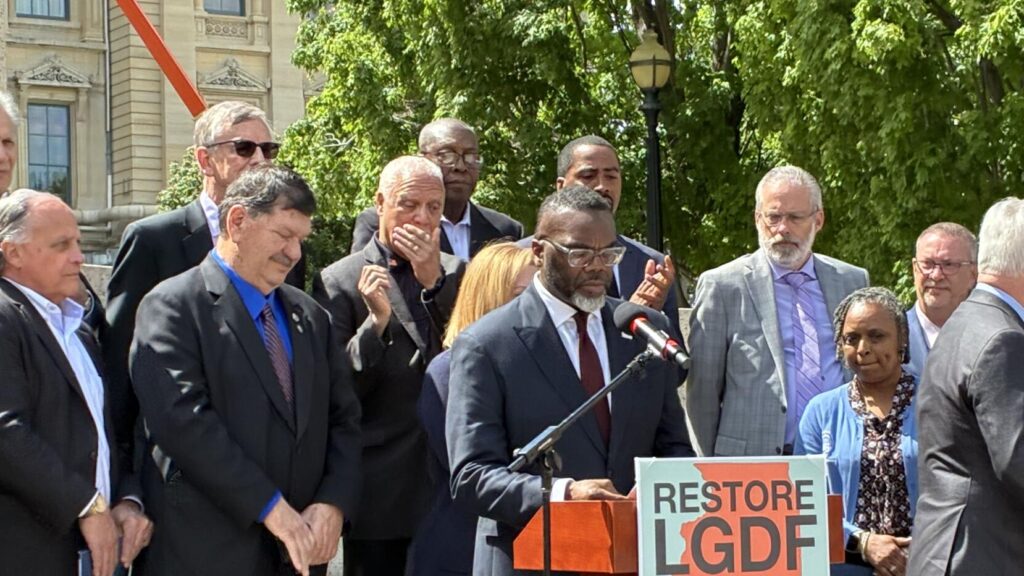
Johnson, municipal leaders statewide clash with Pritzker over local funding cuts

WATCH: Report: Washington high schools rank near bottom in personal finance literacy
Citizen Voting Amendment may avoid partisan SAVE Act pitfalls
Democrats ‘Red to Blue’ targets 18 seats in 12 states in November

Illinois bill would force employers to pay employees regular wages for jury duty

VA suicide screening doubles after watchdog found mass failures

Trump says Iran agrees to no nuclear weapon, claims deal is close

Late-Inning Surge and Dominant Relief Lift Beecher Past Bloom 12-5

Democrats call on Lutnick to resign over Epstein ties